Right away we noticed how MOBTORS One Piece Jumpsuit — the ultra‑loose, wide‑leg, long‑sleeve version — drapes more like a living fabric than a rigid shape. The material feels matte and slightly ample: not heavy enough to weigh us down,but with enough body that the legs fall in soft,clean folds as we walk. The shoulder seams settled without tugging,the round neck lay flat against our collarbones,and as we sat the fabric gathered into gentle creases across the thighs and eased into a small pool around the ankles. Slipping it on felt effortless; a faint give in the weave lets it follow movement so that the visual weight shifts quietly with each step. Overall our first moments with it were defined by how the cloth met the body and gravity, revealing the jumpsuit’s character in motion rather than in a still frame.
How we first took in the long sleeve round neck silhouette and proportions
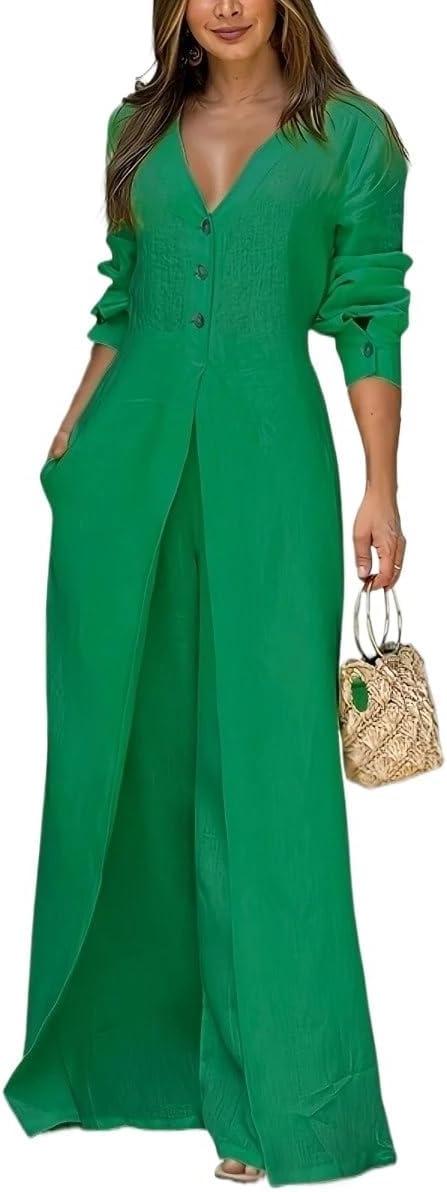
When we first stepped into it, the round neck settled quietly at the base of the throat, neither plunging nor choking—an even, horizontal plane that immediately set the upper silhouette. The long sleeves extended to the wrist and, with our arms at rest, created a gentle line down from the shoulder; when we bent an elbow they gathered subtly at the forearm, prompting the reflex to smooth them back into place. The shoulder seam landed where our own shoulder curve met the arm, which made the top read as a continuous block rather than a series of fitted panels.
Below that, the body fell into a broad vertical rhythm: the torso length felt measured, and the legs opened into a wide sweep that moved as a single expanse of fabric. As we walked the proportions played out in real time — the hem traced arcs, the legs swung with a slow, roomy cadence, and the upper section maintained it’s quieter, more contained presence. we found ourselves habitually adjusting sleeves, easing the fabric at the hip, and shifting the shoulder line after reaching or leaning; thes small motions changed the silhouette in soft, noticeable ways, so that the initial, static impression evolved after a few minutes of ordinary movement.
what we noticed about the fabric, its weight, texture, and seam finishes
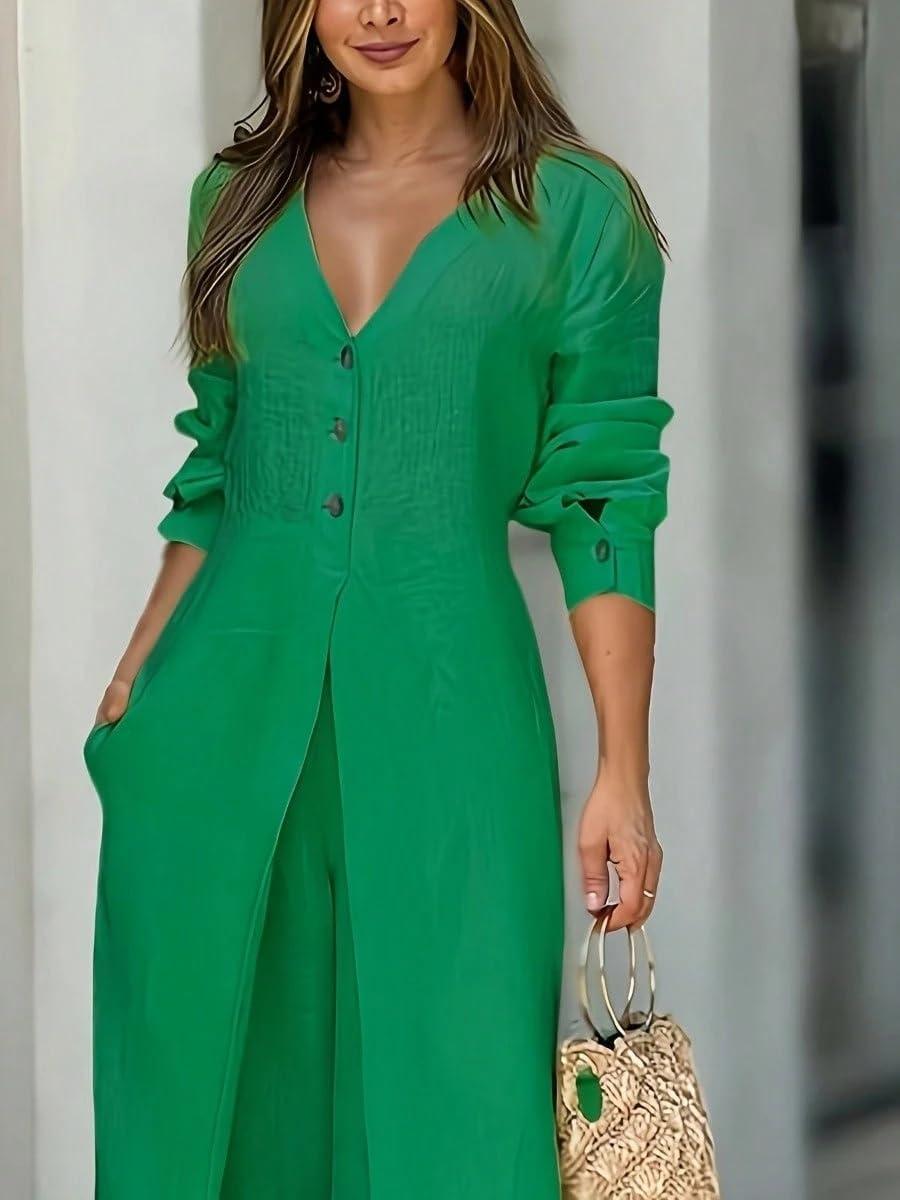
When we first slipped into the jumpsuit the fabric felt neither paper-thin nor heavily structured — a midweight that hangs with a soft, almost lazy drape. As we moved it swayed rather than bounced; the legs skimmed our calves and picked up a little weight at the hem when we walked briskly.Sitting down made the material gather in soft folds across the lap instead of clinging, and during longer wear the hand of the fabric seemed to relax a touch, losing some initial crispness where we smoothed it with our palms.
Up close the surface reads matte and smooth under the fingertips, with a faint natural texture rather than a glossy finish. We noticed the stitching color blends into the fabric, and the main seams are finished with overlock stitching on the inside and narrow topstitching on the outside at the neckline and shoulder. Those topstitched seams mostly lie flat, though a curved seam at the crotch and a few stress points around the underarm can feel slightly raised when we shift or reach. Throughout wearing we found ourselves unconsciously smoothing the shoulder seams and shifting the fabric at the waistline; the seams tend to ease with motion, and small tension lines appear and then soften again as the jumpsuit settles back into place.
How the cut sits on our bodies and how the wide legs respond when we walk or sit
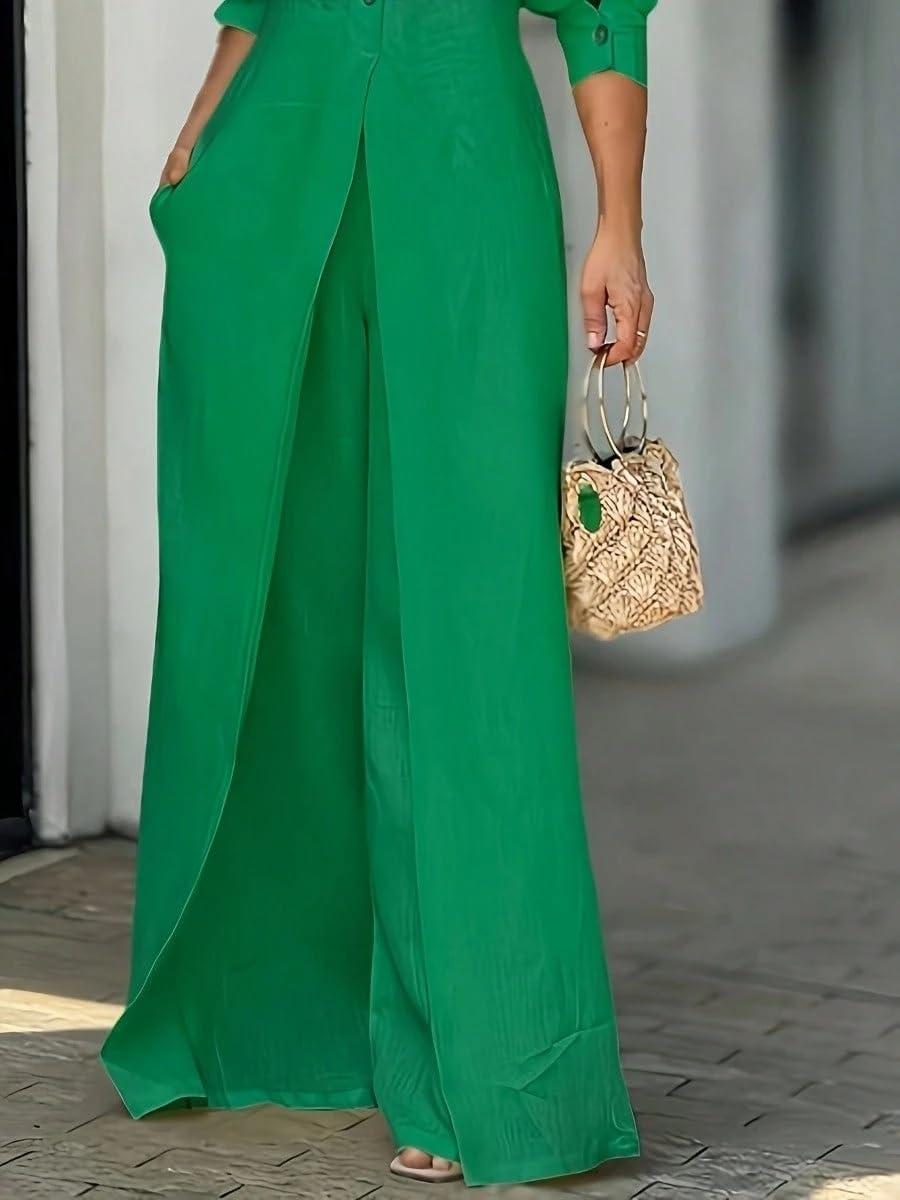
When we step into this jumpsuit the cut settles into place more by gravity than structure: the shoulder seams sit level with our natural shoulder line and the neckline lays flat without gaping, while the body of the garment skims over our ribcage before easing out at the hip. We find ourselves briefly smoothing the fabric at the torso and shifting seams so the fall feels even; those small habits make the silhouette look less static as the day goes on. Across a range of movements the torso rarely pulls tight, rather allowing a relaxed drape that preserves straight lines from chest to hip.
The wide legs change the most with motion. Walking produces a soft, rhythmic swing where the fabric opens slightly on each stride and then closes again—there’s a gentle swish at mid-calf that keeps the hem from sticking to our ankles. when we sit, the legs tend to spread outward and pool around the lower calves or knees depending on chair height; the result is a pronounced horizontal fold at the knee line until we stand and the legs drop back into their vertical fall. On busier walks we sometimes catch the hem against shoes or need a moment to reposition the legs after rising, which is a common behavior with vrey full pant openings.
the cut reads as unstructured in motion: it yields where the body moves and returns to a loose column when still. This tends to create moments of ease—soft billows while walking and broad rests of fabric when seated—rather than a constantly taut silhouette, and for some wearers that variability feels like part of the garment’s character.
View full specifications and size options
How it matches our expectations and the practical limits we encountered
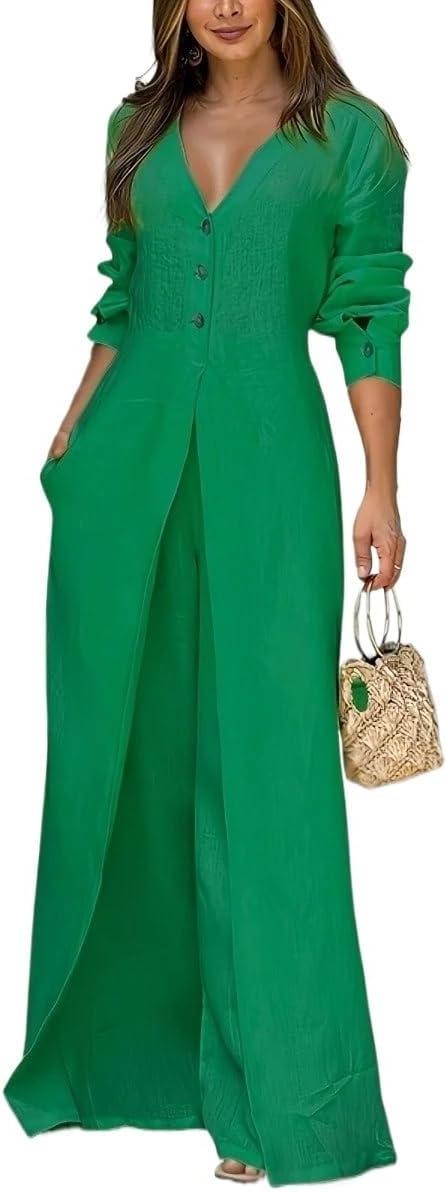
Over the course of several wears, we found the overall behavior of the garment aligned with what we anticipated in everyday situations. The body of the piece tends to fall away from the torso, so the drape becomes more apparent as we move from standing to sitting; pockets of fabric collect at the hips and across the thighs and prompt a few unconscious tugs or smoothing motions after prolonged sitting. The top area stays comfortably relaxed most of the time, even though lifting the arms or reaching forward frequently enough produces a brief hitching that we smooth down afterward. On brisk days the fabric billows slightly with each step, changing the silhouette in motion more than when paused.
Practical limits surfaced in familiar, situational ways. The hem length can skim footwear and picks up lint or dust when walking through crowded or outdoor spaces, and climbing steps or getting into vehicles sometimes causes the lower portions to shift and tug at the waistline; we found ourselves readjusting the seams or pulling the garment back into place. Creasing forms at predictable stress points — behind the knees and where the fabric folds at the hips — so the appearance relaxes over the day unless it’s periodically smoothed. The looseness that gives freedom to move also allows the fabric to catch on seat edges or narrow doorways on occasion, a trade-off that becomes obvious during more active moments.
View full specifications, sizes, and color options on the product page.
What unfolded across a day of commuting, sitting, and a gentle wash cycle
We carried the garment through a typical commute—standing on a crowded platform, squeezing into a train, and walking between stops—and found its silhouette moved rather than fought with us. The wide legs skimmed past other commuters and occasionally brushed the seat when we had to fold our legs in; when we reached for a handrail or a bag, we found ourselves smoothing the front and subtly tugging at the neckline out of habit. Seams shifted silently with each step, and the hem caught brief drafts at crosswalks, creating a soft ripple along the legs rather than a stiff flare.
When we sat for meetings and later for lunch, the fabric reorganized around the body: folds appeared across the lap and at the backs of the knees, and the torso area compressed into shallow, horizontal creases. the garment tends to settle into the posture we give it—if we lean forward, the front pulls up slightly; sitting back lets the legs pool a bit at the ankles. Small, unconscious adjustments returned periodically—smoothing a sleeve, shifting a seam at the hip—more from habit than necessity.In most cases the coverage and ease of motion remained intact even after prolonged sitting.
After the day we ran a gentle wash cycle. The piece came out with its shape largely intact; color and drape held up in our wash, and the most noticeable changes were minor wrinkles that relaxed once hung. There was little evidence of distortion along stress points, though collars and hems showed the usual need for a swift smoothing after laundering. These were the practical, day-to-day behaviors we observed from morning commute to post-wash reality—small trade-offs that appeared and smoothed out as the day progressed.
How It Wears Over Time
When we first unpacked the brand’s One Piece Jumpsuits for Women Long Sleeve Round Neck sleeveless Ultra-loose Wide-Leg Plus-Length Jumpsuit, it read like a new entry in the closet; over time it has eased into the quieter rhythm of our wardrobes. In daily wear we notice how the fabric softens and the way seams relax as it’s worn, little changes that show up in regular routines rather than in any sudden moment. It quietly takes its place among the things we pull on without thinking, present in mornings, errands and evenings in equal measure. Quietly,it settles into our rotation.
As an Amazon Associate I earn from qualifying purchases.