We spent an afternoon wearing the JazzyJewl “Elegant Mother of the Bride” satin jumpsuit to see how it behaved off the hanger. The satin has a cool, slightly substantial hand that smooths over the body and falls in long, quiet folds rather of holding a sharp shape. The shirt collar sits neatly without feeling stiff, and the half-sleeves with their bow detail skim the arm while the seams stay flat when we reach or fold our arms. Standing, walking, and then easing into a chair revealed a gentle visual weight—the fabric settles close enough to feel tailored but still swings softly at the legs—so our first impressions were all about texture, drape and how those small tensions showed up in motion.
When we first unpacked the shirt collar satin jumpsuit with half sleeves and bow accents
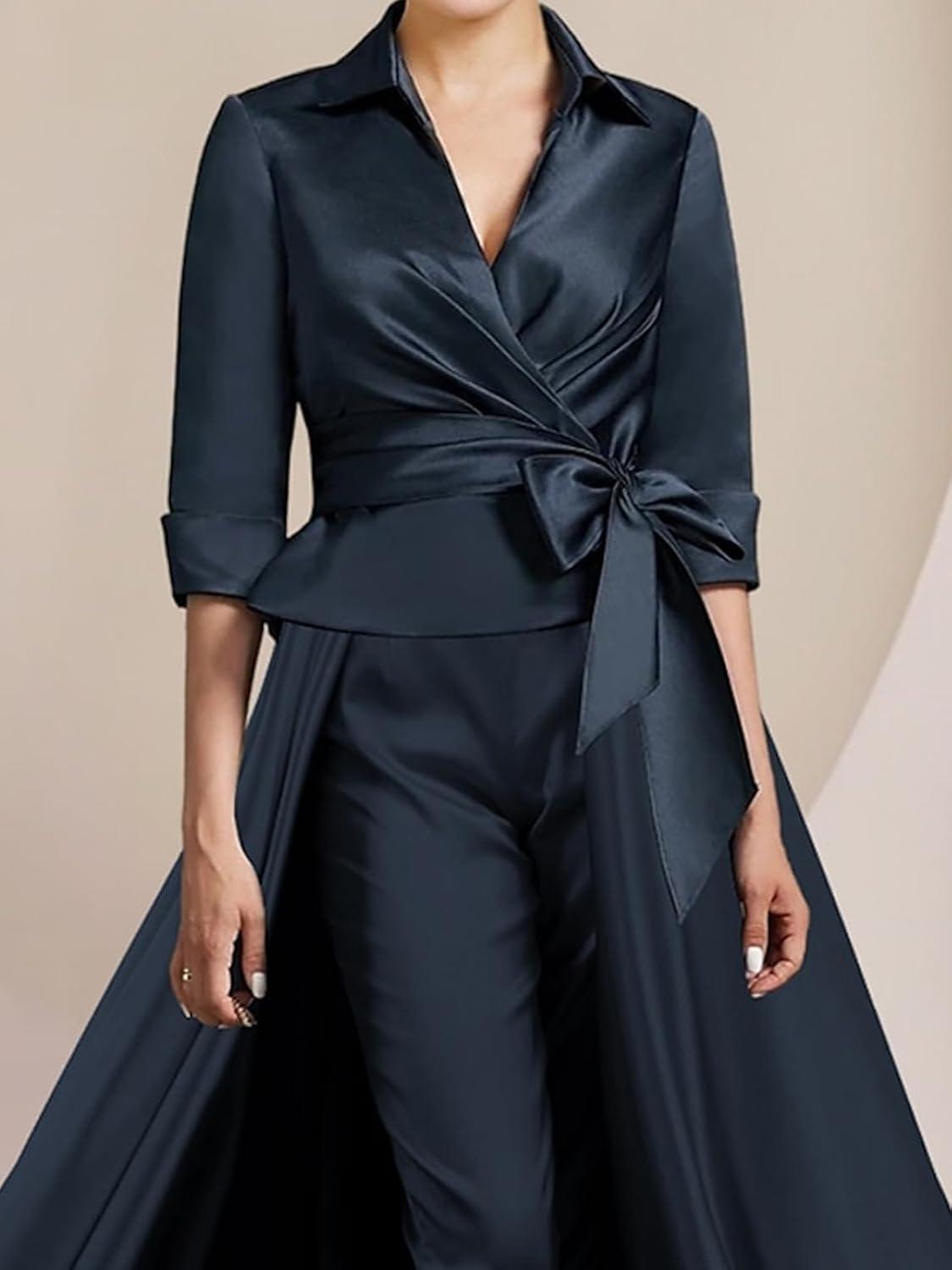
We opened the shipping box, eased away the tissue, and let the piece unfold in our hands; the satin caught the light in passing, a quiet sheen that made the folds more obvious than when it arrived flattened. The bows lay pressed against the fabric at first, so the first thing we did was gently tease them back into shape with our fingers while the collar still held the faint lines from folding. There was a soft, rustling sound as we lifted the garment off its hanger and the zipper glided up the back when we slid it on the first time.
Once on, our immediate movements were small and automatic — smoothing the collar, shifting a sleeve so the half-length sat where we expected, and patting the bows until they settled. The neckline settled against the throat as we adjusted the collar, and the sleeves relaxed into place after a couple of arm movements. Seams and darts softened with each little shift, and the bows regained their three-dimensional shape as we smoothed the fabric around them; we found ourselves re-tucking a stray tail or two and giving the jumpsuit a final once-over before moving on to the rest of the try-on.
What the satin, lining and trims feel like against our skin and how the sheen falls
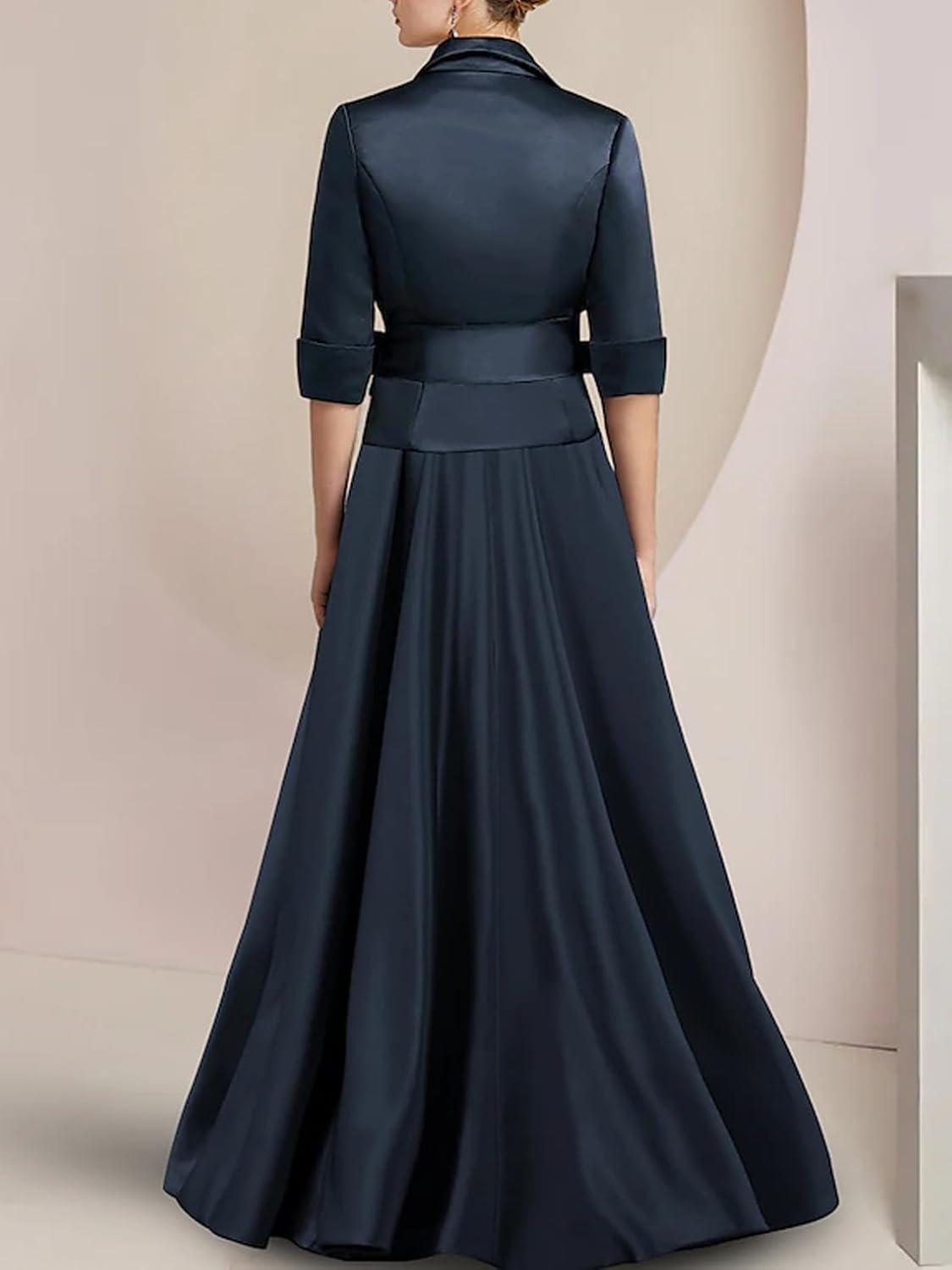
On first contact the outer fabric feels cool and very smooth against our skin, the kind of surface that slides under the palm when we smooth a lapel. The collar and facing are noticeably firmer where they’re finished, so the area around the neck reads as a crisper plane compared with the rest of the garment. Inside, the lining feels more muted and slightly cushioned — less slippery than the outer layer and more matte to the touch — which makes the jumpsuit shift against the body in a different way when we move. Small details such as the bow trimmings and sleeve hems add a bit of layered softness; the knot of a bow can be felt at the side when we reach back or adjust a sleeve, and the seams at the armhole occasionally press against the skin as the arm lifts.
The sheen of the fabric behaves like a moving highlight. When we stand still the surface gives a steady, even gloss that follows the lines of the torso and pant legs; when we turn or walk the shine slides across the panels, catching light on the high points and falling darker into creases and folds. In brighter light the finish reads more reflective and shows subtle banding where the material gathers; in softer indoor light the glow becomes more diffuse, lending onyl a faint luster. We find ourselves smoothing and repositioning small areas — an unconscious habit — as the way the sheen concentrates can make minor wrinkles or seams more visible for a moment before they settle again.
How the tailoring frames our shoulders,waist and legs and how the proportions move as we walk and sit
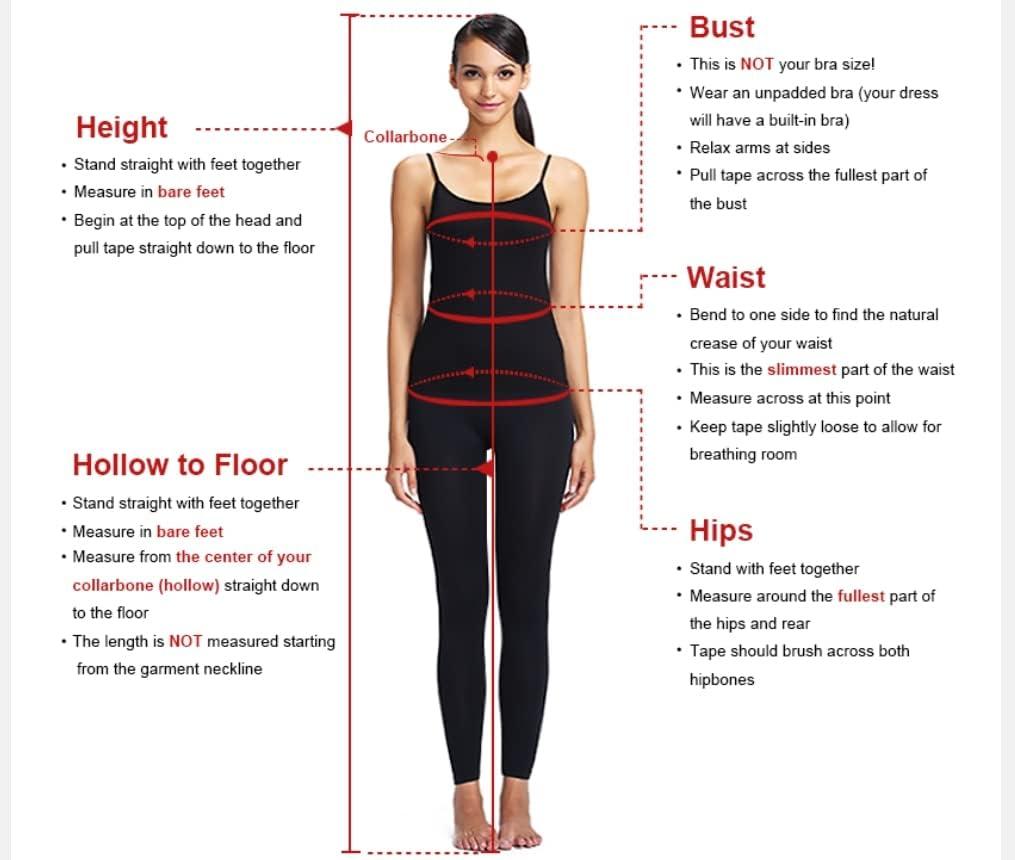
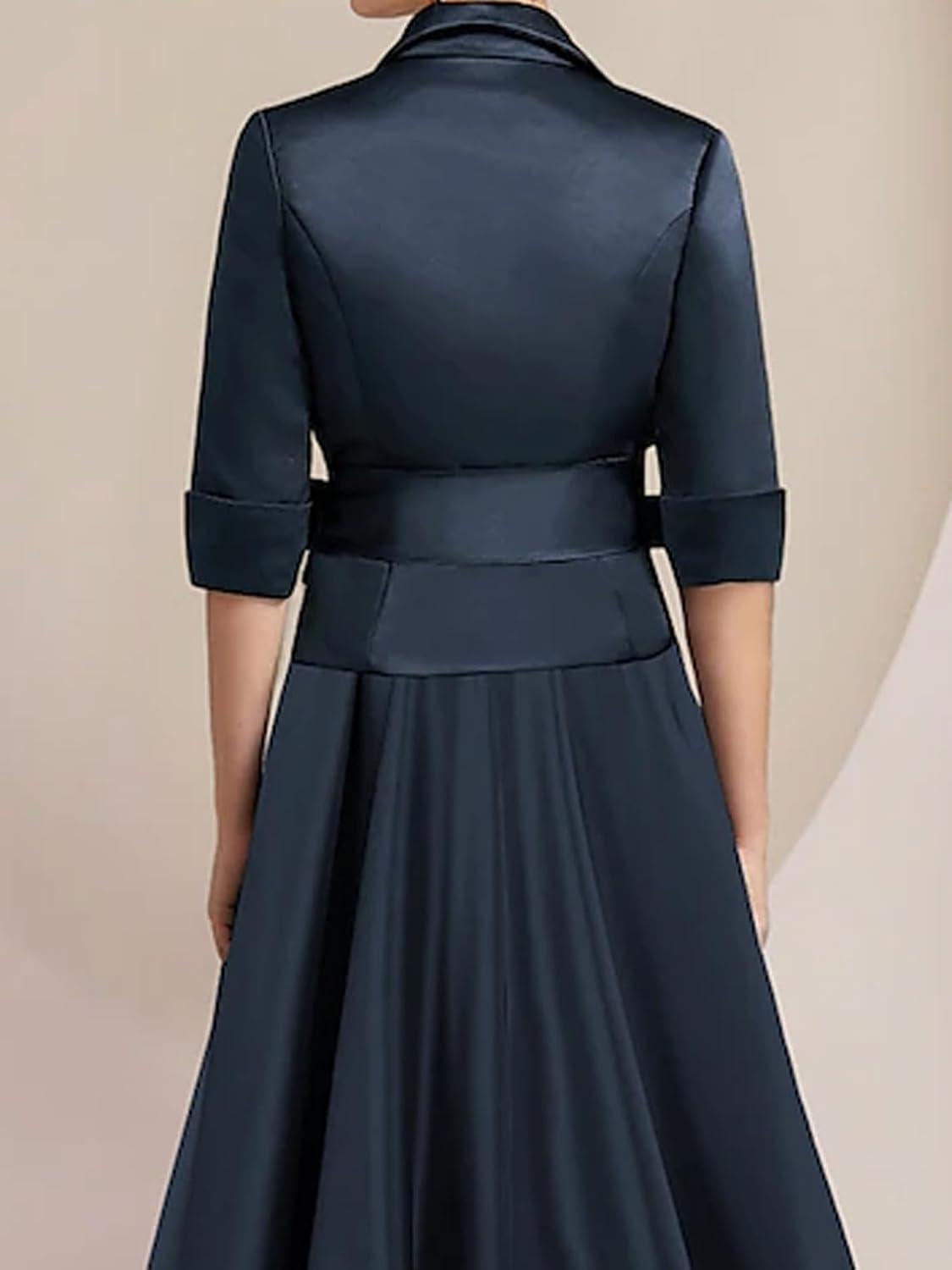
When we put it on the shoulder line reads instantly — the seam sits close to the outer edge of our shoulders and the shirt-collar frames the neck so that the upper body reads as a intentional horizontal plane. The half sleeves settle around the mid-bicep and, as we lift an arm or reach across a table, they tend to ride up a little and crease near the underarm; that movement nudges us to smooth the fabric back into place without thinking. As we walk,the collar and shoulder seams rotate with our torso: the lines remain steady from the front but the collar points and sleeve hems shift slightly with each step,catching light differently and changing how broad our shoulders appear from moment to moment.
The tailoring at the waist anchors the whole look and the bow detail sits where our torso narrows, creating a focal point that moves with us. On the move, the pant portion falls straight from that point; the legs part and close again with each stride, which momentarily elongates the leg line and then softens it as the fabric settles. When we sit, the waist compresses and the front fabric folds across the lap, shortening the perceived leg length and shifting the bow and seam lines forward — we find ourselves hitching the fabric or smoothing a seam to restore the vertical line. Vertical creases in the trousers hold the eye longer while walking, but they relax and spread when we remain seated, so the proportions feel different in transit than in repose.
How it matched our expectations and the practical limits we observed in real wedding scenarios
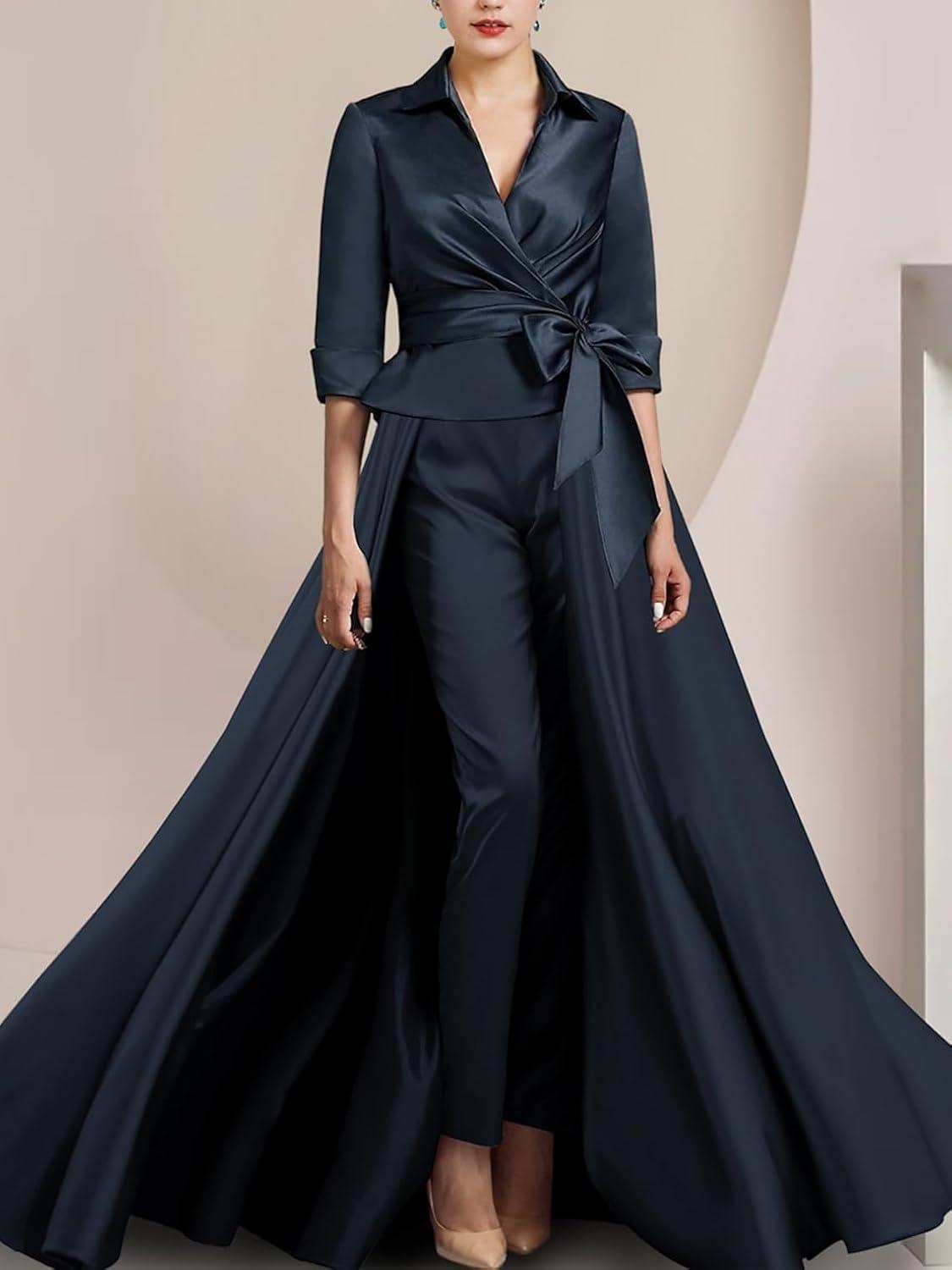
In live wedding settings the garment largely delivered the formal presence that was anticipated for ceremony photos and cocktail-hour portraits. Under warm indoor lighting the sheen read as elegant on camera, though it sometimes picked up highlights from flash and stage lights in ways that changed the perceived depth of the color over the evening. The shirt collar held its shape during standing and walking, while the bow—prominent at the start of the night—softened and lost some of its crispness after several hours, settling into a flatter silhouette that needed the occasional nudge to regain height.
Practical limits emerged in situations that required repeated motion or extended sitting. When seated for long stretches the front of the outfit tended to crease across the lap, and smoothing the fabric became a recurring, almost unconscious habit. the half sleeves shifted slightly with arm movement, leading to brief adjustments around elbow level during dancing and toasts.pant movement while on the dance floor showed typical constraints: strides remained unrestricted for most gestures, but energetic turns sometimes required a pause to reposition hems and seams so they stayed tidy under lights.
Over the course of an eight- to ten-hour wedding day, small maintenance moments were common—tugging at the collar, retying or reshaping the bow, and smoothing creases after sitting. Those behaviors tended to appear predictably at photo-heavy moments and after prolonged portions of the reception. In most cases the garment preserved its overall look with minor, situational upkeep rather than dramatic changes.
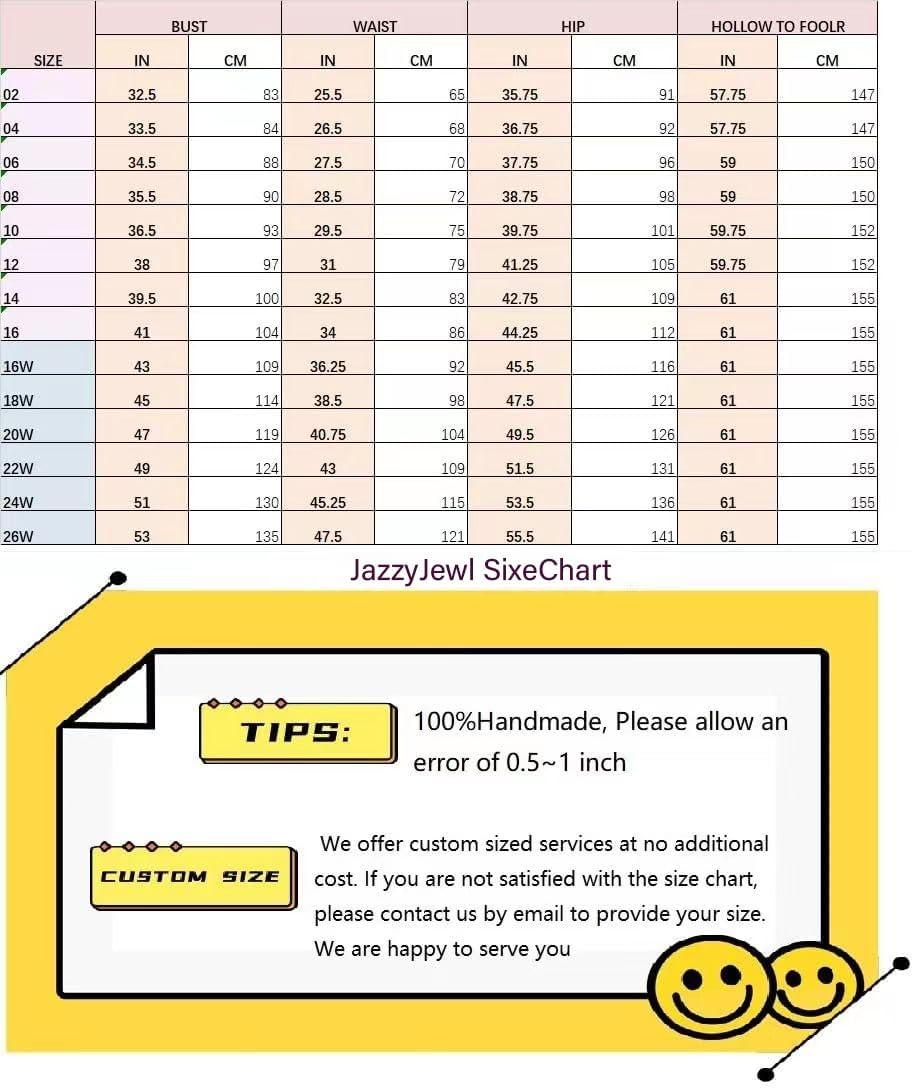
View full specifications, sizes, and color options on the product page
What happened to the fabric, creases and fastenings after a full day and how we handled packing and care
After a full day the satin showed the kind of quiet wear that happens with extended movement: faint horizontal lines where we sat and crossed our legs, a soft flattening of the sheen on the forearms and along the waistband from hands resting there, and shallow creases at the inside of the elbows from habitual arm bends. The half sleeves tended to ride up a little during the reception, so we found ourselves smoothing them down now and then; those small, frequent adjustments left tiny compression marks that relaxed within an hour or two but were still visible once the garment was at rest. The bow(s) lost a touch of crispness after dancing and hugging — edges that began structured looked slightly softer by the end of the evening,though they kept their general shape.
Fastenings behaved reasonably steadily over the course of the event. The zipper stayed closed and didn’t loosen on its own, though we noticed a brief snag at the very top the first time we zipped up after prolonged sitting; a gentle nudge with a finger released the fabric and the pull continued smoothly. The shirt collar held its position for most of the night, but we caught ourselves resettling it a few times after moving between crowded spaces. When it came to packing and care that night, we treated the piece as we would any delicate garment: we smoothed creases by hand, hung it on a wide hanger to let gravity ease the most obvious fold lines, and used a lightweight steam pass the following morning to reduce the remaining wrinkles. A shallow fold across the hips remained until a fuller steam, and a small spot at the hem required a targeted damp cloth touch before laundering. the wear pattern felt like a gradual softening rather than abrupt damage, and our post‑event handling focused on reversing those minor, time‑made impressions rather than aggressive treatments.
How the Piece Settles Into Rotation
We notice the label’s Jumpsuit Elegant mother of The Bride Dress Formal Wedding Guest shirt Collar Satin half Sleeve with Bow(s) 2024 softens in ways we don’t always name, and that familiarity grows over time. In daily wear its comfort behavior becomes more apparent — the fabric eases where we move, edges mellow, and small signs of aging read like notes of use rather than damage. As it’s worn in our regular routines it simply takes up a quiet, everyday presence among the things we reach for without thinking, folding into habit more than declaration. Over weeks it settles into our rotation.
As an Amazon Associate I earn from qualifying purchases.