The charm of cottage gardening lies in its relaxed and welcoming approach. Unlike formal gardens that demand precise trimming and coordinated palettes, this style embraces the natural flow of plants, blending functionality with aesthetic appeal to craft spaces that appear to have evolved effortlessly over time.
Whether you have a large backyard or a small city garden, this guide will help you cultivate the timeless allure of a cottage garden.
Curved Pathways: Inviting Exploration
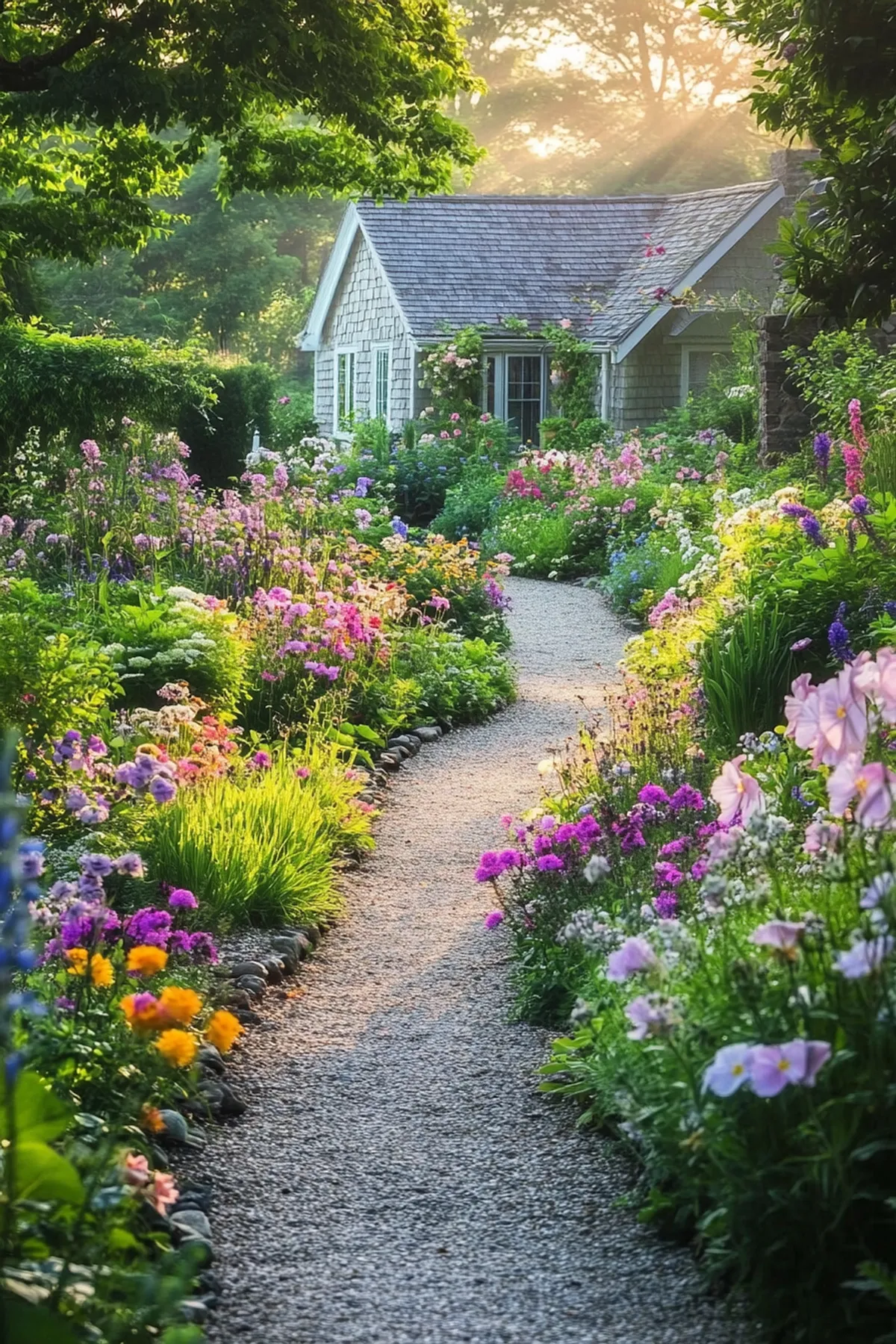
Imagine meandering walkways that beckon you to wander and discover hidden corners. Cottage gardens flourish with soft, flowing lines rather than rigid, straight edges. Design your paths to gently curve through the garden, forming intimate garden “rooms” and secluded spots. This organic layout transforms even compact spaces into enchanting retreats full of surprises.
Rustic Stone and Brick Walkways
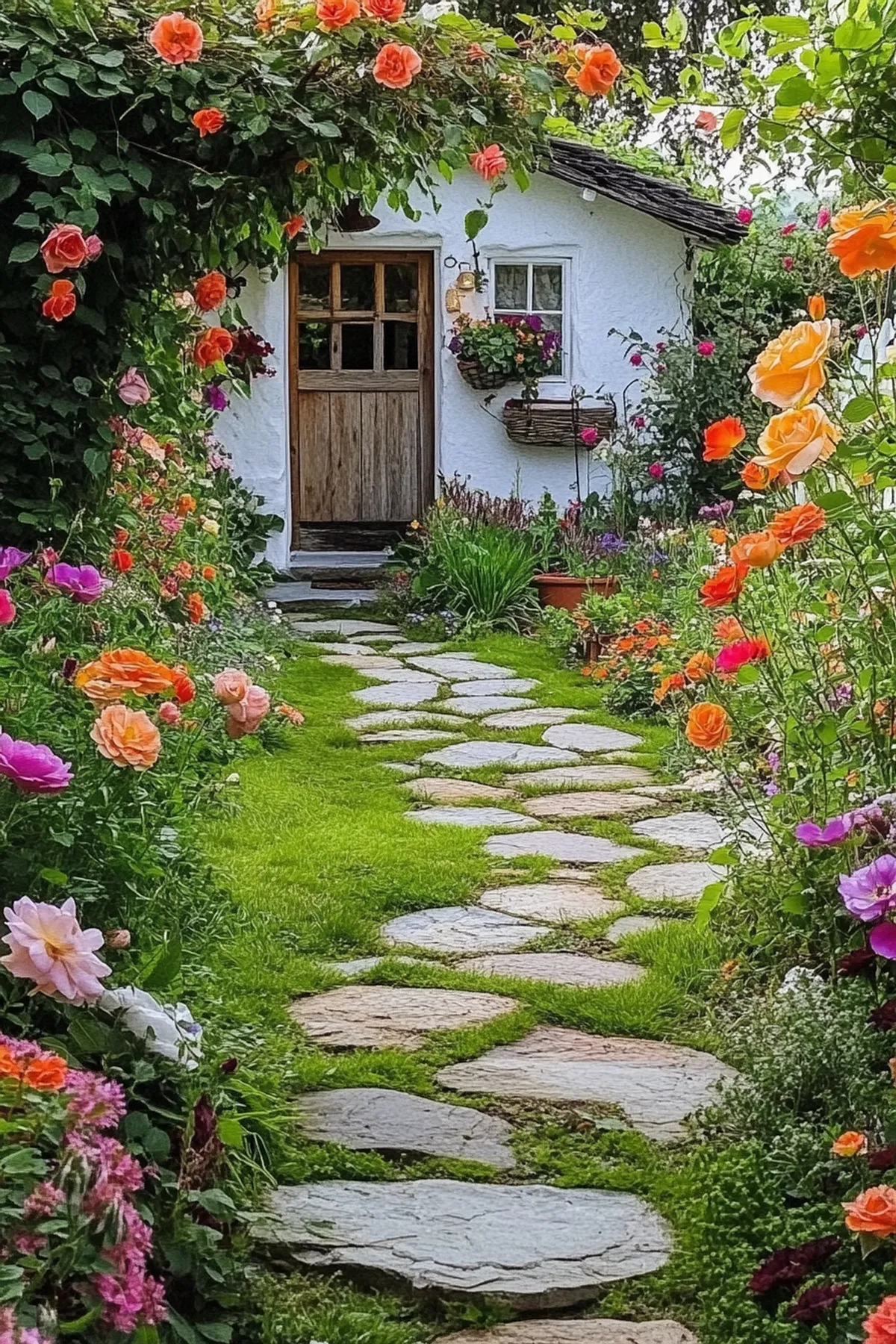
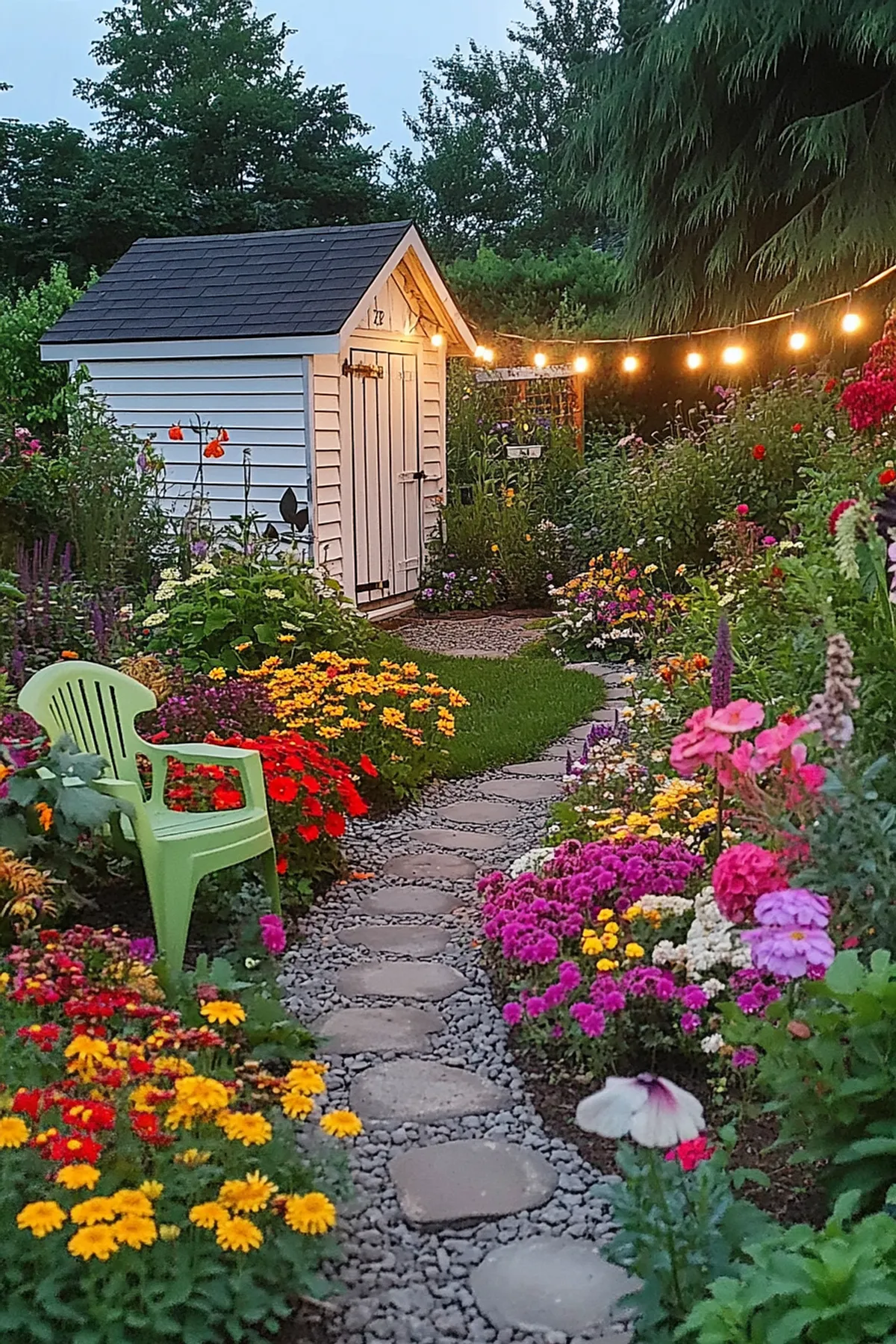
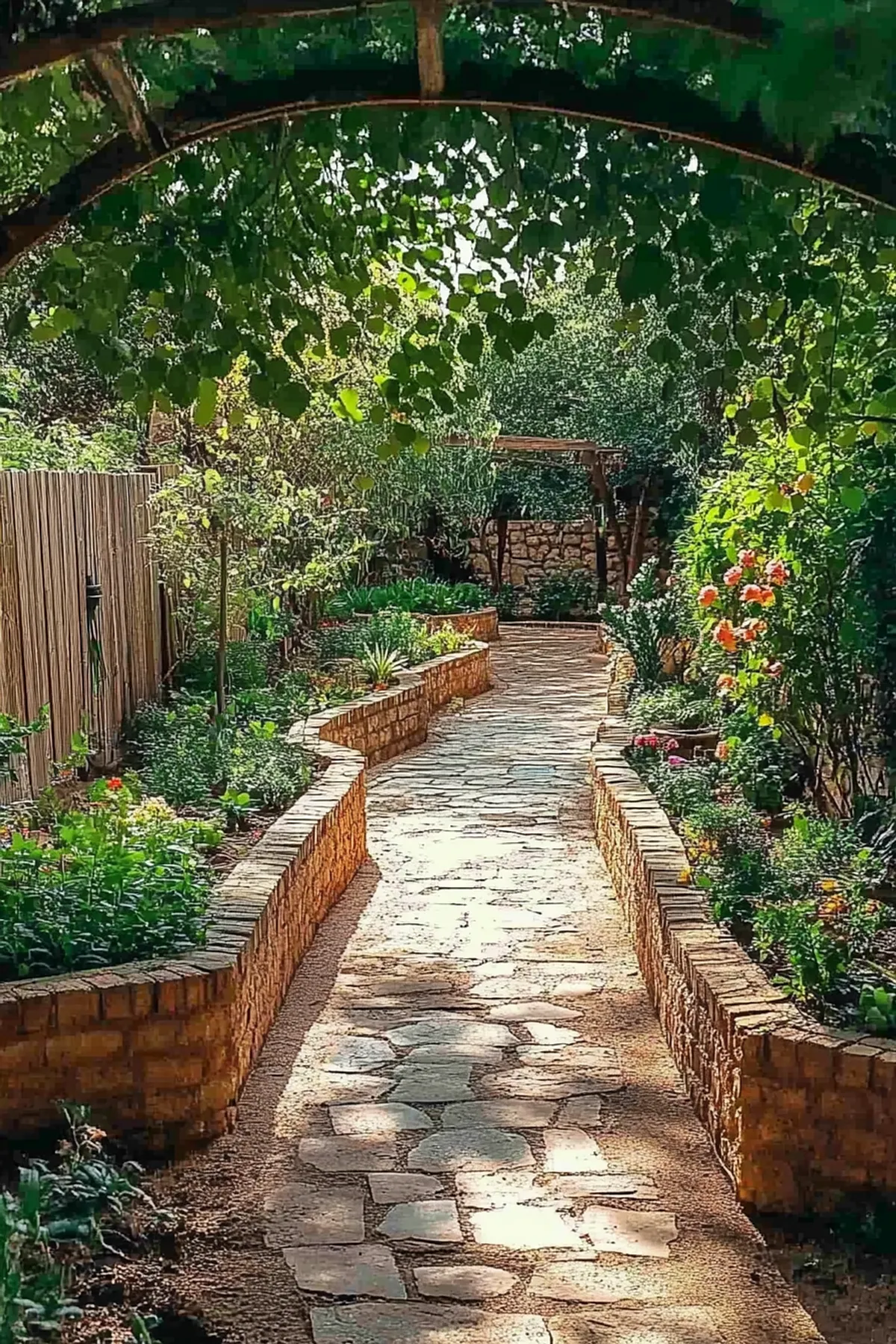
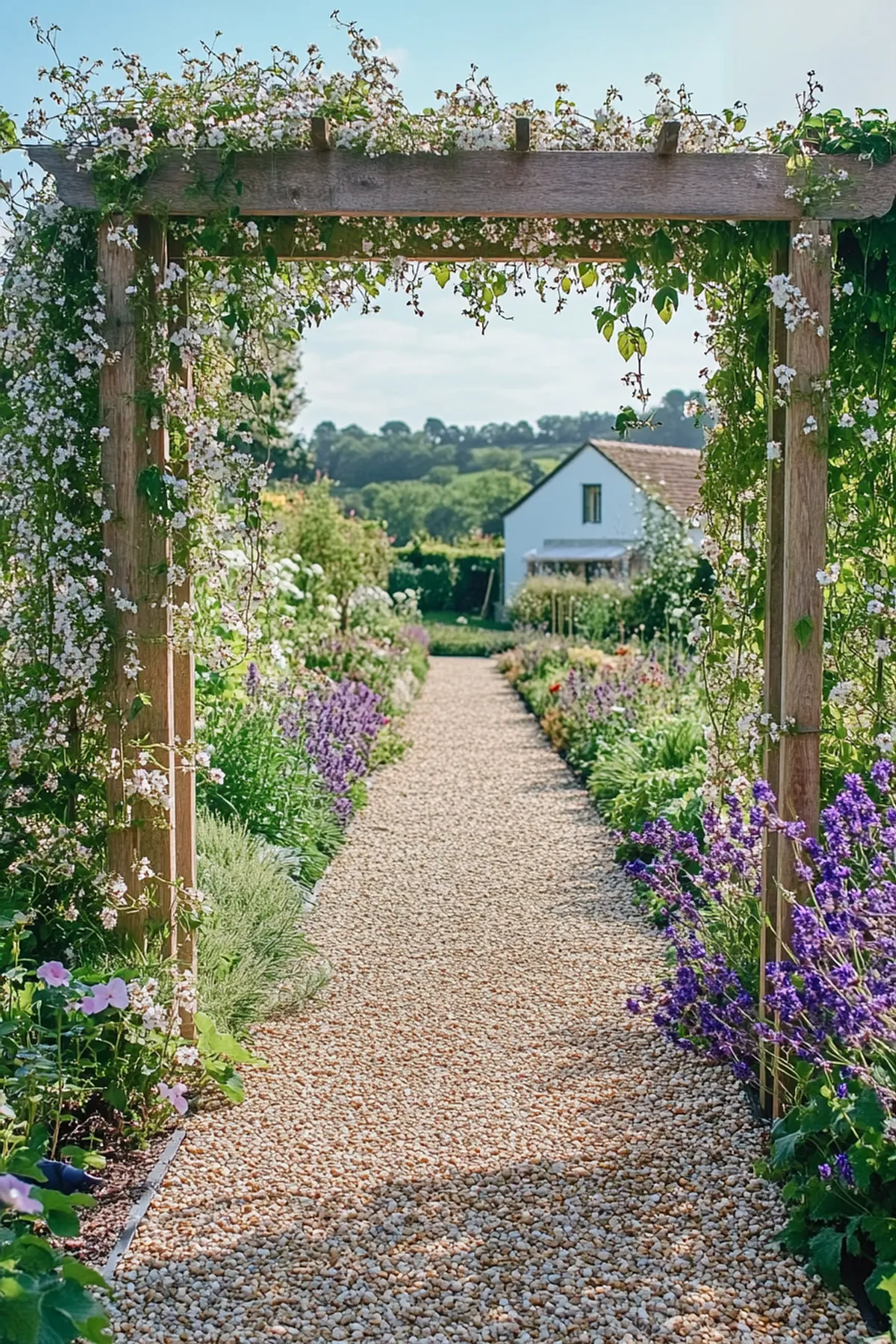
To evoke that quintessential storybook garden atmosphere, incorporate natural materials like flagstone stepping stones, pea gravel, or weathered bricks. These elements add texture and warmth, grounding your garden in a timeless aesthetic.
Layering Plants for a Lush, Abundant Effect
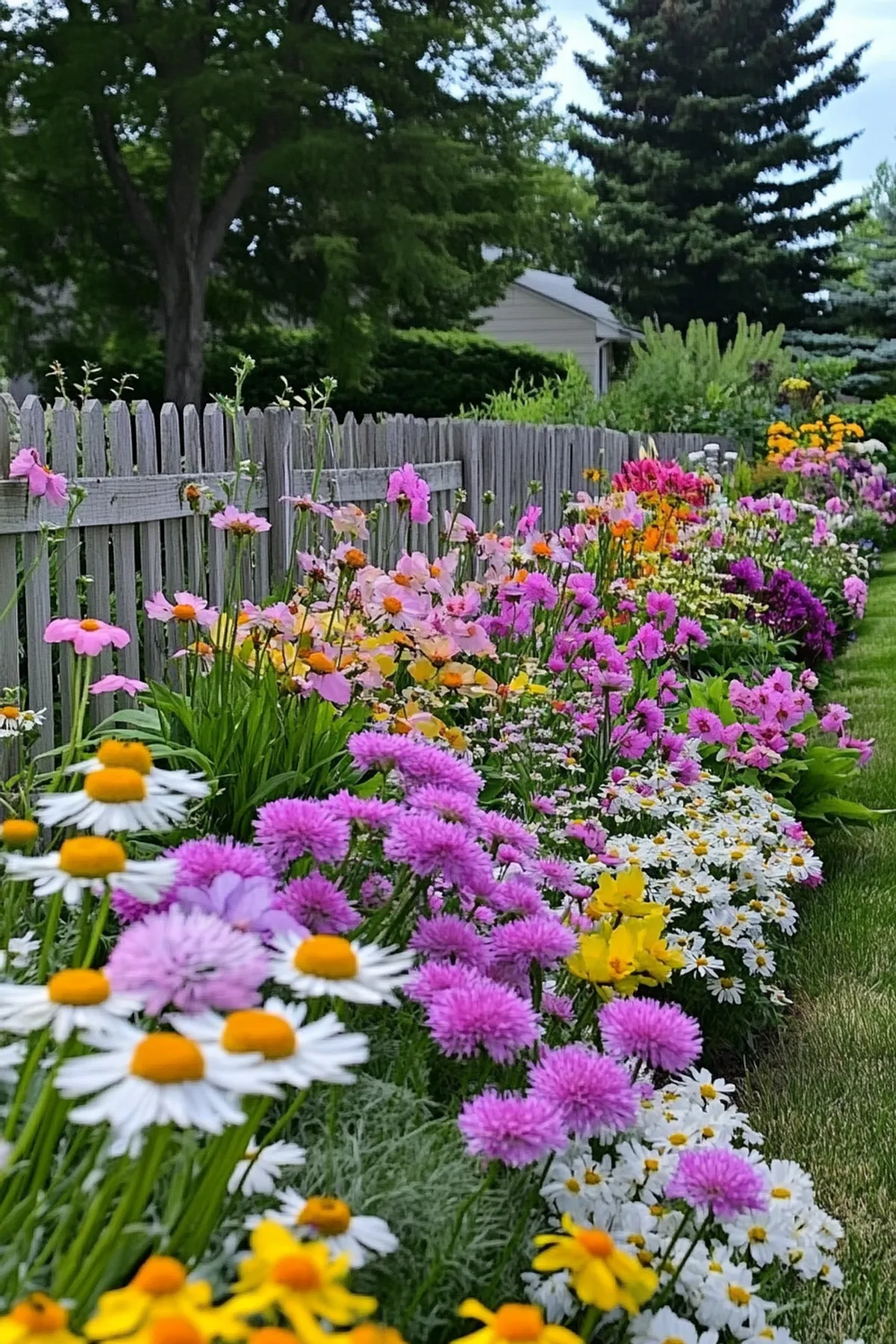
Achieving that signature cottage garden fullness depends on thoughtful layering. Begin with low-growing plants along the edges, then gradually add medium-height varieties, finishing with taller, eye-catching specimens at the back or as focal points. Although the initial spacing may seem wide, these plants will mature into a dense, vibrant tapestry that embodies the cottage garden’s lush spirit.
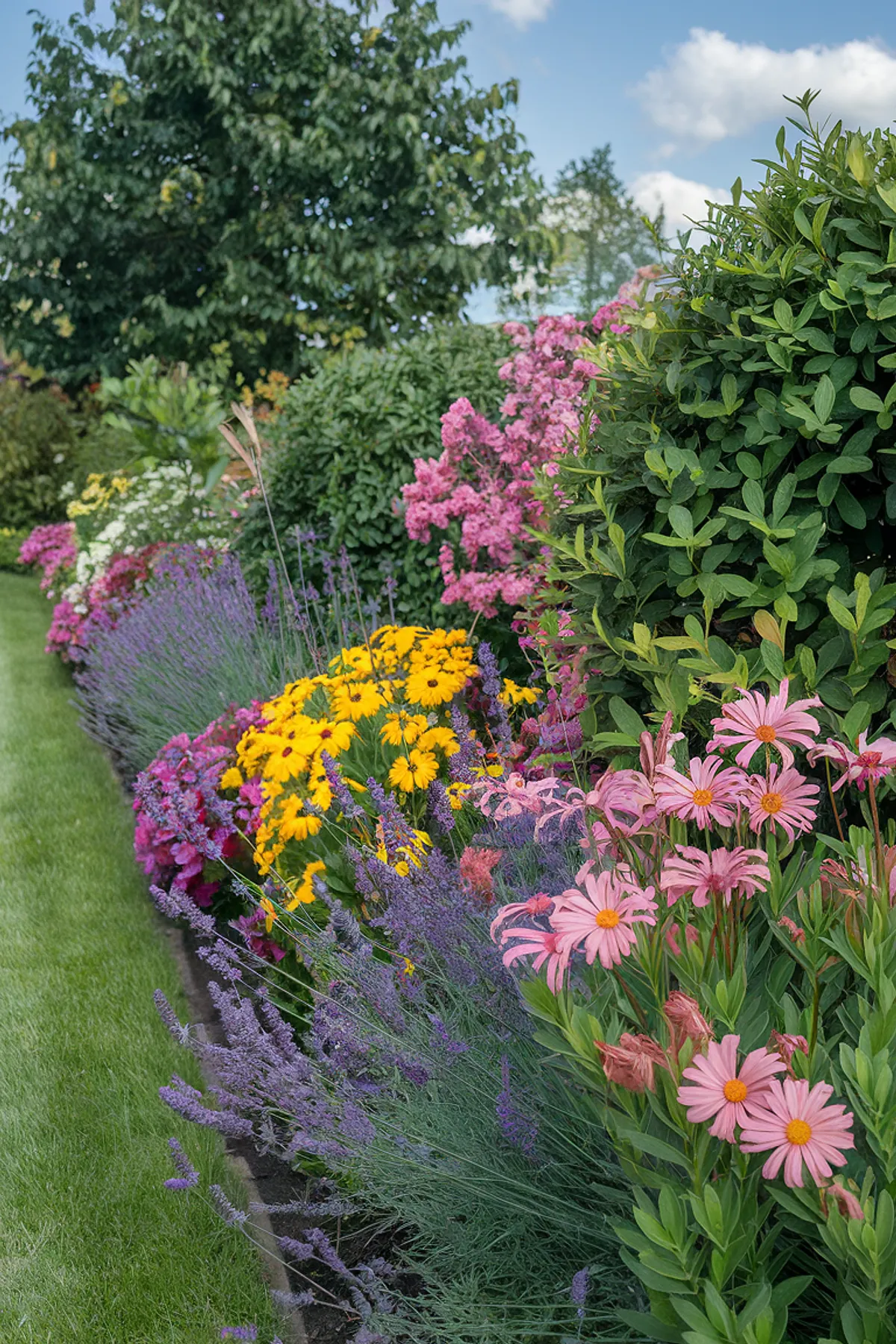
Incorporating Native Perennials for Easy Care
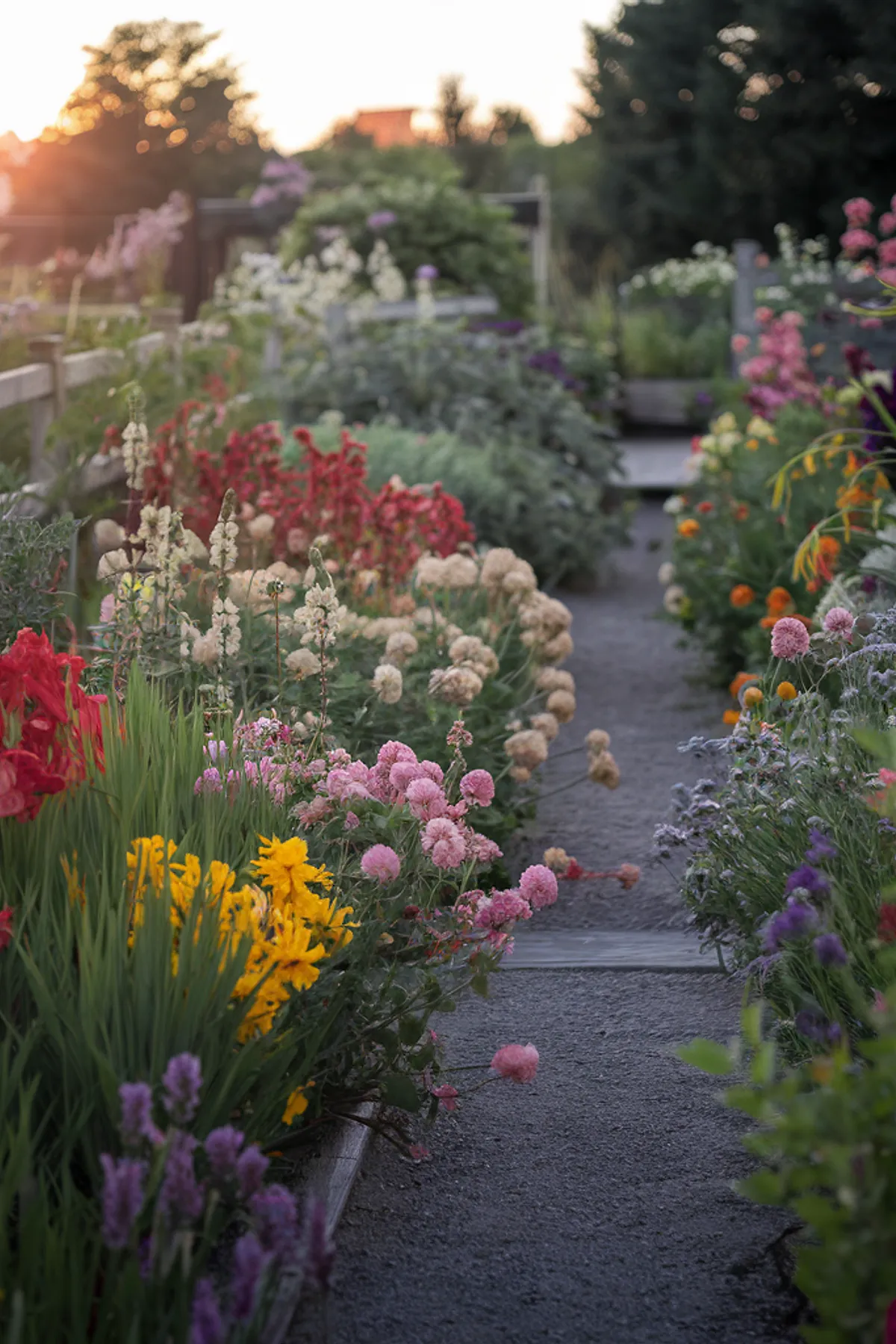
Native perennials form the foundation of a thriving cottage garden. Adapted to your region’s climate, these plants demand less upkeep and often bloom throughout multiple seasons. They also support local ecosystems by attracting pollinators like bees and butterflies. Selecting a native wildflower seed mix tailored to your area encourages natural spreading, resulting in a vibrant, self-sustaining garden.
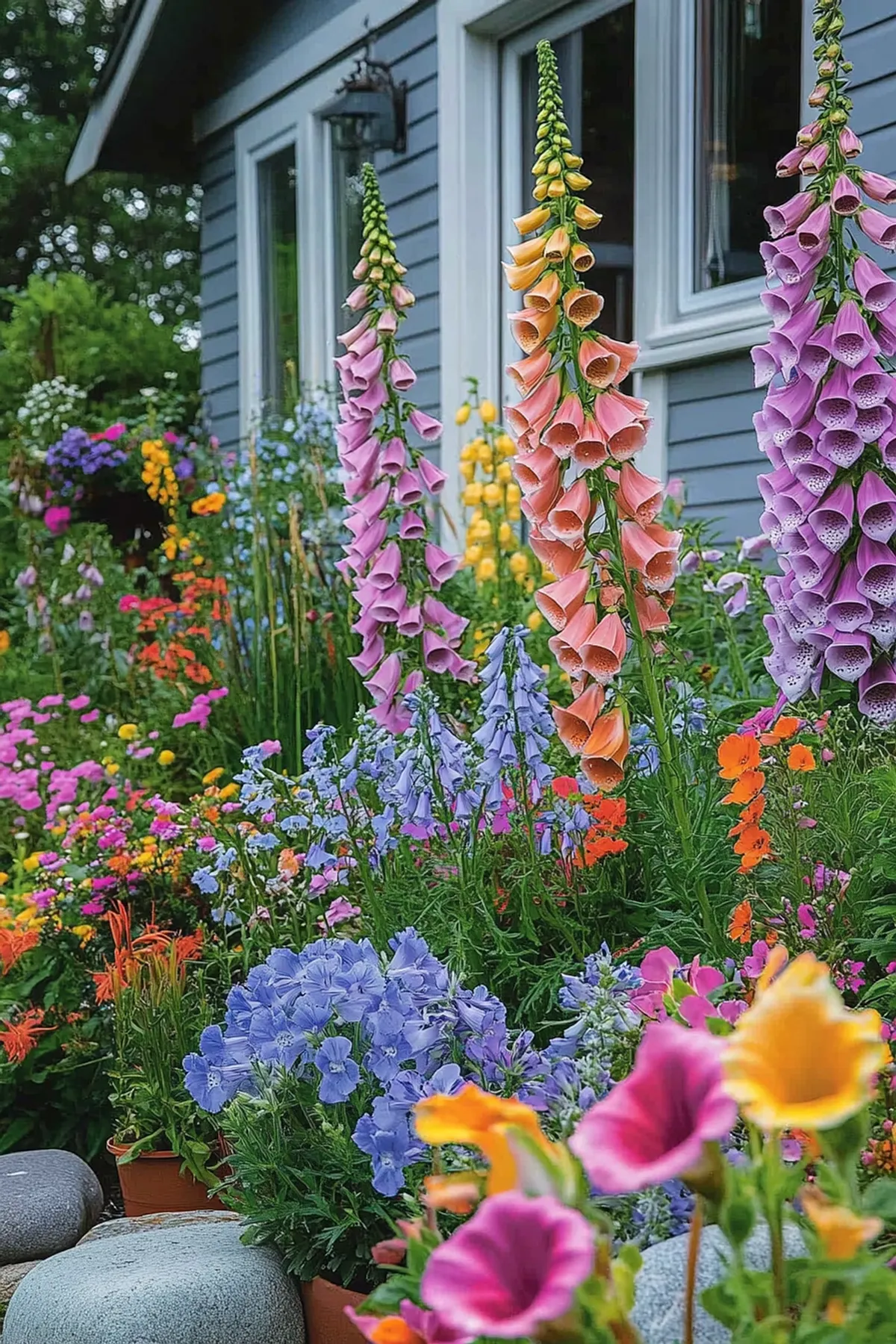
Vertical Interest with Trellises and Climbing Plants
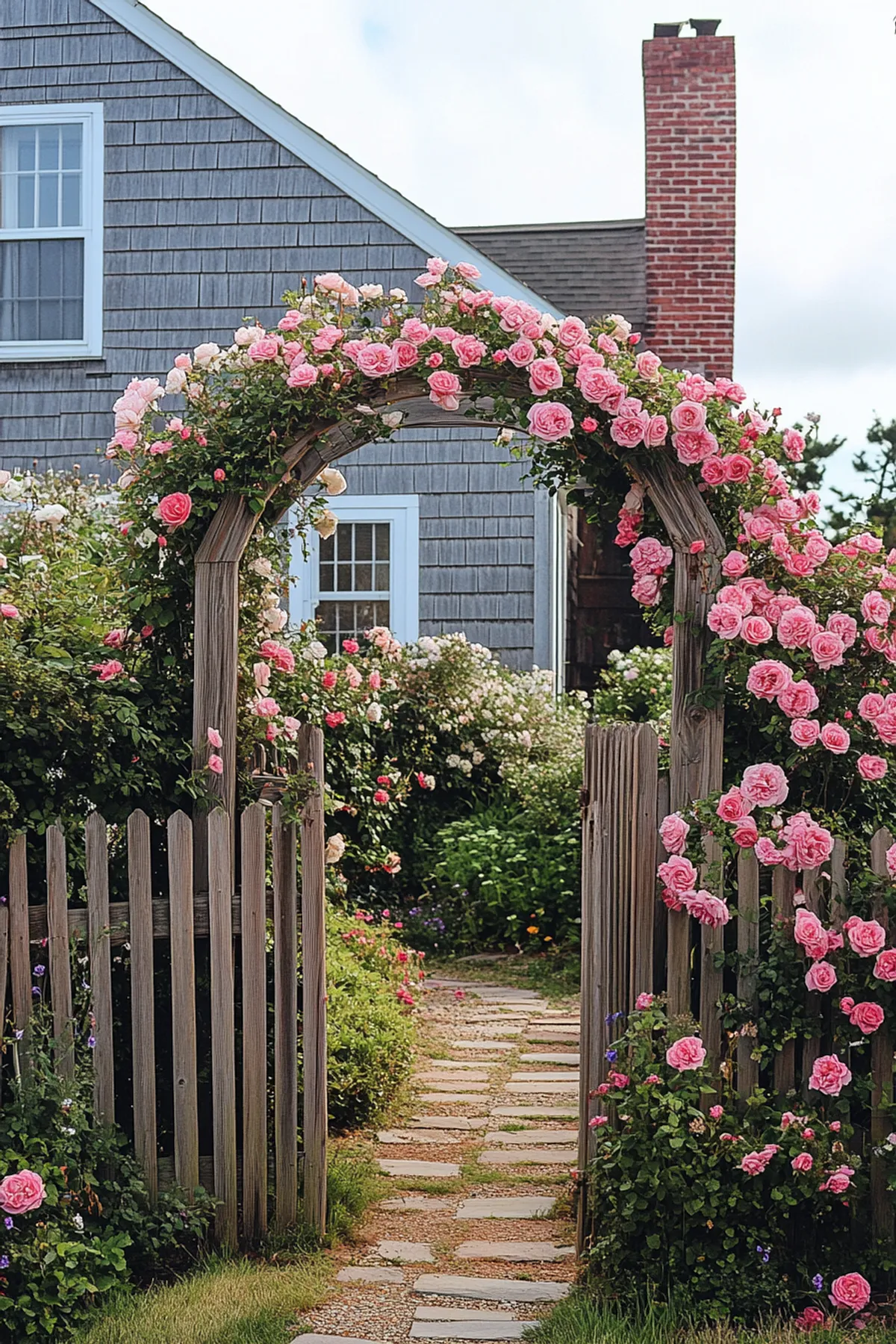
Adding vertical elements like trellises introduces height and texture, making your garden feel more expansive. Climbing plants such as clematis, honeysuckle, or climbing roses can be trained to grow on these structures, creating lush green walls and fragrant blooms. These features are especially valuable in smaller gardens, where they maximize space and add visual intrigue.
Personalized Garden Touches and Decorative Elements
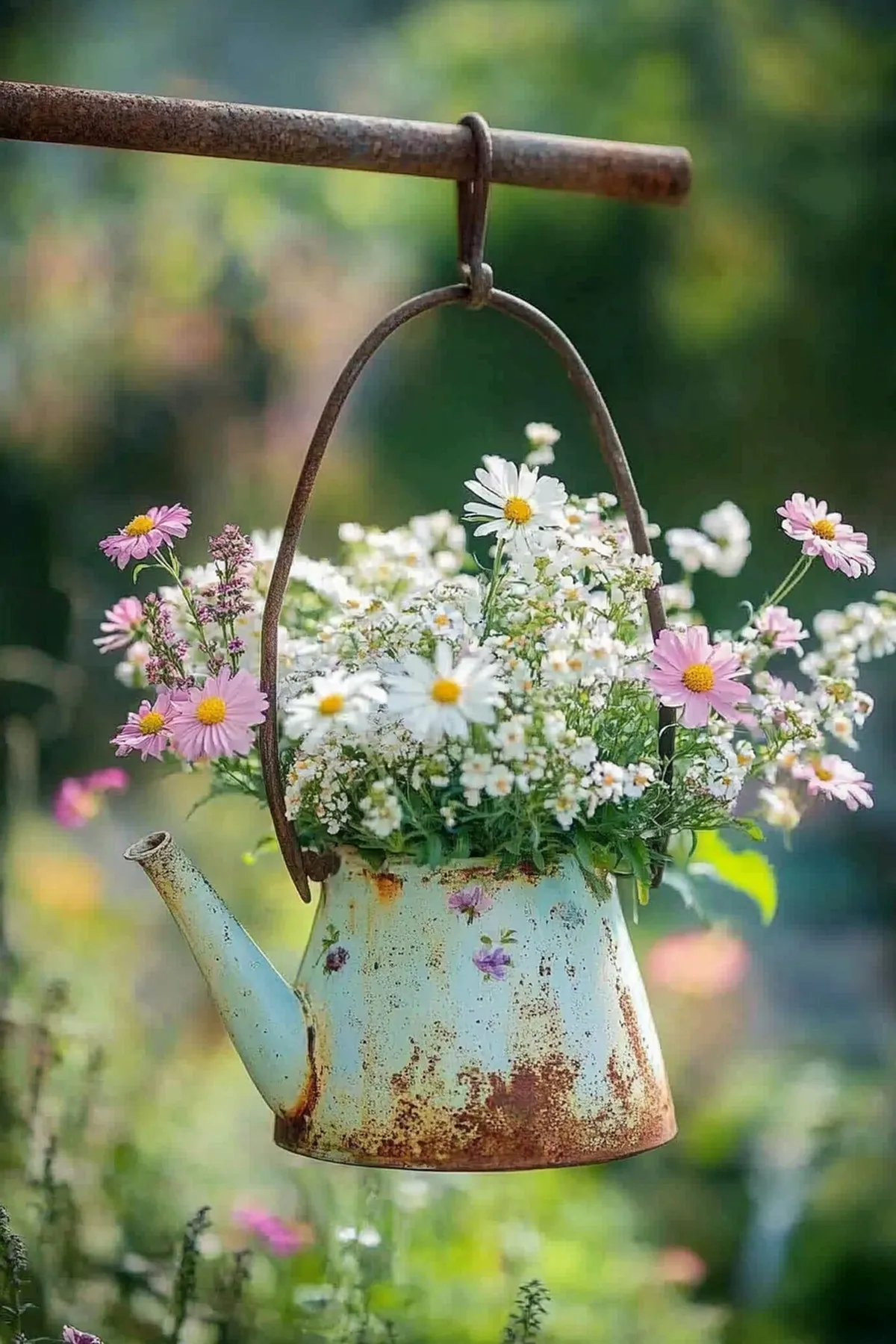
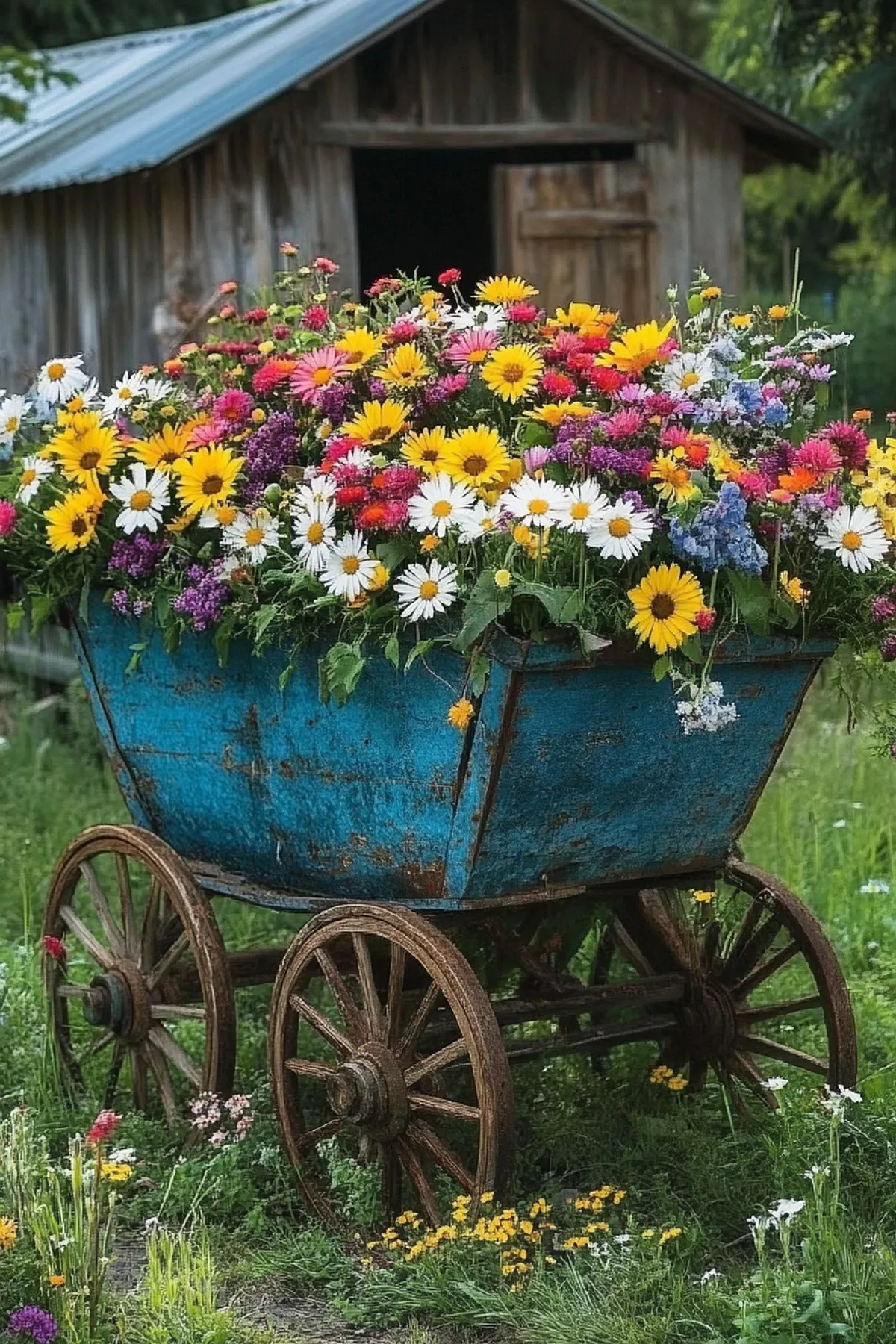
Unique accents bring character and warmth to your garden. Consider incorporating vintage birdbaths, weathered benches, or antique garden tools as focal points that complement the informal, natural vibe. These elements invite visitors to pause and enjoy the garden’s charm.
Classic Fencing: White Picket and Rustic Wood
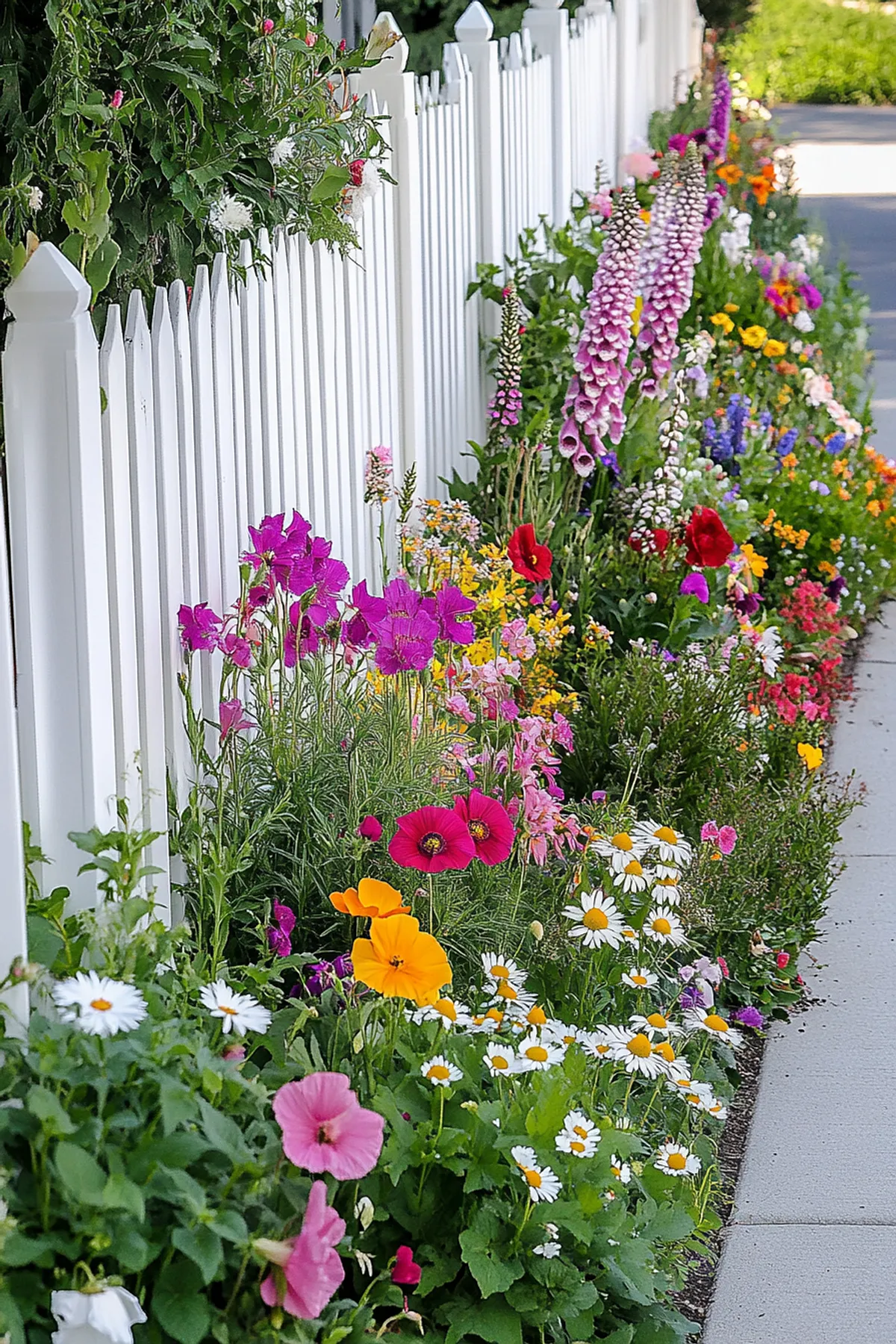
Traditional fencing styles like white picket or weathered wooden fences frame your garden beautifully, enhancing its quaint appeal. These fences not only define boundaries but also serve as a backdrop for climbing plants and flower borders, enriching the overall aesthetic.
Natural Stone and Boulder Accents
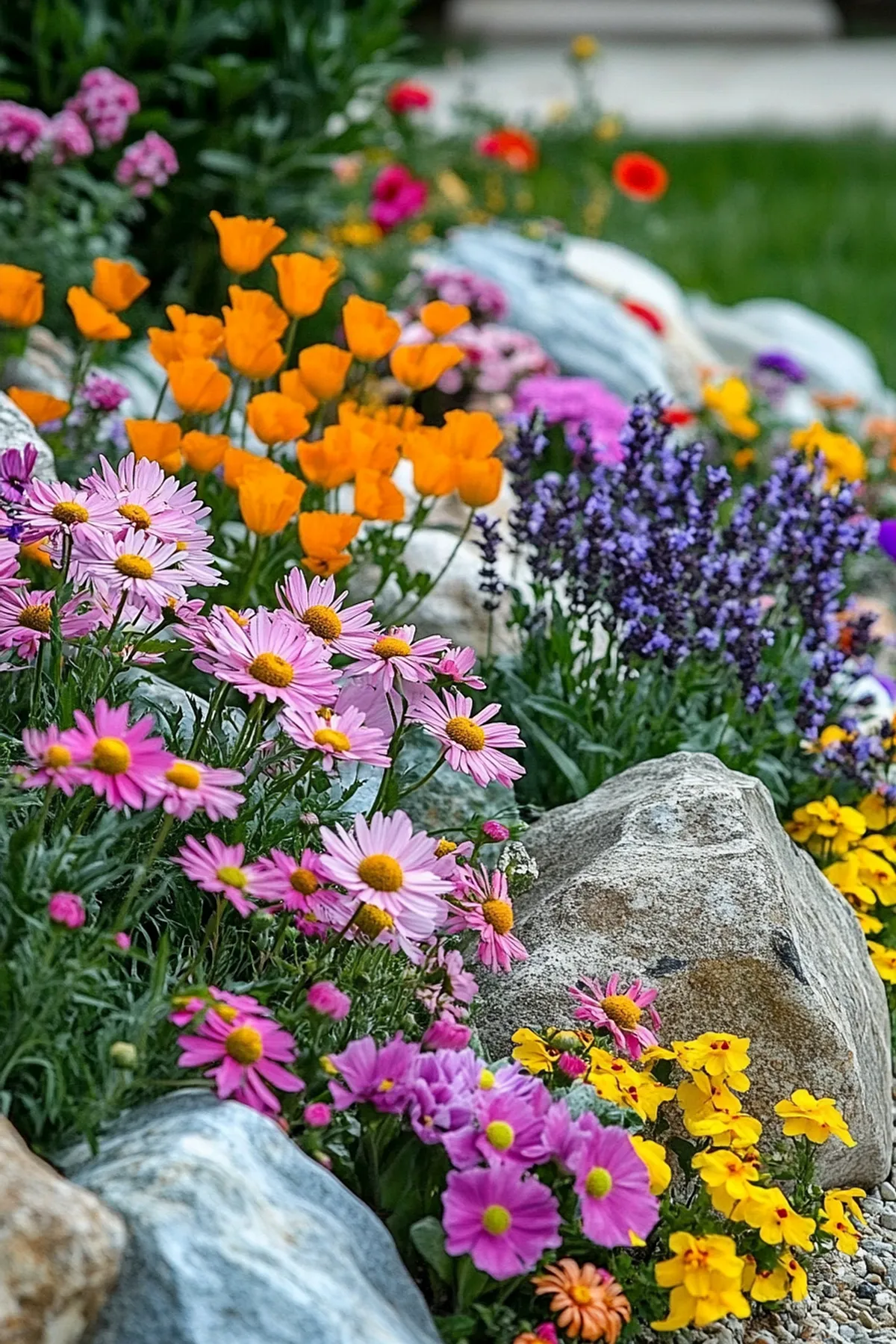
Incorporating rocks and boulders adds a rugged texture and naturalistic feel to your garden. Use them to outline beds, create informal seating areas, or as standalone features. Over time, moss and creeping plants will soften their edges, blending them seamlessly into the landscape.
Celebrate the Wild Beauty of Imperfection
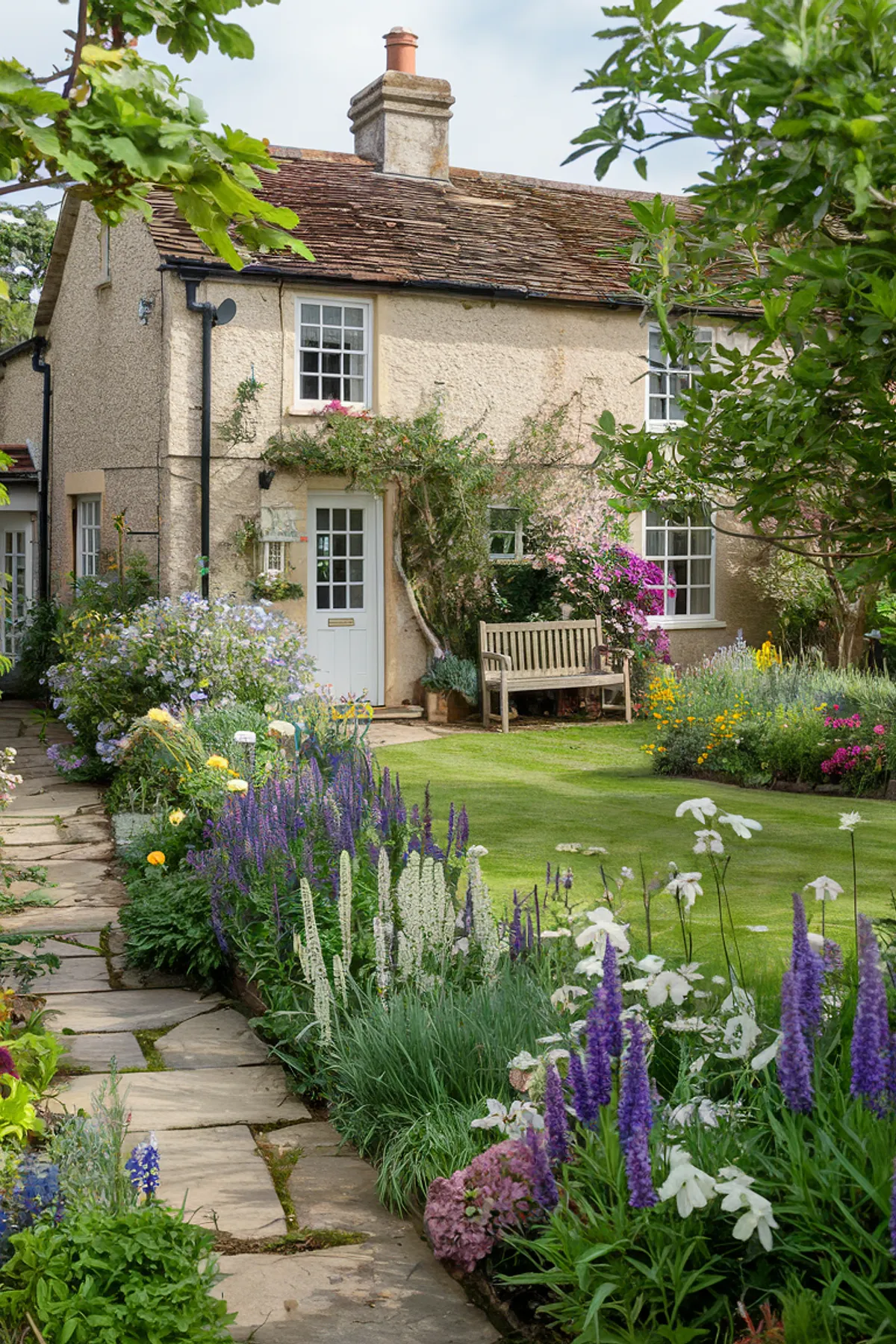
Cottage gardens are defined by their relaxed, untamed nature. Instead of striving for perfection, allow plants to grow freely, intertwining and spilling over borders. This natural disorder creates a sense of abundance and vitality that is the hallmark of cottage gardening.
For those looking to enhance their garden with essential tools and accessories, consider browsing garden tools or outdoor garden decor to find items that complement your cottage garden’s charm. Additionally, climbing plants can add vertical interest and fragrance, perfect for trellises and arches.
As an Amazon Associate I earn from qualifying purchases.