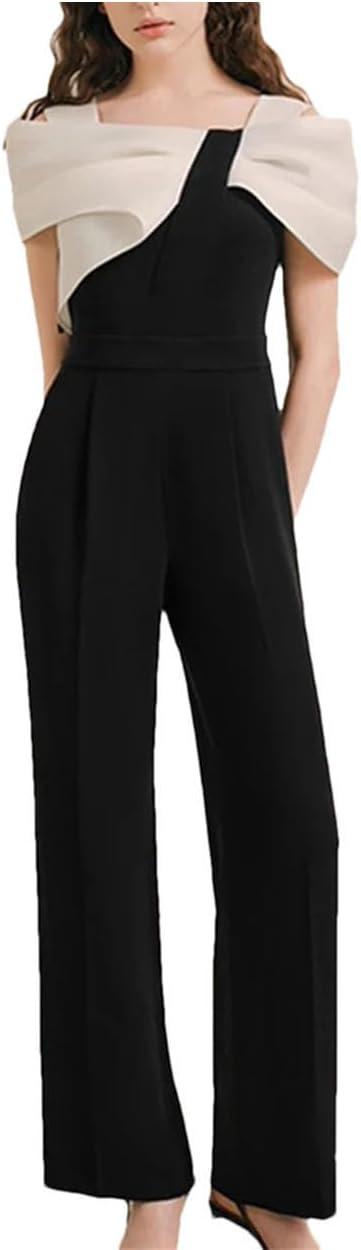
We tried the Generic “Hit Color Spliced Folds Slim Jumpsuit” on a weekday afternoon and noticed right away how the fabric met the skin — slightly brushed, with enough body to hold those soft folds without feeling stiff. The square neckline and off-shoulder sleeve create a quiet structure across the chest while the high waist redirects the drape so the legs fall to the ankle in a wide, easy line. As we moved, the pant legs gave a gentle sway; when we sat the gathers folded into natural creases rather than pulling or bunching. Seams lie flat against the torso and the overall visual weight reads balanced — neither billowy nor rigid — which is the frist thing that struck us about wearing it.
our first look at the jumpsuit and the silhouette that the color splice creates
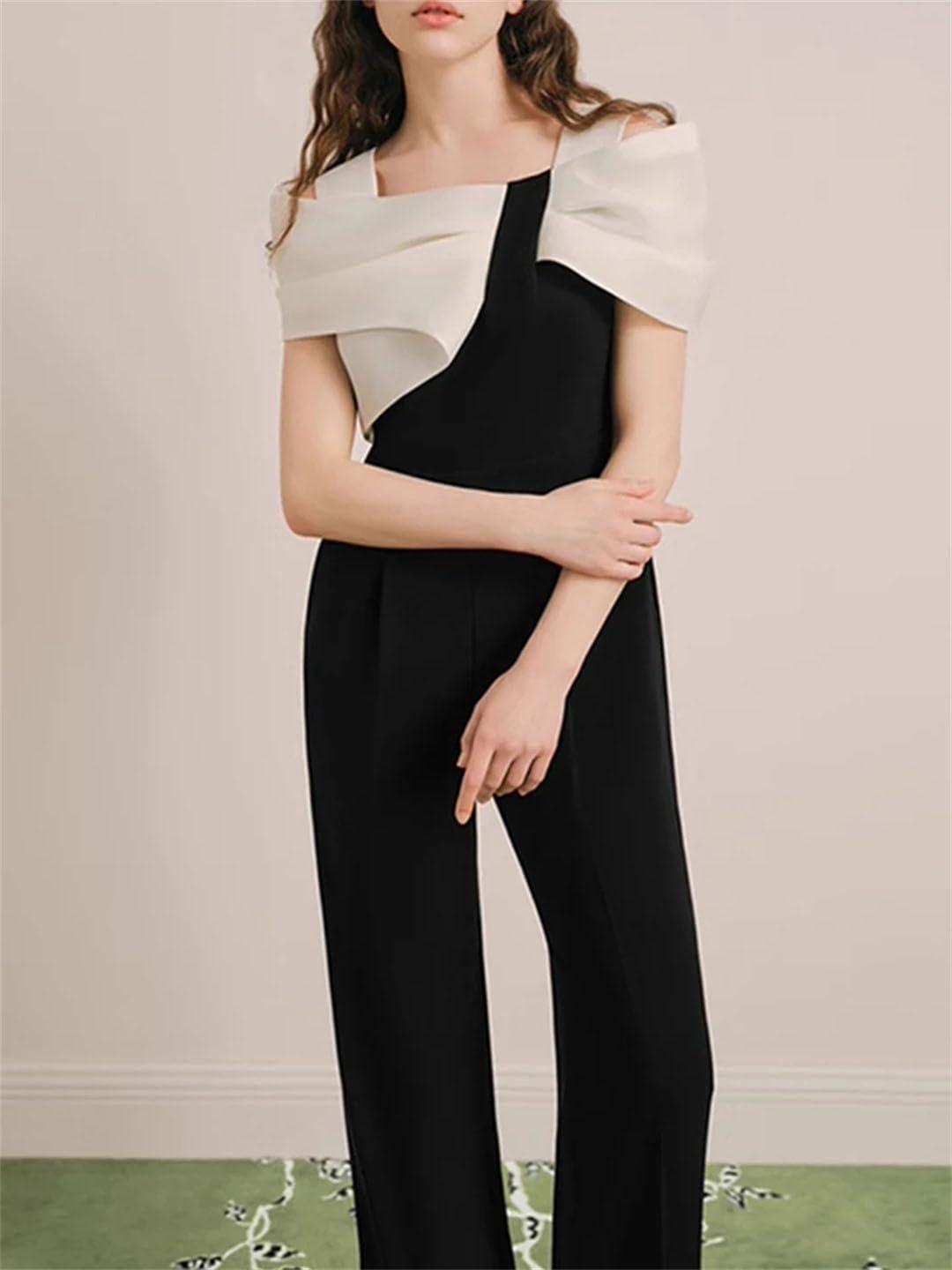
When we first stepped into the jumpsuit, the thing that grabbed us was how the color splice reads on the body — it doesn’t sit flat like a single tone but rather breaks and redirects the eye. The blocks of color meet around the torso and hips, so from a short distance the outfit reads as a composed set of horizontal and diagonal planes; up close, those joins shift as we moved, the seams and folds catching light differently and briefly altering the perceived line from shoulder to ankle. As we smoothed the fabric and adjusted the off-shoulder edge, the splice sometimes appeared to accentuate the fold at the waist, and at other moments the contrast softened as the material draped and the leg widened with each step.
Walking produced small, repeated changes: the color boundary rode slightly upward when we reached for something, and when we relaxed our arms it settled back, which made the silhouette feel a touch less static than at first glance. The ankle-length hem and the way the panels fall create a verticality that the splice interrupts in a measured way, so the overall outline reads as a layered silhouette rather than one uninterrupted column. These shifts felt natural over the few minutes we wore it, and they tended to emphasize different parts of the form depending on posture and movement.
What we notice about the fabric, texture and how the spliced folds sit
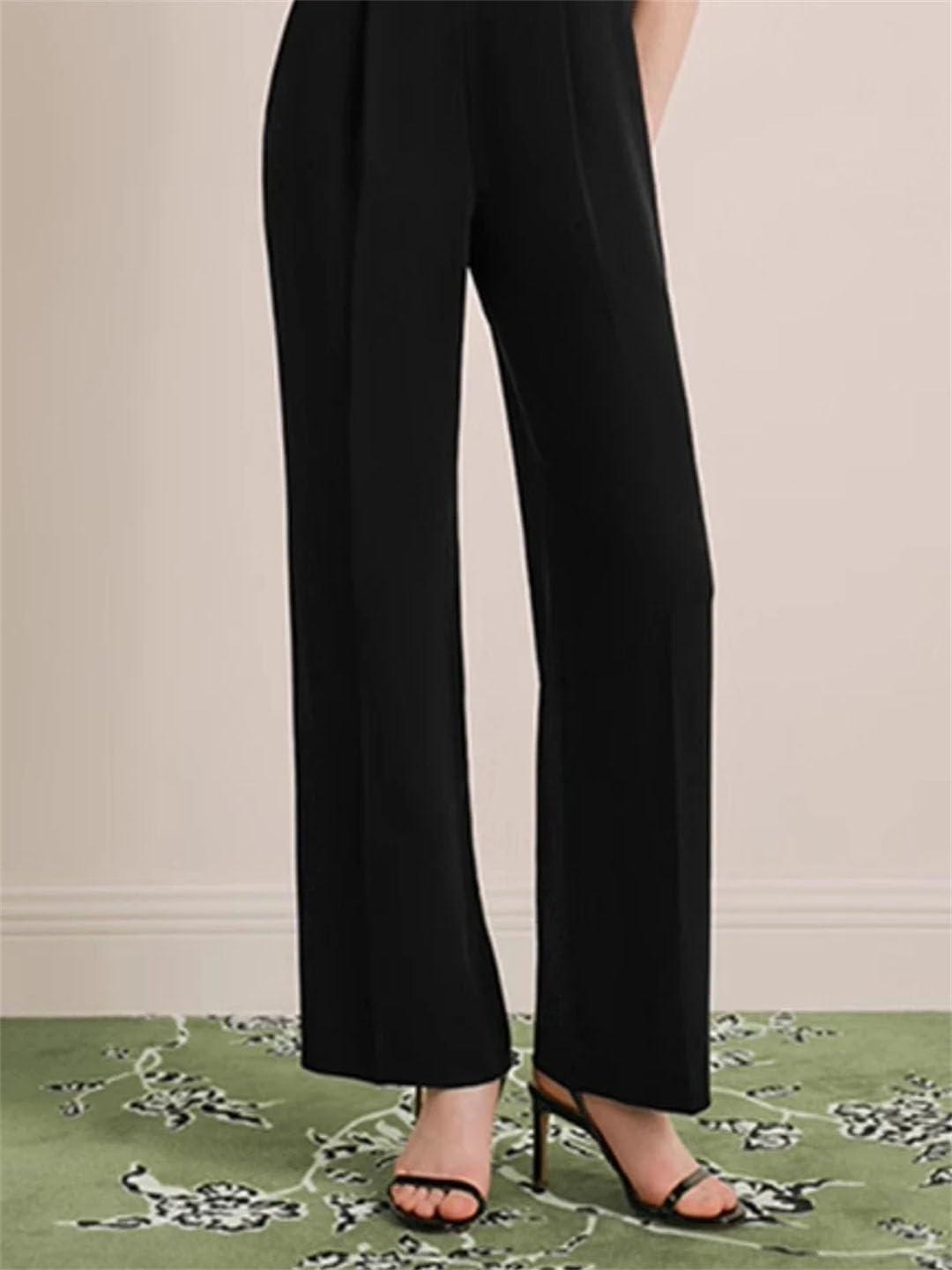
When we first slip into the jumpsuit the surface reads as smooth and slightly taut rather than floppy; under different lights the weave catches a faint sheen and the panels that have been spliced together show as subtle lines rather than heavy seams. The texture against our skin is cool at the start and warms with movement; along the spliced joins the stitching sits mostly flat, creating a thin ridge that outlines each fold rather than interrupting it. As we smooth the fabric with an instinctive tug or hitch a sleeve,those ridges realign and the fold paths shift a little,which makes the garment feel a bit alive to small adjustments.
Watching how the spliced folds settle over time reveals a few recurring habits. While standing, the folds tend to fall into long vertical drapes that emphasize the leg line; once we sit or cross our legs the same folds compress into softer, horizontal creases across the hip and upper thigh. Walking makes the spliced panels fan and separate slightly at the leg openings, sometimes revealing a slippered or shoe-top as the fabric swings. After a few hours of wear the joins sometimes show faint, short-lived creases where the panels overlap; these relax after we stand and smooth them down, though they can reappear with repeated movement. the way the spliced construction sits changes with posture and small, unconscious adjustments we make throughout the day.
How the cut shapes our frame — sleeve line, high waist and leg drape
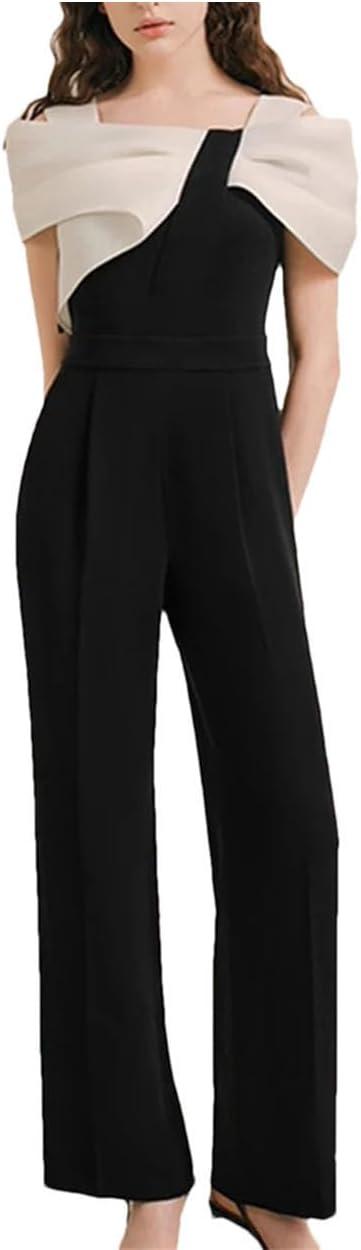
We notice the garment’s shoulder and sleeve construction as soon as we step into it: the square neckline and the way the sleeves sit just off the shoulder set a distinct horizontal line across the upper chest. The sleeves tend to hug the upper arm at rest and then slip a little when we lift our arms, prompting the familiar, almost automatic tug to reposition them. That horizontal arrest created by the neckline and sleeve seam gives the upper torso a framed look, so the shoulders read as a clear edge against the collarbone rather than a soft blur. As we move, the sleeve openings soften into gentle folds, and the interaction between the sleeve line and our shoulders shifts subtly — an element that becomes part of how the outfit settles into the body over time.
Lower down, the high waist seam reorients where the eye meets the body; it marks a higher pivot point between torso and legs, and the fabric drops from there into broad, folded legs. The wide-cut pant section forms long vertical folds as we walk, which lengthen with each step and then gather into looser pleats when we pause or sit. Sitting flattens some of those folds across the thighs and causes small creases behind the knees, while standing and walking reopen the drape into softer columns. In breezy conditions the legs can billow slightly, and when we shift stance the hem can reveal fleeting glimpses of footwear — all small, time-based behaviors that show how the cut sculpts our silhouette in motion.
How it measures up in everyday use and where we notice limits
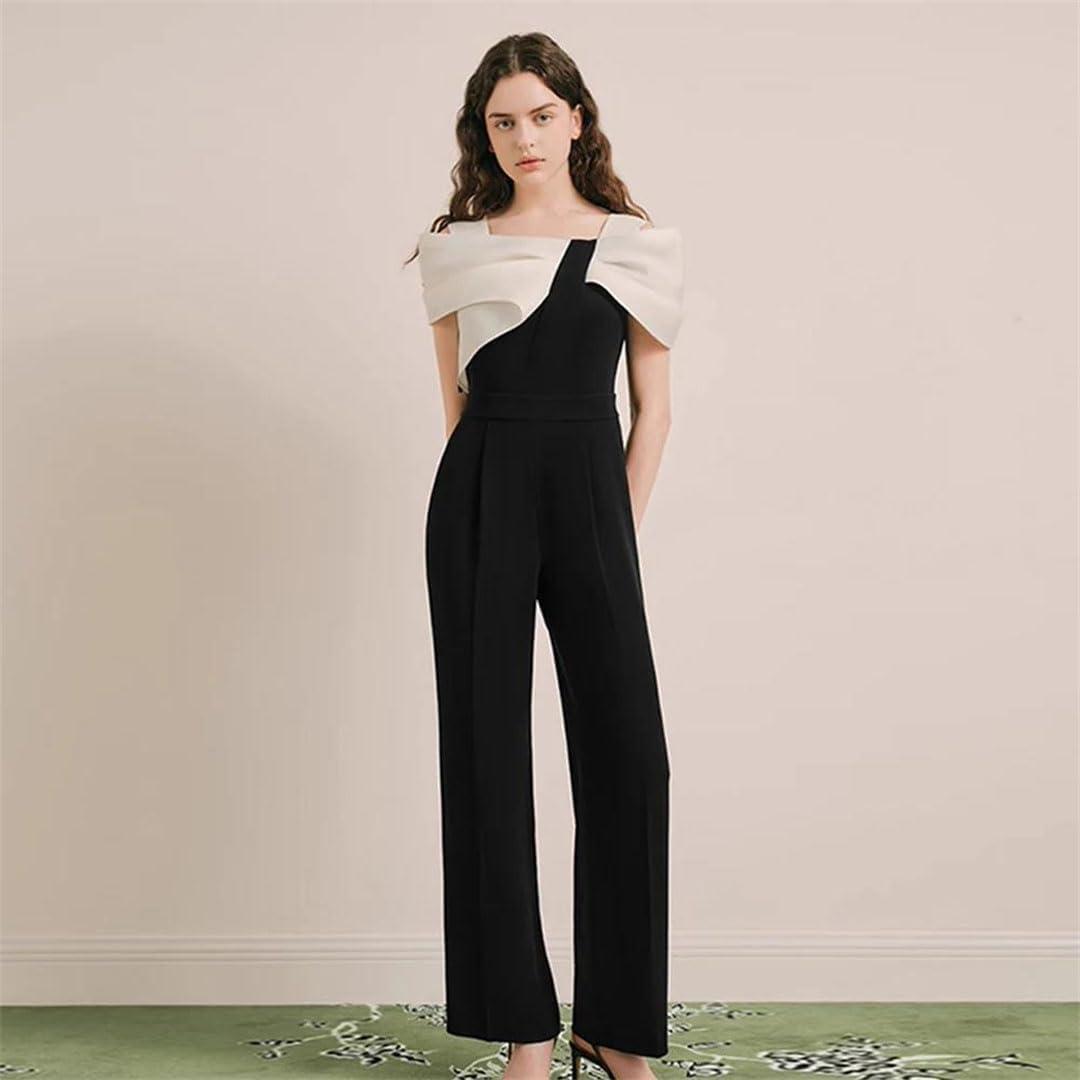
In everyday wear the jumpsuit moves with predictable rhythms: the square neckline shifts slightly when arms are lifted, and the off-shoulder edge frequently enough needs a gentle nudge back into place after reaching or leaning forward. Walking produces a flowing sweep in the legs that mostly clears footwear, though damp sidewalks or crowded streets can catch the hem more than expected. Sitting for extended periods creates soft creases across the seat and at the high waist; these relax after standing, and the garment settles into a slightly rumpled shape rather than holding a crisp silhouette.
Small, unconscious habits show up quickly — an occasional sleeve hitch, smoothing along the torso, or a swift tug at the neckline during a long conversation. The design allows for roomy movement across the hips,but overhead stretches and bending can pull the shoulder line down or shift the fit around the chest,so brief readjustments are a common pattern over the course of a day. Breathability and how the fabric feels against the skin change with activity: periods of brisk movement make the inner surfaces cling subtly, while slower moments let the fabric fall away more freely.
View full specifications and available sizes
How it moves with us through a day — sitting, walking and sleeve behaviour
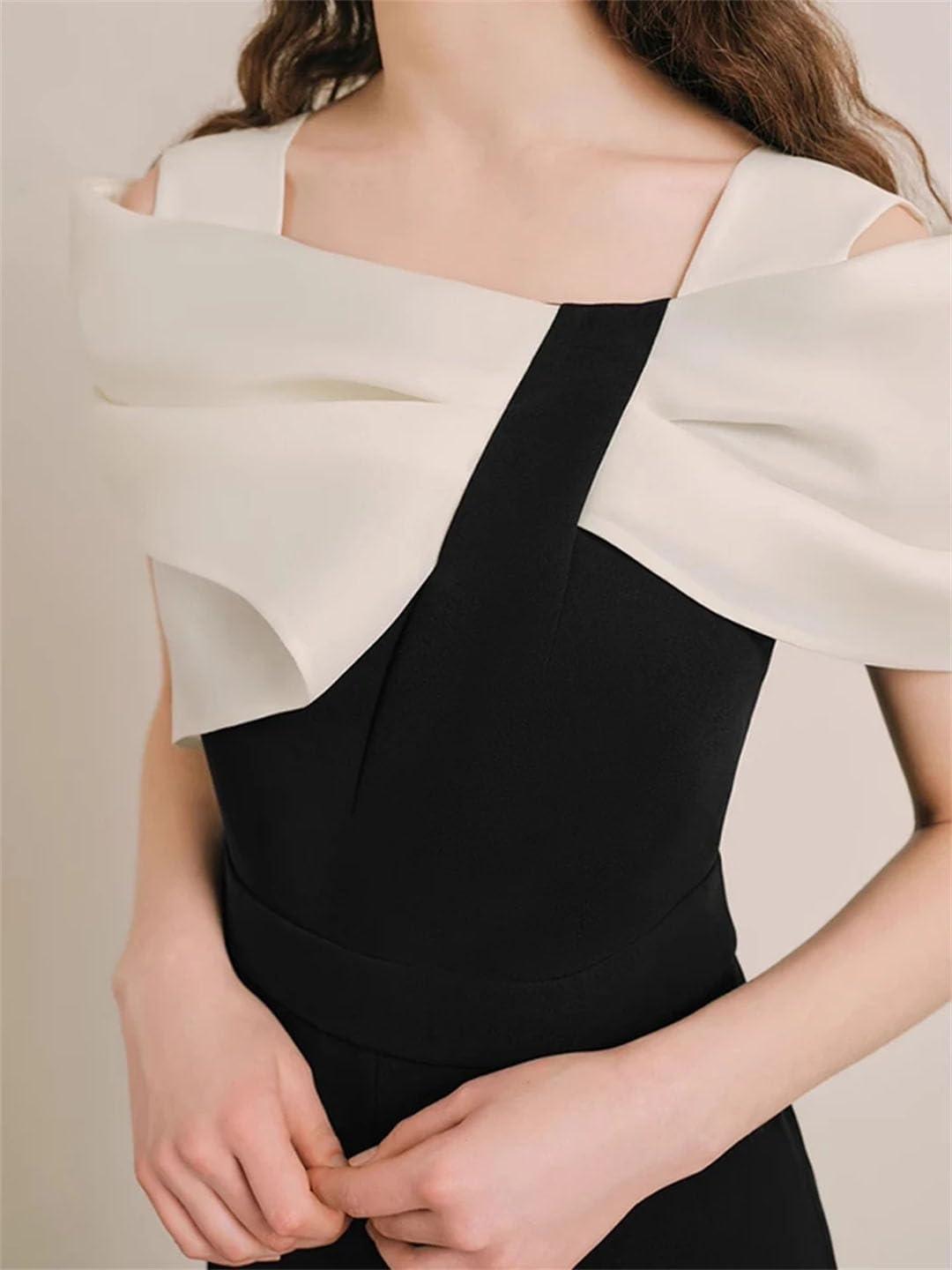
When we sit, the jumpsuit reshapes around us rather than staying perfectly still. The high waist and the gathering at the front tend to ride a little as we fold at the hips,so the fabric smooths and tucks in places we instinctively press flat with a hand. The legs shorten visually — hems lift toward the lower calf and the wide silhouette compresses into soft folds around the knees, which can make the ankle-length feel less formal in a seated posture. Small creases appear behind the knees after a while, and we find ourselves shifting the leg fabric or smoothing it with the back of our palm without thinking.
On the move, the lower half follows a relaxed sway. Each step sets the wide legs into motion; they billow outward on a brisk walk and then settle back as our stride slows. The pant length brushes at the ankle on pavement and sometimes flicks against shoes when we pick up the pace, creating a constant, low-level rustle. Across short distances the jumpsuit preserves its overall shape, but long walks introduce more lateral movement around the hips and inner-thigh seams, which we notice as a gentle tug or slight repositioning during the day.
sleeve behavior is a recurring, almost unconscious interaction. The off-shoulder line and the sleeves themselves drift when we reach overhead or shrug, prompting us to hitch the band back into place or smooth the shoulder once we lower our arms. In calmer moments the sleeves sit quietly, but reaching into a bag or getting in and out of a car reveals how they can creep up the arm or slip lower toward the elbow; we tend to readjust them a few times, especially early in the day as the fabric settles. movement and small adjustments become part of wearing it — a rhythm of smoothing, tucking, and letting the garment fall back into place.
How it Wears Over Time
We’ve been wearing the Women’s Hit Color Spliced Folds Slim Jumpsuits Square Collar Off Shoulder Sleeve High Waist Temperament Jumpsuit from Hit Color on mornings when one piece is easier than a decision, and over time it has settled into our quieter rotations. In daily wear the fabric loosens subtly, seams and creases becoming the small marks of movement rather than things to fuss over. As it’s worn in our regular routines the comfort shows itself in fewer fidgets and a softened shoulder that feels familiar. After a few weeks it simply becomes part of our rotation.
As an Amazon Associate I earn from qualifying purchases.