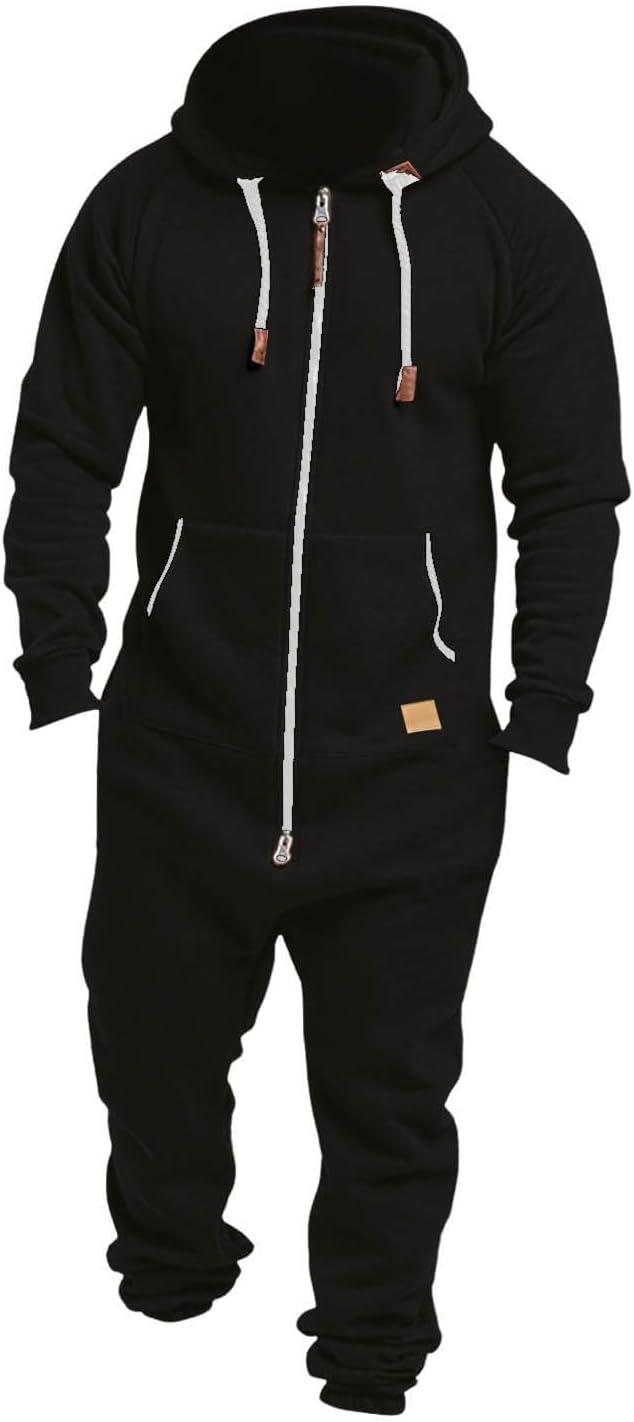
We spent an evening in the Generic “Mens Fleece Lined Hooded Jumpsuit Insulated Zip up One Piece Pajamas Onesie playsuit Jogger Sweatsuit Overall Romper,” which we’ll call the fleece-lined jumpsuit. The first thing we noticed was the inner fleece—soft and slightly lofty against the skin—while the exterior has a matte, almost hushed finish that gives the piece a modest visual weight. As we stood, the suit hung with a gentle, boxy drape; when we sat the fabric folded into soft, rounded creases at the knees and hips rather then pulling or pinching.The zip glided smoothly and the seams across the shoulders and along the sides sat flat, so movement felt uninterrupted; the hood fell naturally instead of flopping stiffly. Those first moments of wearing were mostly about tactile comfort and how the garment behaved in ordinary motion—warm without feeling constrictive, and noticeably lived-in as we moved through the room.
At a glance we note the overall silhouette, zip placement, and how the piece first feels against the skin
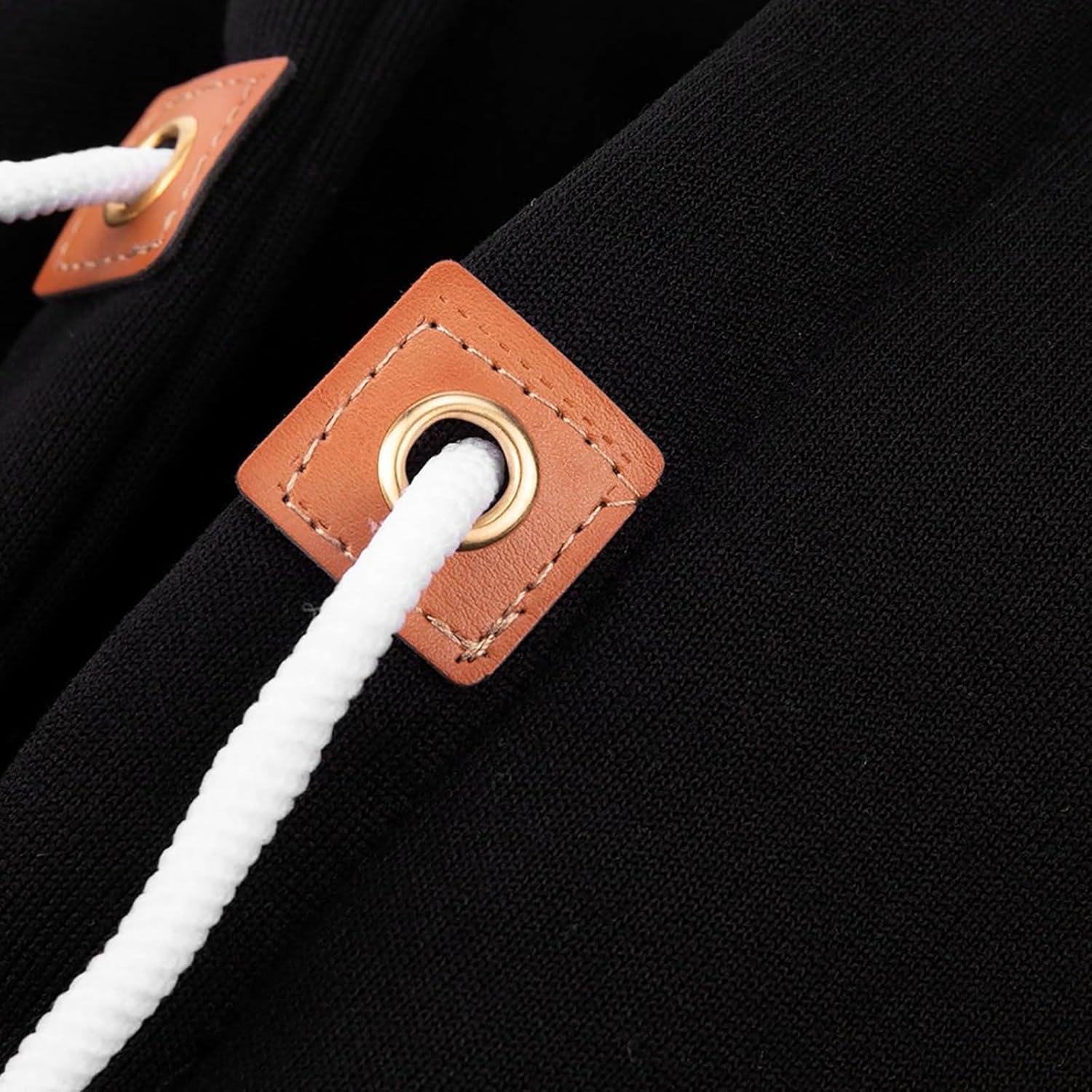
When we first step into it, the one-piece reads as a single clean line from shoulder to ankle: the shoulders sit close to the chest, the torso follows the body without sharp tailoring, and the legs narrow toward the ankle so the overall silhouette reads more relaxed than boxy. As we move—reach, sit, stand—the shape shifts: fabric gathers behind the knees and at the seat, and the waist can blouson slightly where the seams meet. The hood and shoulder line frame the upper body without adding bulk, so from a short distance the outfit presents as a compact, continuous shape rather than a series of separate pieces.
There’s a center-front zipper that runs up to the collar and down through the torso; zipped up, the zip lies along the midline and forms the most obvious vertical break in that continuous silhouette.Partially open, the zipper creates a small ridge and pulls the surrounding fabric inward a touch. on first handling and first wear the interior has a noticeably soft, nap-like feel against the skin—instantly warm and slightly plush—while the zipper hardware can feel cool at the chin before the fabric settles over it. We find ourselves smoothing sleeves, tugging at leg hems, and shifting seams at the shoulders in those opening minutes as the garment adjusts to our posture and movement.
We explore the fleece and lining, their texture, weight, and how the pile sits when we touch it
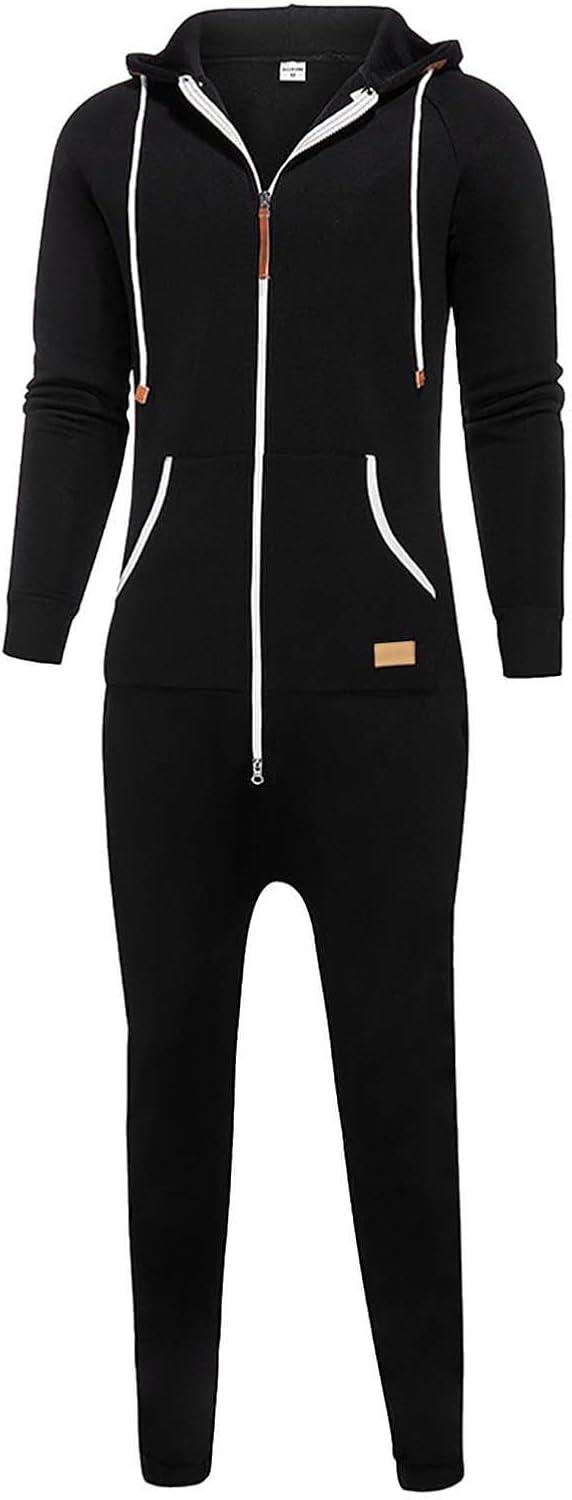
When we slide into the jumpsuit and run a hand along the inside, the fleece greets us as a short, dense nap rather than a lofty shag. The surface feels brushed—soft under the fingertips and nearly velour-like—so that our palm glides rather than snags. Up close, the pile catches the light in places and looks slightly matte in others; it lies close to the base layer and follows the curves of the body as we move, so the lining feels present but not billowy when the arms are down.
Touching the fabric while wearing it reveals how the pile sits and recovers: a firm press flattens the nap and leaves a faint hand-mark that smooths out with a few small shakes or when we slide our sleeve back into place. We notice the lining shifts at natural stress points—cuffs, the inner elbow and behind the knees—where the pile compresses with repeated motion and stays a touch flatter for a while. Reaching to adjust a seam or smooth a cuff, the fleece tends to cling lightly to the shell and to itself, which can create small bunched areas until we smooth them by hand; otherwise the pile settles back into an even layer across the torso and limbs as we settle into stillness.
We map the cut and how seams, the hood, and cuffs sit on our shoulders, torso, and legs
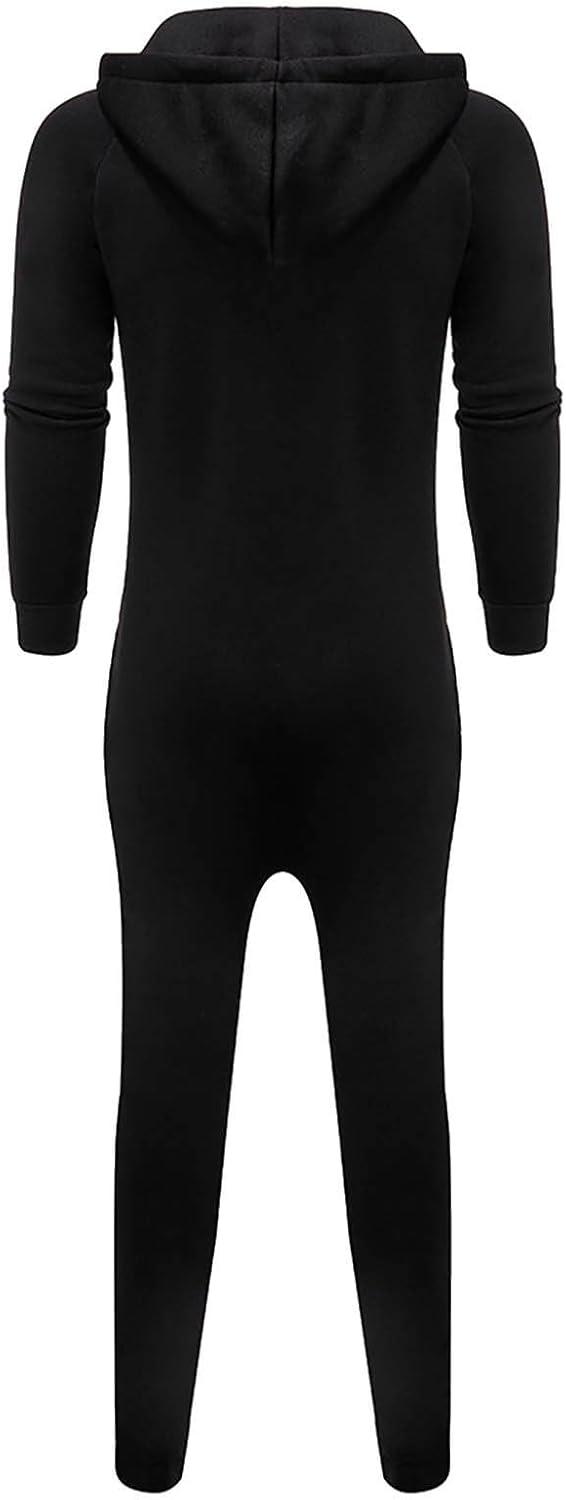
When we step into the jumpsuit and zip it up, the shoulder line and sleeve seams quickly tell us how the cut behaves.The shoulder seams generally fall near our natural shoulder points, and as we reach forward or shrug they glide a little toward the upper arm; we find ourselves smoothing that area once or twice until the fabric settles. The hood sits low on the back of the neck when down, creating a soft crescent of material rather than standing away from the head, and when we pull it up it tends to draw the neckline forward so the zip and collar feel slightly more taut across the chest.
Through the torso and hips, vertical seams follow the body without clinging tightly; when we sit the fabric relaxes, and the crotch seam can feel a touch more pronounced until we adjust our position. The cuffs at wrists and ankles gather the fabric into small folds and usually hold in place, though raising our arms makes the sleeve seams inch up the forearm and sometimes prompts a fast tug to bring them back down. While moving — walking, bending, crossing our legs — the seams shift subtly, creating momentary pulls and slumps that we unconsciously correct by re-smoothing the fabric or nudging the hood. These are the everyday micro-adjustments that map how the garment lives on our shoulders, torso, and legs over the course of normal wear.
When we move, how the fabric follows our reach, crouch, and relaxed sitting positions
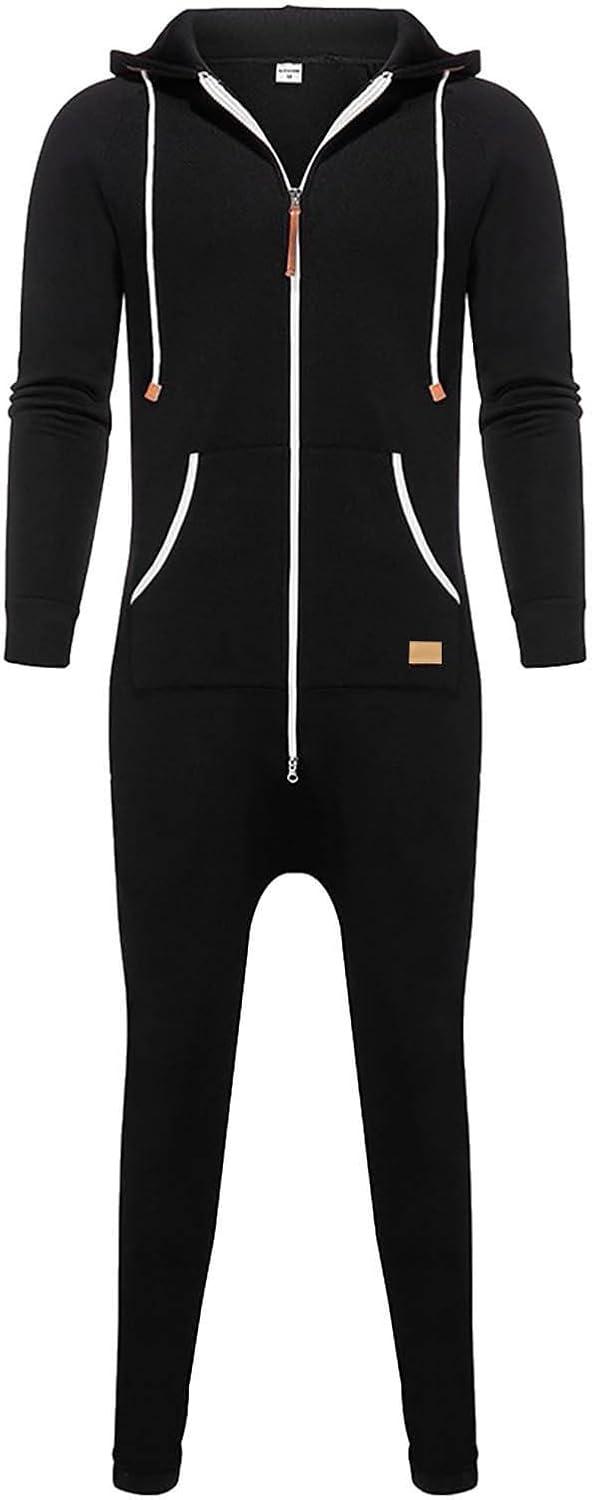
When we reach,the torso fabric stretches upward and the lower hem tends to lift a few inches,so the zip line and mid-back feel a little more taught than before we raised our arms. Sleeves nudge up over the wrists on reach—more often when our arms are already warm—so we find ourselves tugging cuffs down or smoothing the forearm fleece back into place. The hood follows the shoulders rather than the head when we stretch, pulling the neck area slightly and causing a soft wrinkle along the shoulder seams; at times the zipper register shifts a hair, which we notice mostly as a change in how the front panel lies against our chest.
When we crouch and when we sit relaxed, movement maps differently. Crouching pushes the fabric forward across the thighs and around the crotch seam, producing horizontal folds above the knees and a slight ride-up at the rear of the hem; the legs gather just below the knee and occasionally require a quick smooth-down as we stand. In relaxed sitting positions the material relaxes into gentle folds around the hips and lower back, and the seat softens where our weight meets the fabric so the inner lining settles inward. Over the first few minutes of moving around the garment settles into these patterns—small habitual adjustments,like shifting a sleeve or smoothing the thigh,are common—while longer periods of activity exaggerate seam tension and pooling in predictable spots for most wearers.
Where the jumpsuit aligns with our expectations and the practical limits we encountered in everyday use
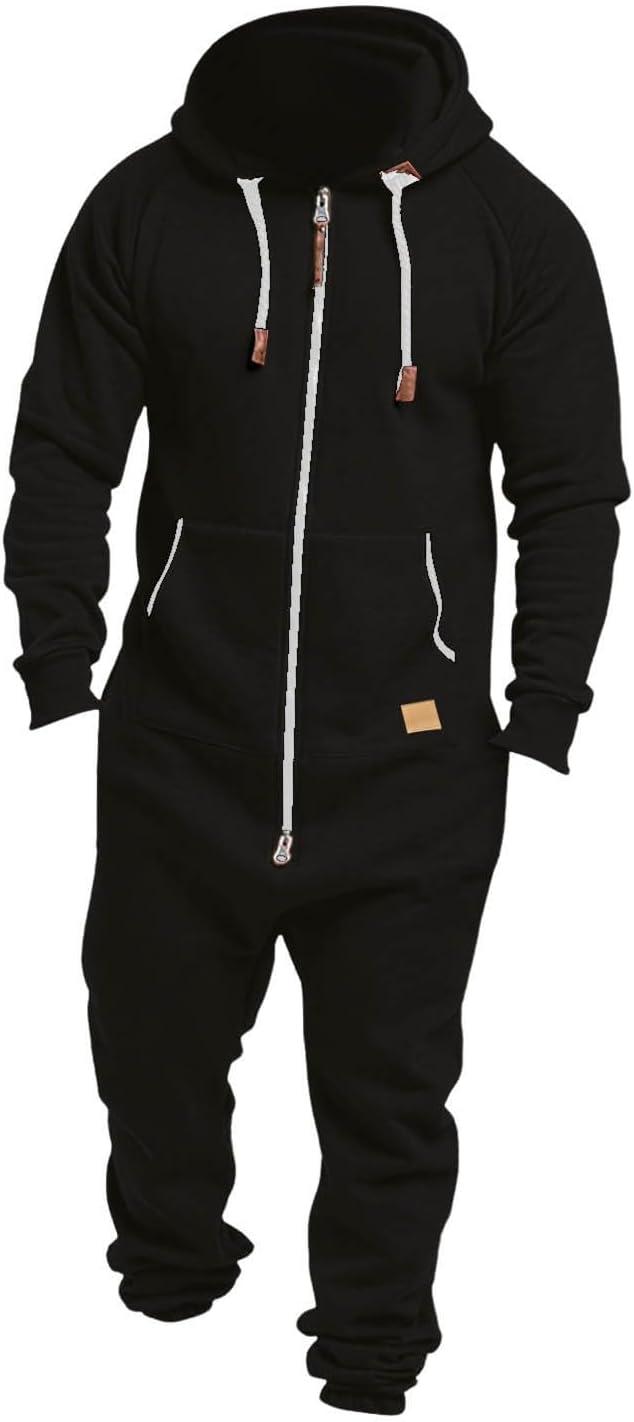
During everyday wear, the jumpsuit generally behaves as expected in a casual, at-home setting. While moving from couch to kitchen or walking a short distance outside,the zip works smoothly and the hood settles around the neck without constant fidgeting,so the garment keeps a consolidated,one-piece feel. Pockets hold small items without flaring the front, and the lining remains soft against bare skin when seated for periods of time. Small, habitual gestures — smoothing the fabric across the thighs or giving the cuffs a quick downward tug — tend to restore the silhouette after shifts in posture, and the overall shape keeps warmth concentrated around the torso in most short-duration activities.
practical limits become apparent over longer stretches or during more active motions. When leaning forward or kneeling, the crotch and inner thigh area can feel a little taut and prompts brief readjustments; the zipper area may also pull slightly when seated for a long time, creating a tendency to smooth the front. Sleeves creep up after repeated arm movements, and the hood can slump forward when reclining, so occasional manual repositioning happens without much thoght. The interior lining picks up lint and shows light pilling after repeated wear, and in milder indoor conditions the combined construction can trap more heat than expected, which leads to short moments of perspiration. These are observed tendencies rather than constant issues, and they surface mostly after hours of wear or during specific activities.
View full specifications and colour options on Amazon
We record daily wear observations: pocket access, zipper behavior over time, and laundering notes
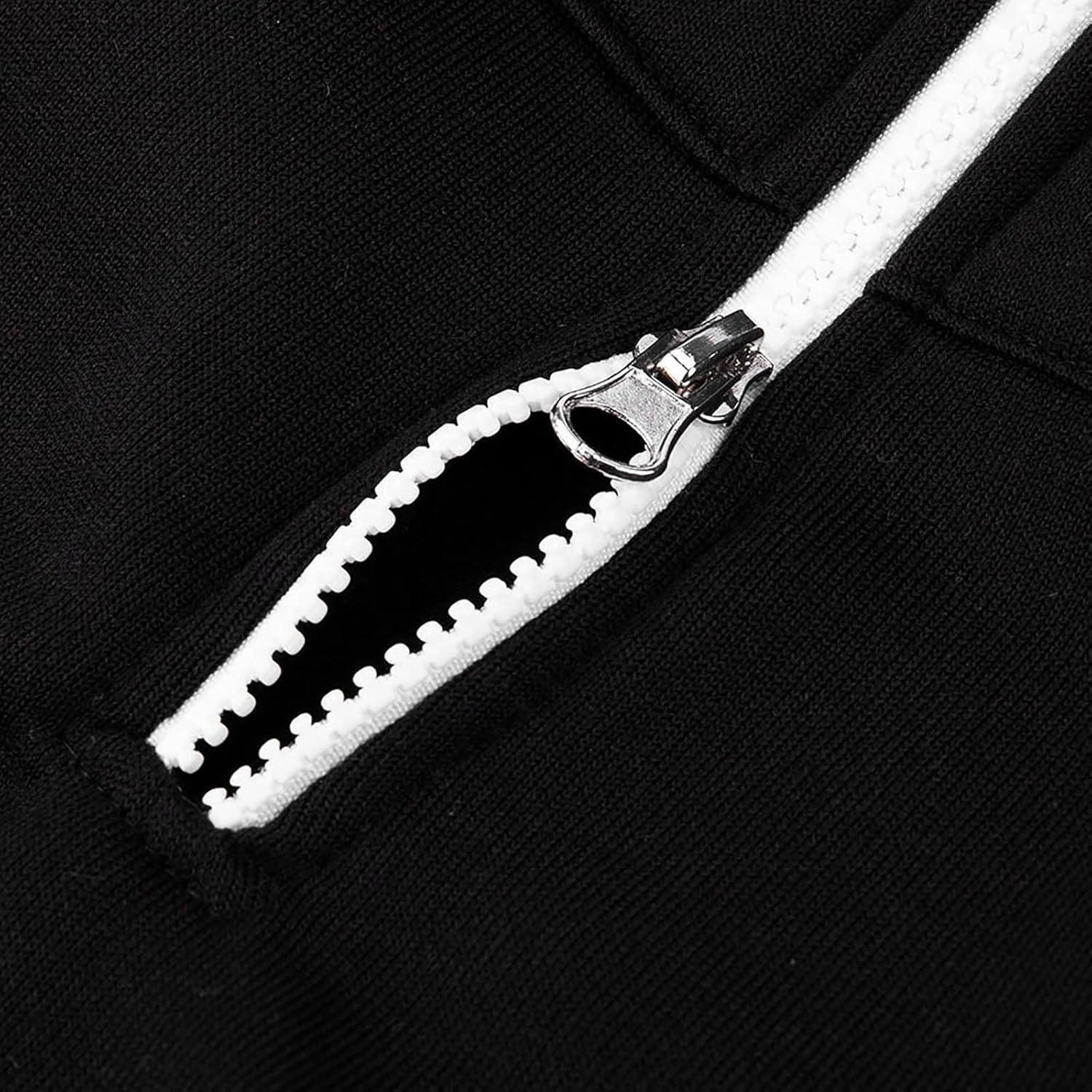
When we wear the jumpsuit around the house, reaching into the side pockets happens without much thought, which reveals how they behave in motion. While standing or walking the hand pockets sit where our palms expect them; when we crouch or sit the openings shift forward and the mouth can angle outward, so coins or a phone tend to slide toward the thigh. the pocket bags are roomy enough for small everyday items, and over a day of use we catch ourselves smoothing the fabric around the opening or nudging a seam so the hand can find its way in more easily.
The center zipper shows a small break‑in period. At first pulls it feels a touch stiff and the slider requires a deliberate hand, and on a couple of quick tugs the inner fleece can catch at the teeth. After a few wears the action becomes smoother and the slider glides with less resistance, though we still sometimes pause to realign the track if the zip is hurriedly closed while bending. When we lie back or lean the zipper head sits against the chin area and we’ll unconsciously shift the hood or collar to relieve that contact.
Laundry changes the garment in subtle, time‑based ways. After a handful of machine cycles (we washed on a gentle setting and mostly tumble‑dried low) the interior fleece sheds a little lint into the drum at first and softens up; pilling appears very lightly in high‑contact zones over several washes. We noticed the zipper behaved best when closed during laundering — leaving it open correlated with more fuzz caught in the teeth and a couple of times needing to brush lint away before a smooth zip. Drying on low tumble restored loft more quickly than air drying, which left the fleece flatter for longer.
Its Place in Everyday Dressing
We’ve found that the brand’s Mens Fleece Lined Hooded Jumpsuit Insulated Zip up One piece Pajamas Onesie Playsuit Jogger Sweatsuit Overall Romper moves quietly into the background as it’s worn, more companion than statement over time. In daily wear it softens and the fleece settles in, shaping itself around small habits and the ways our routine unfolds. Comfort becomes part of our behavior and fabric aging shows up as gentle, familiar marks of use. In regular routines it stays close at hand and simply settles.
As an Amazon Associate I earn from qualifying purchases.