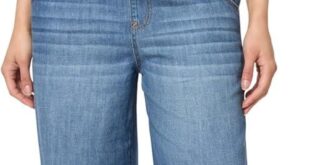
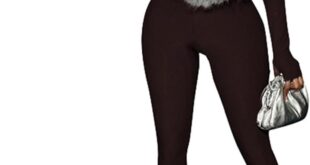
We spent a few days wearing the FaroLy Women Solid Color Rompers Thick Strap Sleeveless Adjustable Drawstring Waistband Long Jumpsuit Vacation Pants to see how it behaves off the rack. Right away the fabric registered as light and airy with a soft matte hand — thin without feeling clear — and it skims the body rather than clinging. The long silhouette drapes in clean lines: the legs fall straight from the drawstring while the thick straps and armholes sit flat and steady on the shoulders. As we moved, the material swayed easily and the waist gathered into soft folds; when we sat the seams smoothed rather of pulling, and the piece kept a breathable, lived-in feel against the skin. Those first moments wearing the romper felt quietly practical — visibly lightweight, calm in motion, and surprisingly comfortable to settle into.
What we saw at first glance: silhouette, shade, and the romper’s immediate weight
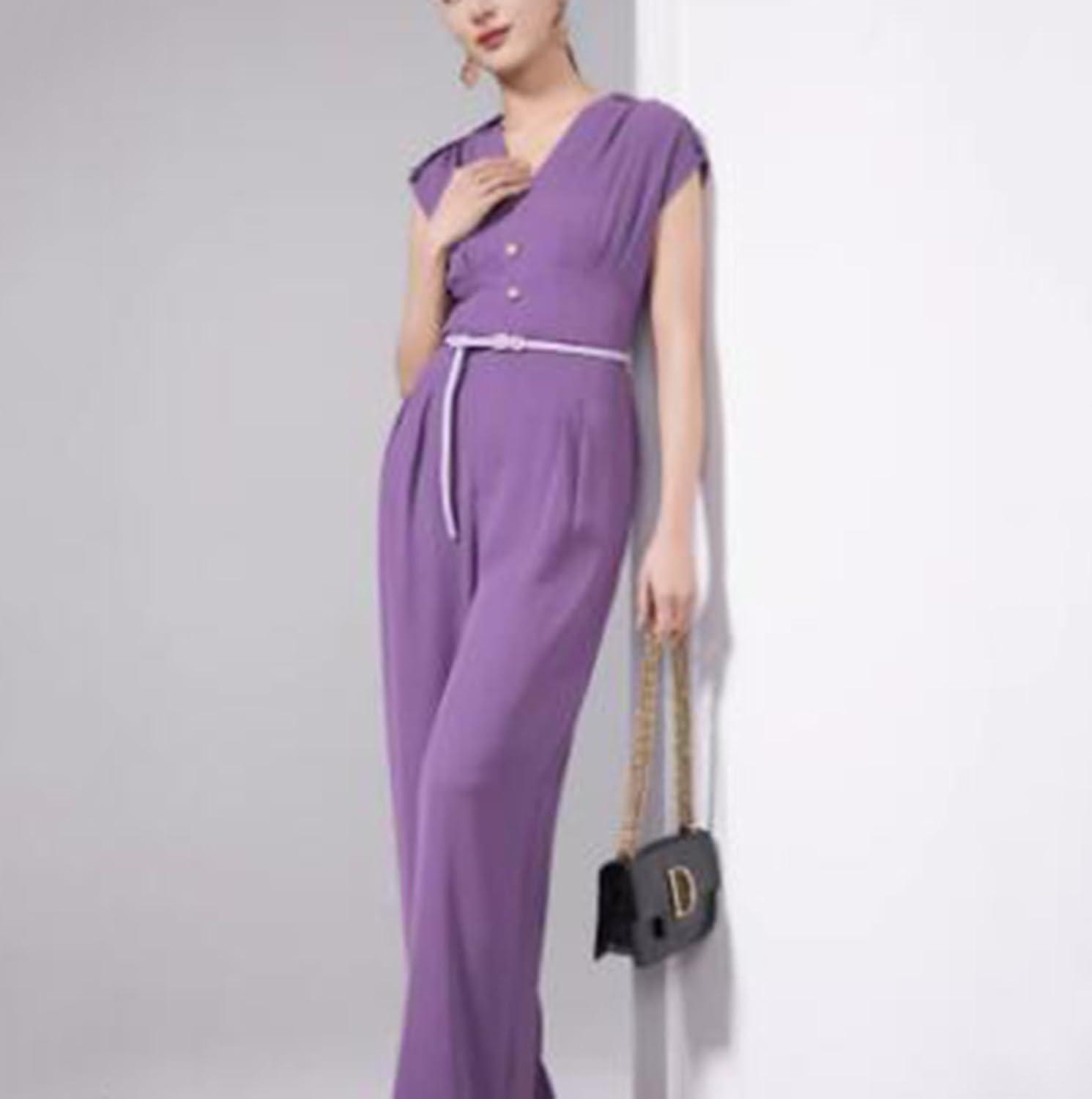
When we first stepped into the romper, the overall silhouette read as a relaxed, vertical line rather than a fitted shape. The straps sit wide on the shoulders and the top edge leaves the collarbone and upper chest fairly open, while the body below falls straight enough that the legs look elongated rather than flared.At the waist there’s a subtle break where the fabric gathers—enough to hint at definition without pinching—and that bloused area softens the transition between torso and pant. as we shifted from standing to walking, the garment kept that columnar impression but allowed for small, natural shifts where we smoothed the front or adjusted a strap out of habit.
The shade appears uniformly solid at a glance, though it shifts with light: under daylight it reads a touch warmer, and under indoor bulbs it darkens slightly, creating faint tonal differences across panels and folds. The immediate weight felt light on the body; it hangs without clinging,moving with us when we walk and drifting into soft creases when we sit. We noticed the hem and seams follow momentum—there’s a gentle sway at the legs and occasional tugging at the waist when we bend—so the first impression is of a piece that drapes easily and responds to small adjustments as we wear it.
How the fabric behaves under our hands: texture, thickness, and stretch
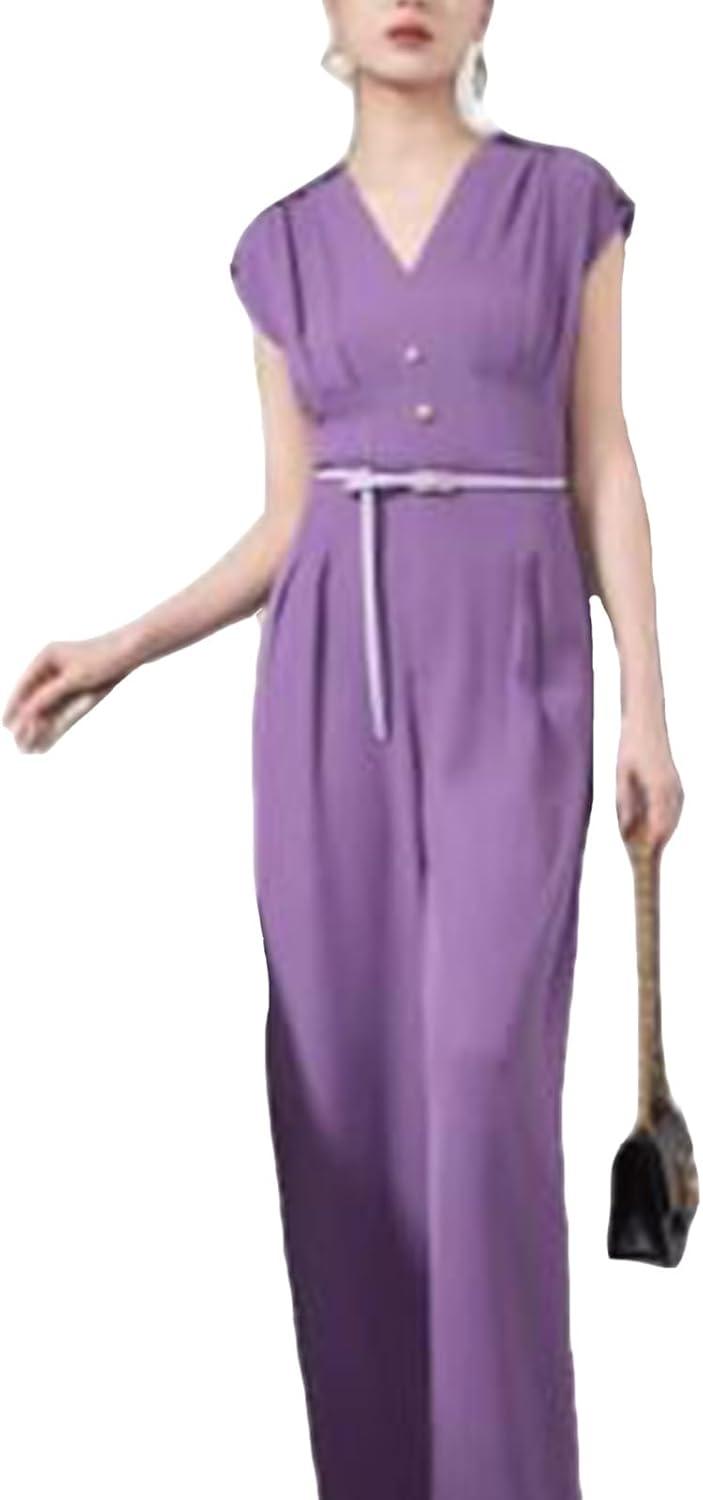
When we first lift the romper, the fabric greets our hands as cool and slightly silky rather than coarse — a smooth surface that slides under the fingertips but isn’t slick. Pinching a small fold between thumb and forefinger shows a thin, pliable layer: it gives with light pressure and then settles back, so the feel is more drape than structure. Running our palms down a leg or across the bodice, we notice a close-knit finish that hides texture from a distance but reveals a faint, fine grain up close.
as we move in it the material’s behaviour becomes clearer. The body of the fabric shifts easily with arm movements and steps, creating soft folds that flatten again when we smooth them; we find ourselves absentmindedly smoothing the waist and tugging at the straps after sitting. Stretch under tension is modest — the fabric yields a little where it is pulled but doesn’t balloon, while the gathered waist and seams accommodate more movement than the fabric alone. After a few hours of wear the hand loosens slightly and minor creasing appears where the garment bundles at the hips or behind the knees, then relaxes when the garment hangs; overall the fabric tends to move with the body rather than resist it.
Where the seams and straps fall on our bodies and how the cut frames the waist
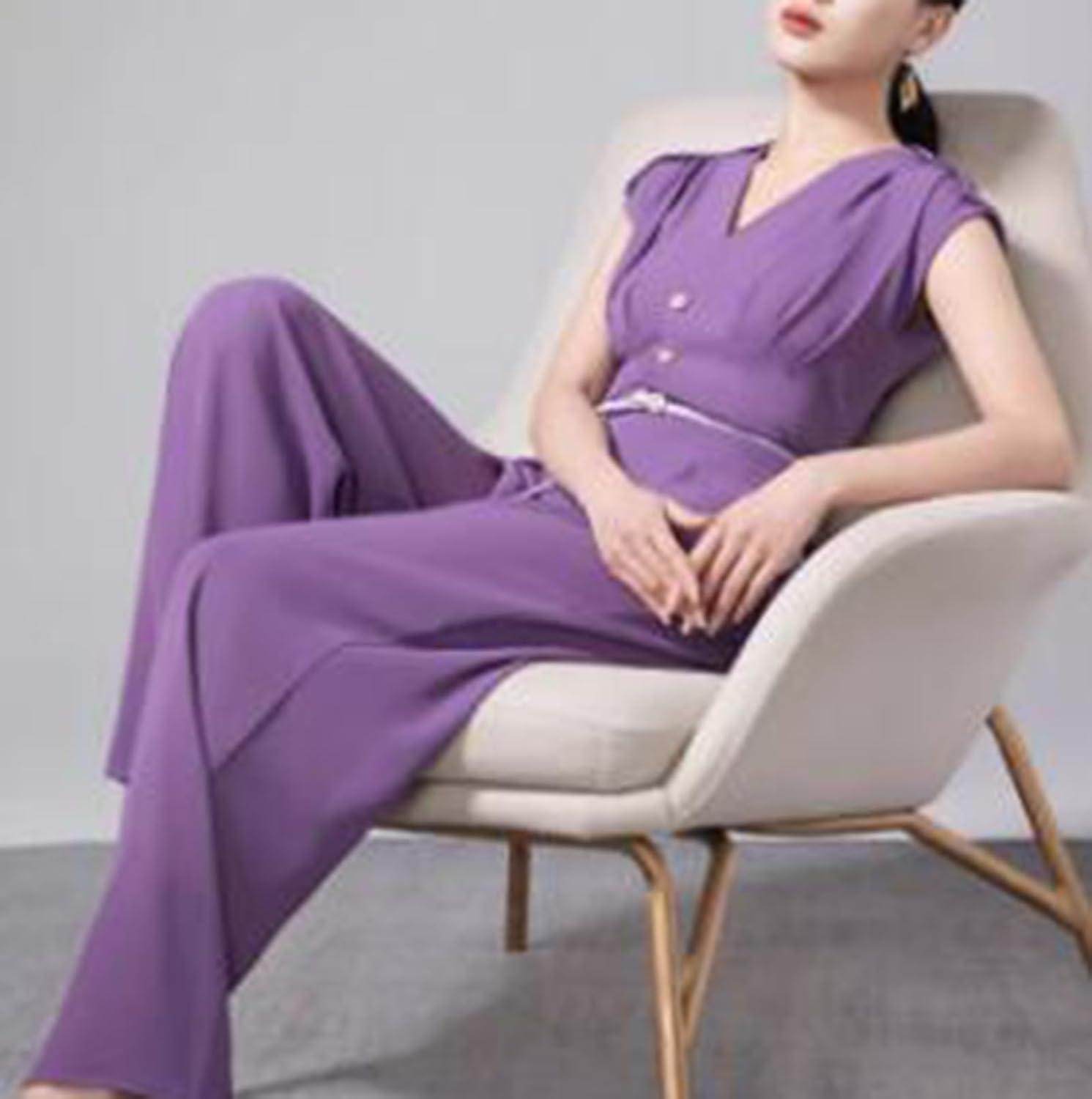
When we put the jumpsuit on, the wide shoulder straps sit mostly on the outer part of our shoulders, the seam connecting strap to bodice landing near the top of the arm rather than tucked into the armpit. The straps lie fairly flat at first, but with movement — reaching, turning, or slipping a bag strap over one shoulder — they can nudge inward toward the neck or shift slightly toward the arm.We often find ourselves smoothing the strap seam once or twice after we start moving,a small,unconscious adjustment as the fabric settles against the shoulder and upper back.
The waist seam reads as a clear horizontal line where the torso meets the pant portion, and the gathered band visually defines that point. When we tighten or loosen the drawstring the amount of blousing above the seam changes: more pull draws the fabric up a touch and makes the band sit more pronounced; looser, it relaxes and the top layer falls straighter. As we sit or stand the seam can creep a little — riding higher when we lift our arms or settling lower after a few minutes of walking — so the way the cut frames our waist is somewhat lively rather than fixed. Side seams run straight down from the armhole and help guide the fabric past the hip, but small shifts in posture or movement will alter how sharply the waistline appears from different angles.
How we move in it: walking,sitting,and reaching with the drawstring and legs
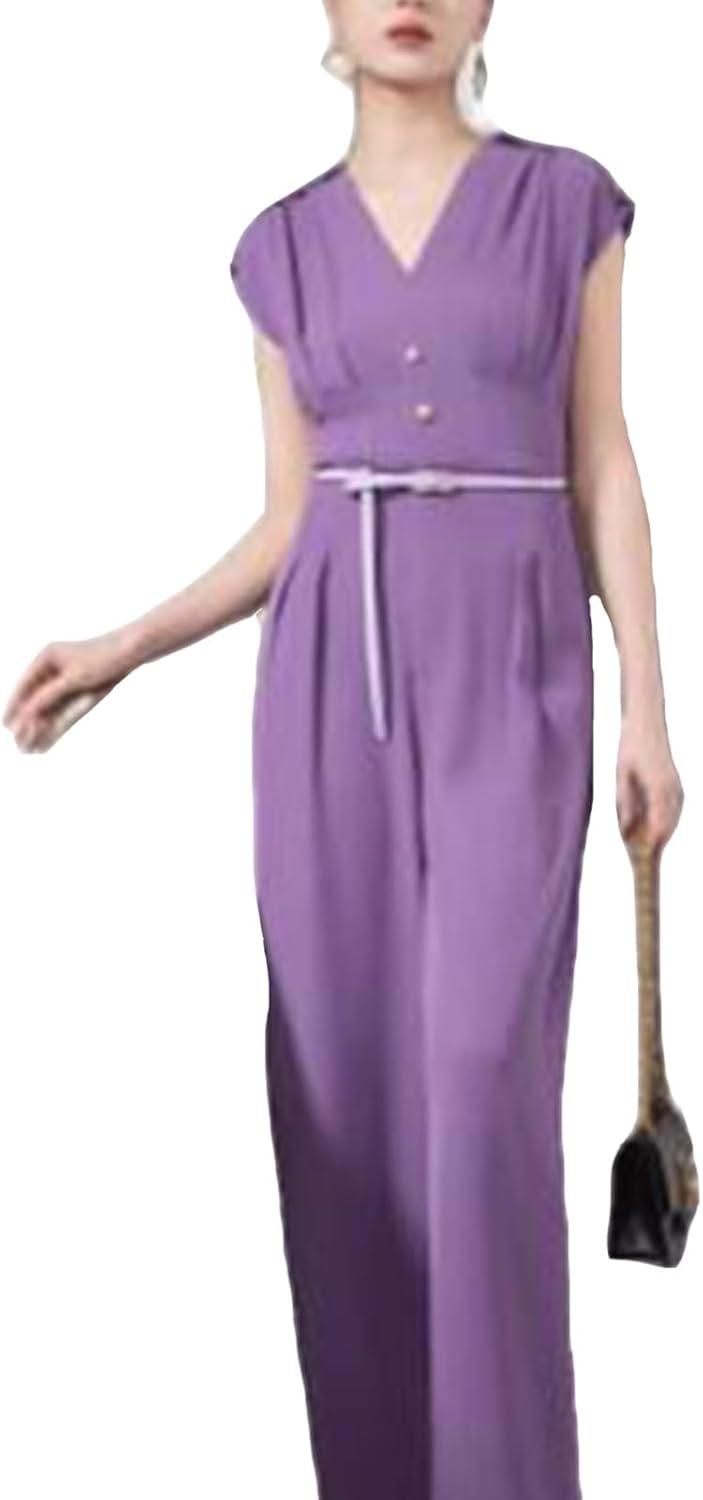
As we walk, the legs move with an easy, pendulum-like swing; the fabric follows each step rather than resisting it, and the silhouette softens as the hem heels and rises. On brisk walks or when we lengthen our stride, the crotch and inner seams occasionally feel a touch taut untill we shorten our step or smooth the fabric. We find ourselves subconsciously brushing the side seams flat and giving the waist a quick check — the motion of walking nudges the garment into slightly different positions against the body over the course of a few minutes.
When we sit, the jumpsuit compresses at the waist and the leg fabric gathers at the knee and upper thigh, forming gentle folds. the act of lowering into a chair can lift the torso section a little, and the placement of the waistband shifts forward or back depending on how we settle; smoothing and a brief tug at the waist are common, almost automatic gestures. Reaching overhead or forward also changes the garment’s balance: the drawstring can loosen or slide a fraction, and we sometimes re-tie or double-knot after a stretch. These small adjustments — smoothing, shifting a knot, tucking a seam — are the kind of unconscious habits that tend to accompany normal movement in this piece.
Where the jumpsuit met our expectations and where practical limits became clear during real use
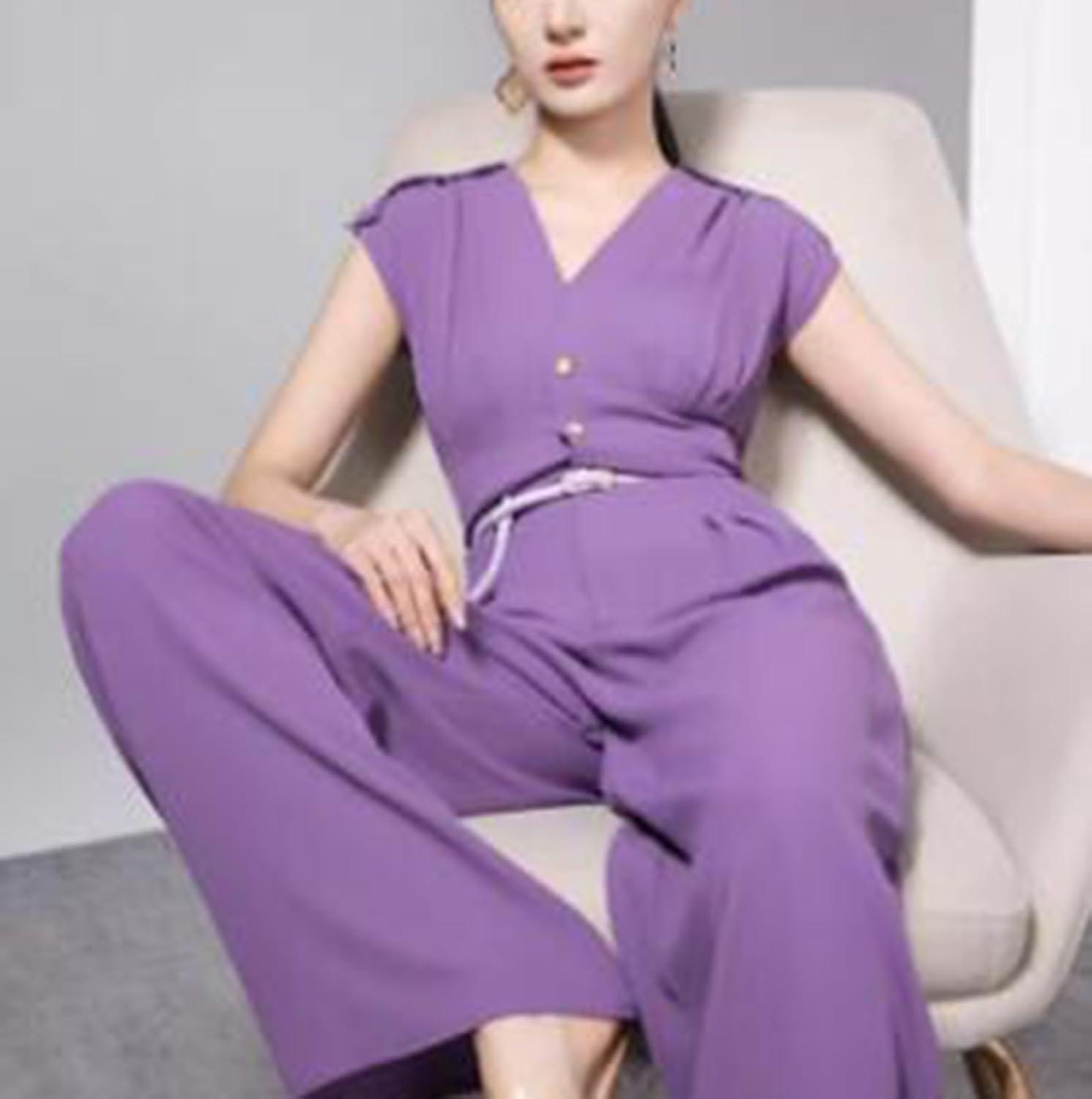
In actual wear the piece lived up to several practical expectations: it put on and took off with little fuss, the cut allowed for uncomplicated arm movement, and the waist drawcord proved effective at quickly changing the silhouette during a day out. During walking and light activity the garment generally retained its intended shape, and the loose legline moved with the body rather than constricting. Over the course of an afternoon we found ourselves smoothing the fabric at the hips and re‑seating the drawcord a few times — habits that felt natural rather than corrective.
Simultaneously occurring, a few limits became apparent through routine use. The long pants can gather at the hem when seated for long periods, and the seat area creased more noticeably after repeated bending; these effects developed gradually rather than instantly. The drawcord holds adjustment well for short bursts of movement but may need a discreet re‑tie after several hours. In humid conditions the fabric can cling slightly in places where it meets the body, and the looseness that makes the garment easy to step into also means occasional shifting of the waistline during busier stretches of activity.These are observed tendencies rather than immediate failures, and they unfolded across hours of wear rather than in a single moment.
View full specifications and available sizes and colors
A day with it: how creasing, shifting, and quick adjustments showed up while we wore it
From the moment we slipped into it, small adjustments became part of the day. When we first stood up after tying the drawstring,we smoothed the front out instinctively and gave the straps a quick nudge so they sat more evenly on the shoulders. As we walked to the bus and later climbed a few flights of stairs, the fabric swayed and the legs rode up a touch, creating shallow folds around the knees that we smoothed down with our hands without thinking about it.
Periods of sitting highlighted different tendencies. After an hour at a café table the front gathered into horizontal creases across the hips, and the inner thighs showed faint vertical lines where the material folded; standing up, we typically eased those out by pulling the sides and retightening the drawstring slightly. Light shifts in the waistband happened over longer stretches of wear — it could slide lower after leaning forward repeatedly, prompting a brief hitch-and-smooth motion to restore the line.
Throughout the day there where small, unconscious habits: we shifted seams back into place when they slid with movement, smoothed a wrinkle before taking photos, and brushed a stray fold from the leg when sitting down at a restaurant. These moments weren’t constant, but they recurred in predictable ways depending on whether we were moving, seated, or reaching — a rhythm of minor adjustments that accompanied ordinary activity.
Its Place in Everyday Dressing
We notice that,over time,the piece doesn’t shout so much as ease into the margins of our mornings. Wearing the FaroLy Women Solid Color Rompers Thick Strap Sleeveless Adjustable Drawstring Waistband Long jumpsuit Vacation Pants a few times, in daily wear the fabric softens and the comfort shows up as a steady, low-key ease. As it’s worn in regular routines the fit loosens a touch, small signs of use settle in, and we find ourselves reaching for it out of habit rather than decision. After that, it simply becomes part of rotation.
As an Amazon Associate I earn from qualifying purchases.