Bathrooms inspired by Japanese aesthetics embody tranquility and understated elegance. They seamlessly blend minimalist design principles with a profound appreciation for nature, crafting a sanctuary of calm within your home. Let’s delve into the distinctive features of Japanese bathroom design and discover how to infuse these elements into your personal space.
Key Features of Japanese Bathroom Design
The Ofuro: Deep Soaking Tubs for Ultimate Relaxation
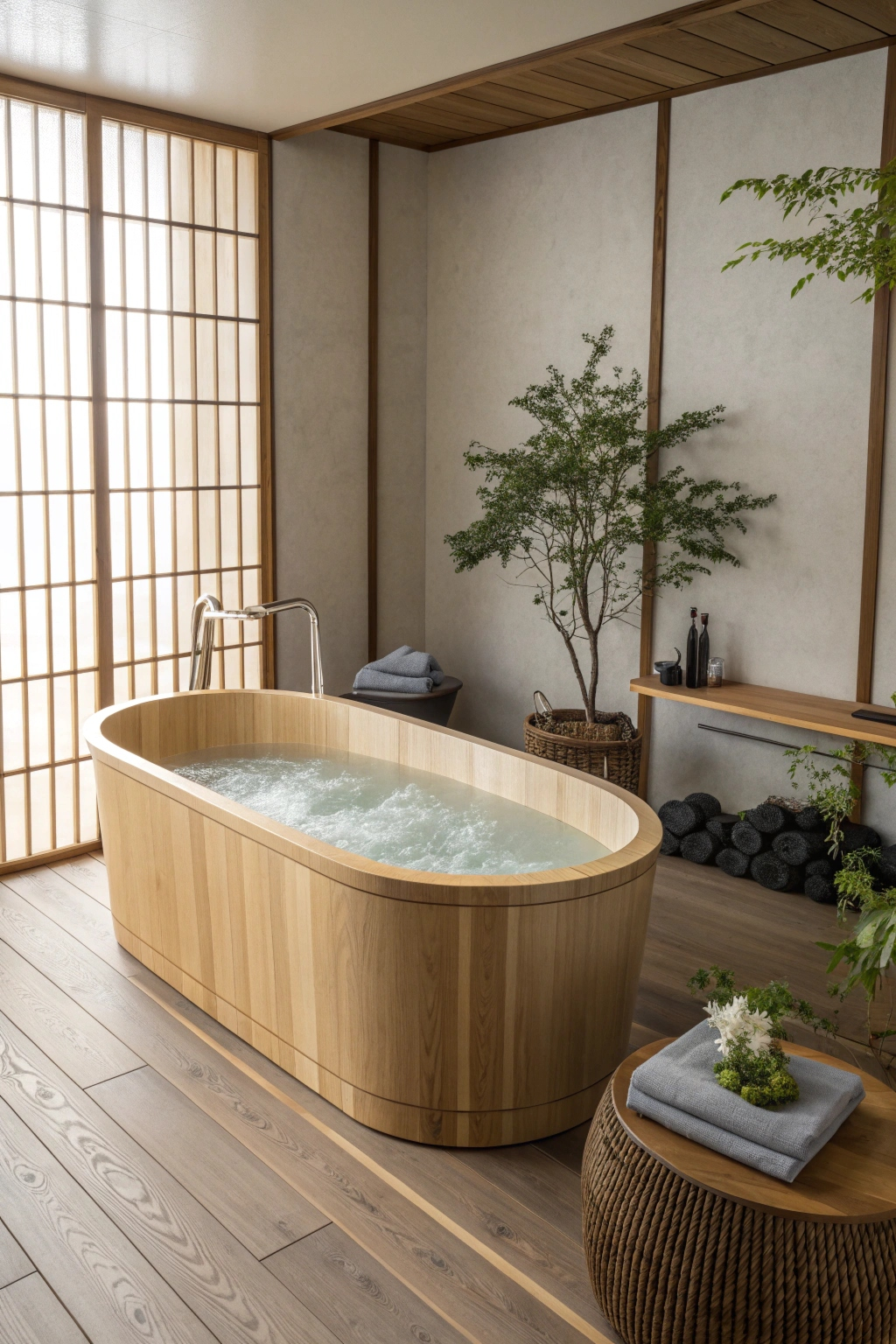
The Ofuro soaking tub is a hallmark of Japanese bathing culture, designed to offer a profound and immersive experience. Unlike conventional Western tubs, the Ofuro is notably deeper, allowing full-body submersion that promotes relaxation and stress alleviation. Its vertical structure envelops the bather in warmth, enhancing circulation and mental rejuvenation. Incorporating an Ofuro soaking tub into your bathroom can transform your daily routine into a meditative ritual.
Shoji Screens: Elegant Light Diffusers and Privacy Enhancers
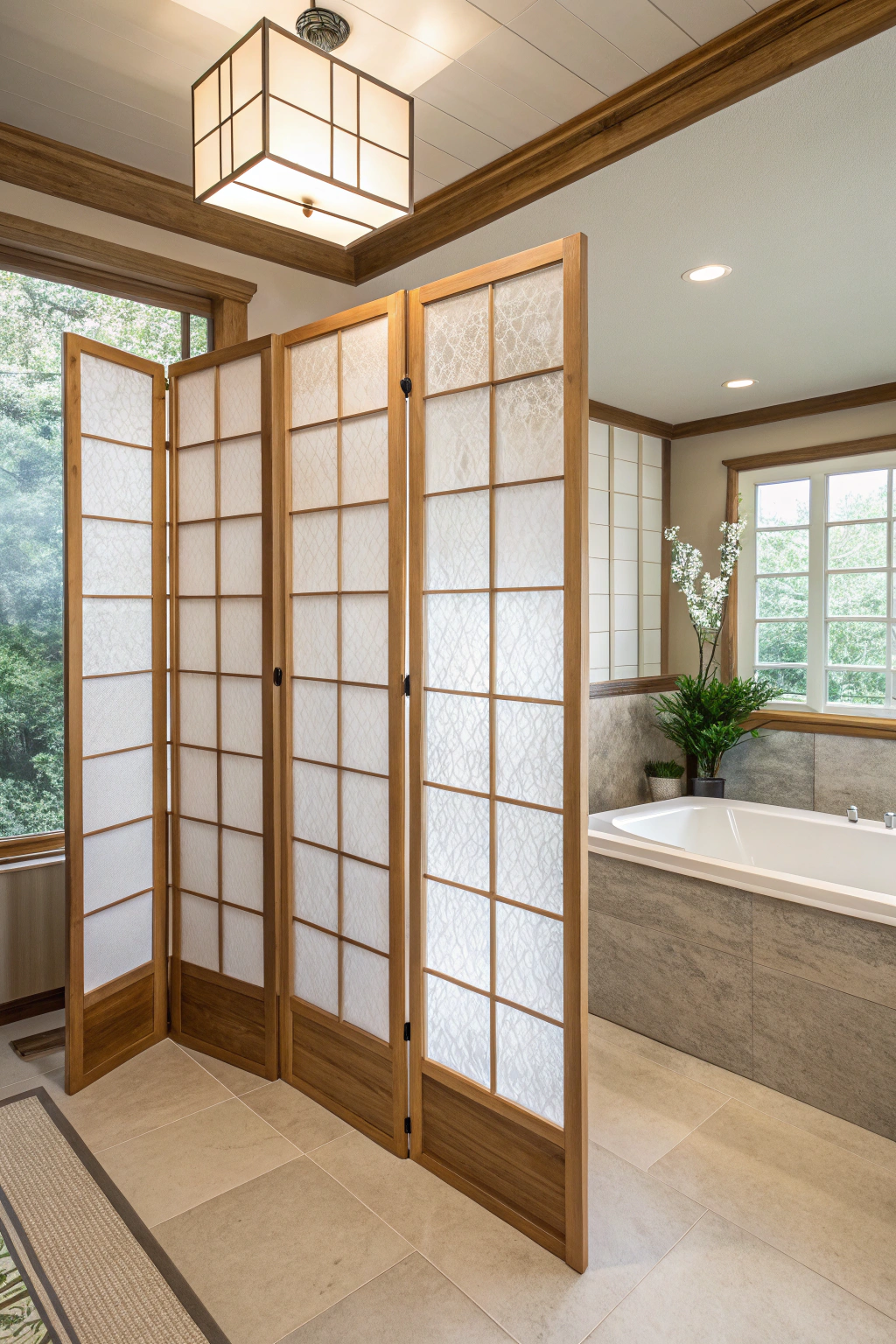
Shoji screens, crafted from delicate translucent paper framed by wood, are quintessential in creating a serene ambiance. They softly diffuse natural light, bathing the bathroom in a gentle glow while maintaining privacy. These versatile screens can function as sliding doors, window treatments, or room dividers, adding both functionality and a refined aesthetic. For a modern twist, consider pairing shoji screens with frosted glass elements to enhance light flow.
Embracing Natural Wood for Warmth and Texture
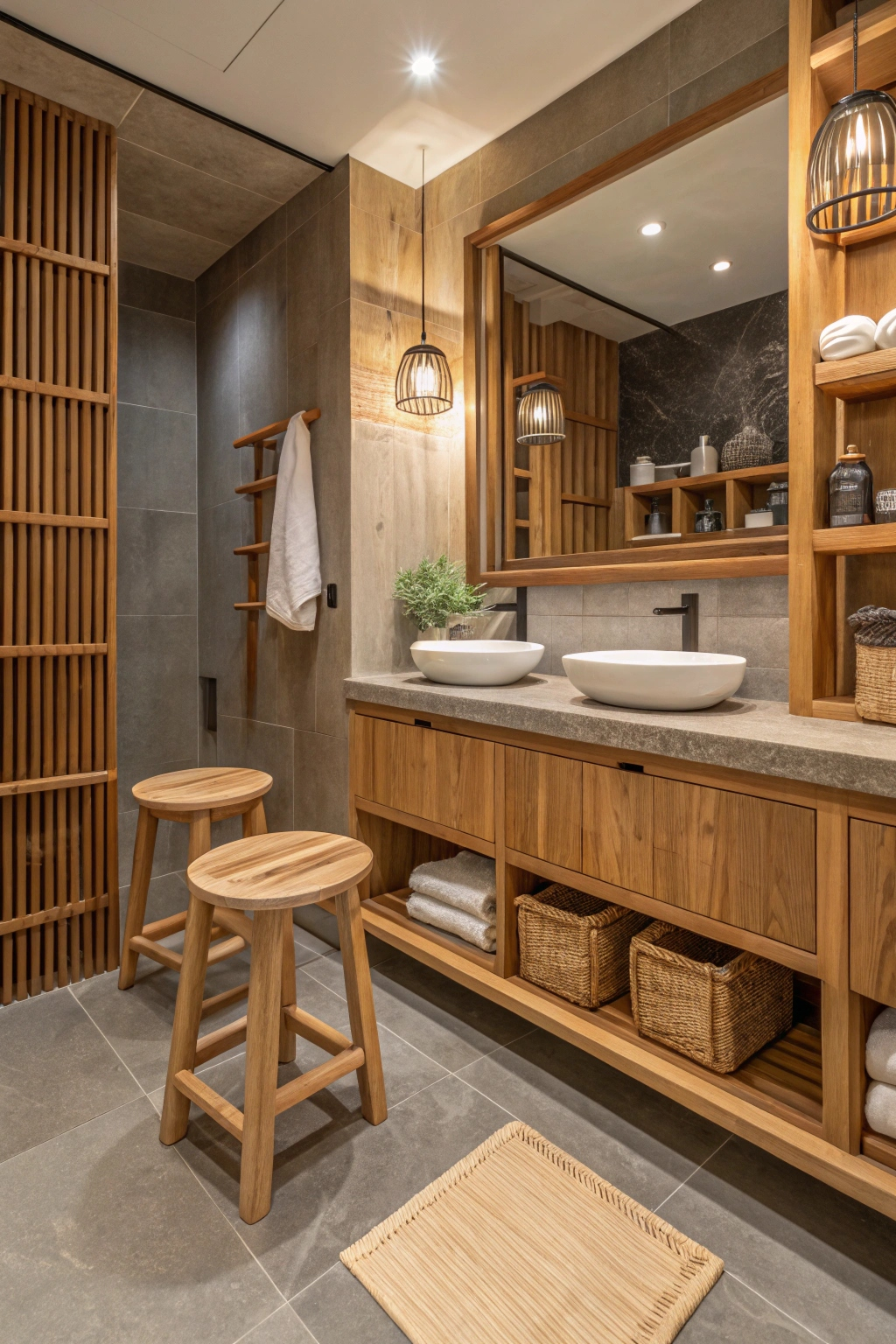
Integrating natural wood into your bathroom design introduces warmth and tactile richness, fostering a connection to the outdoors. Elements such as teak or bamboo shelves, stools, and countertops contribute to a harmonious and inviting atmosphere. The unique grain patterns and hues of wood complement other natural materials, enhancing the overall aesthetic. For durability in humid environments, opt for treated or naturally moisture-resistant woods like teak or cedar.
Zen Garden Touches: Cultivating Calm with Natural Accents
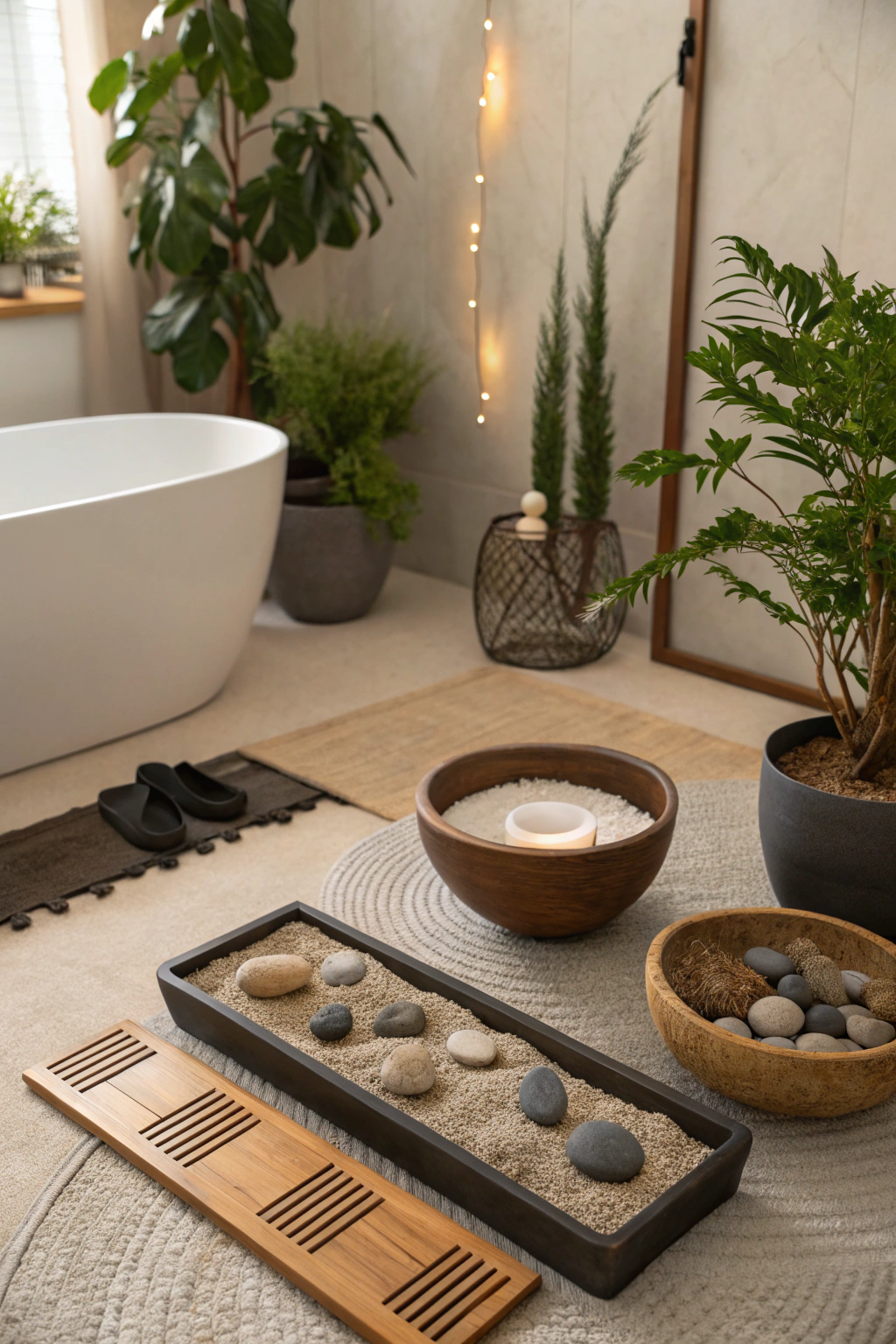
Incorporating Zen garden elements such as smooth pebbles, sand, and stones can significantly elevate the peaceful vibe of your bathroom. These natural components can be artfully arranged in trays or small bowls, or even crafted into a miniature raked sand garden. This not only brings a tactile connection to nature but also encourages mindfulness and relaxation during your bathing ritual.
Subtle and Functional Lighting Solutions
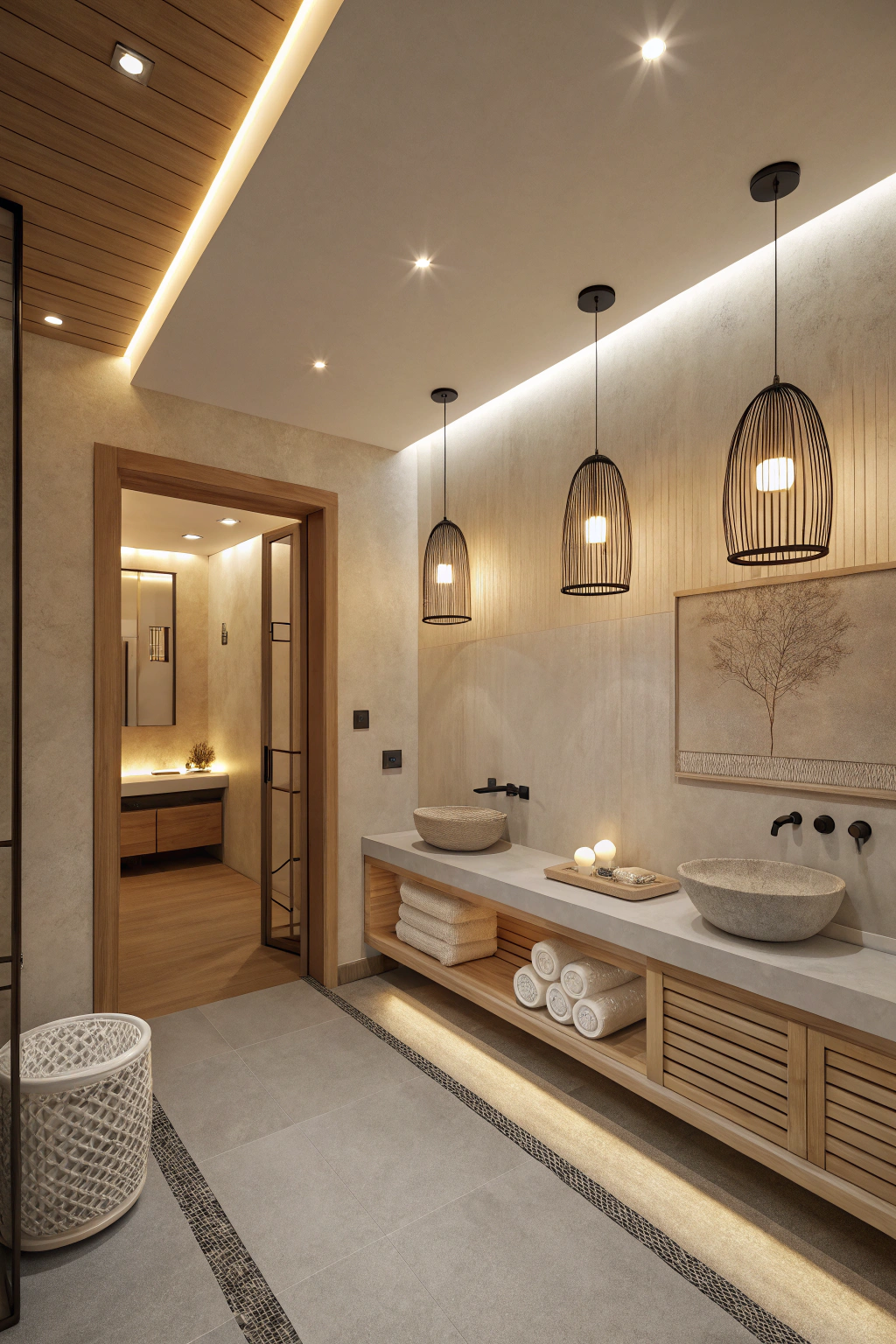
Lighting plays a pivotal role in setting the mood of a Japanese-style bathroom. Opt for fixtures that emit soft, ambient light without overpowering the space. Recessed lighting, simple pendant lamps, or wall sconces with clean lines work well. Installing dimmable lights allows you to tailor the brightness to your needs-bright for grooming or subdued for unwinding. Consider minimalist bathroom lighting options to maintain the serene atmosphere.
Stone Sinks: Durable and Aesthetic Focal Points
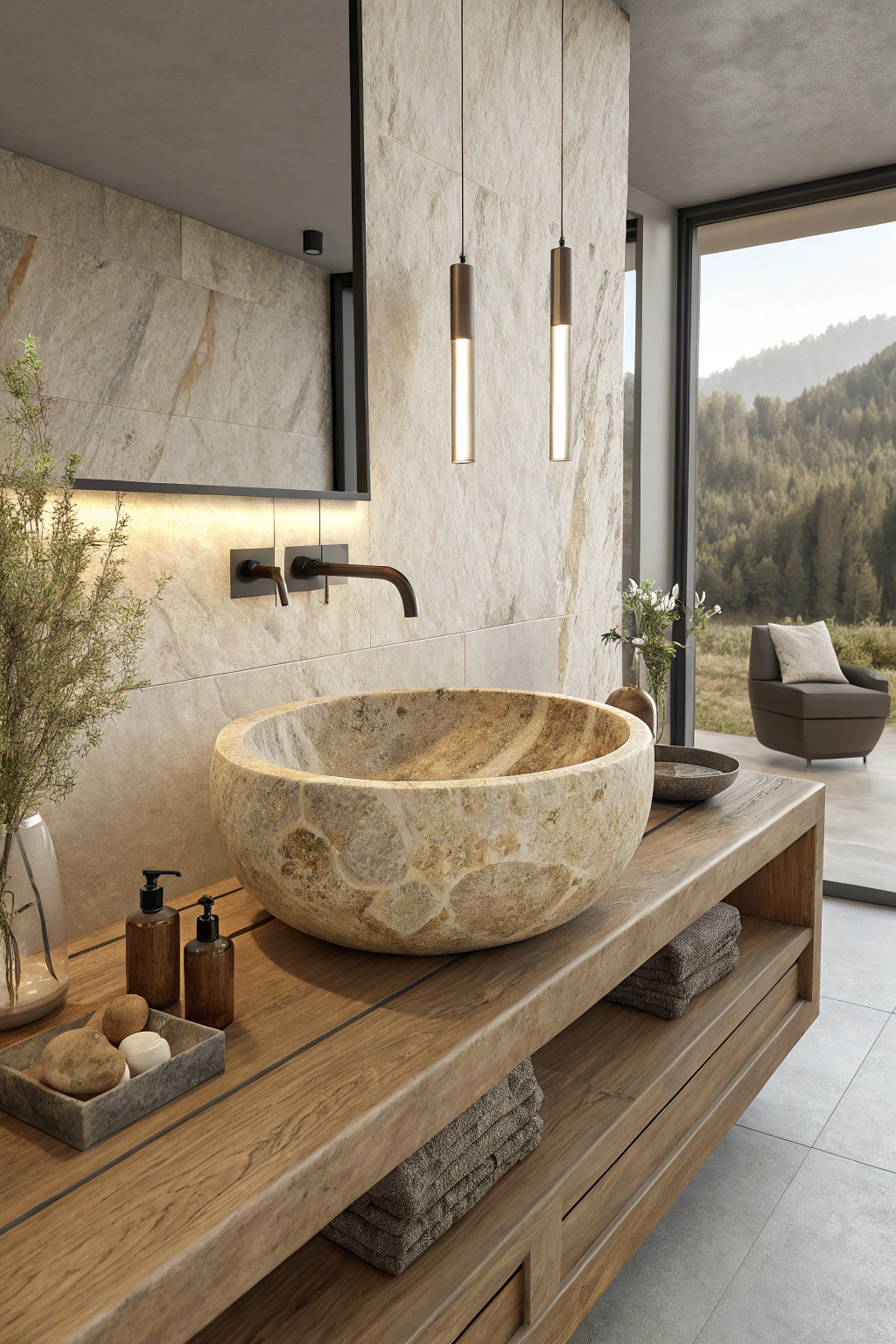
Stone sinks, crafted from materials like granite, marble, or river rock, introduce a natural and robust element to your bathroom. Their unique textures and color variations make each piece one-of-a-kind, adding a luxurious touch. These sinks not only enhance the visual appeal but also offer longevity and ease of maintenance. Explore stone bathroom sinks to find options that suit your design vision.
Eco-Friendly Bamboo Accessories
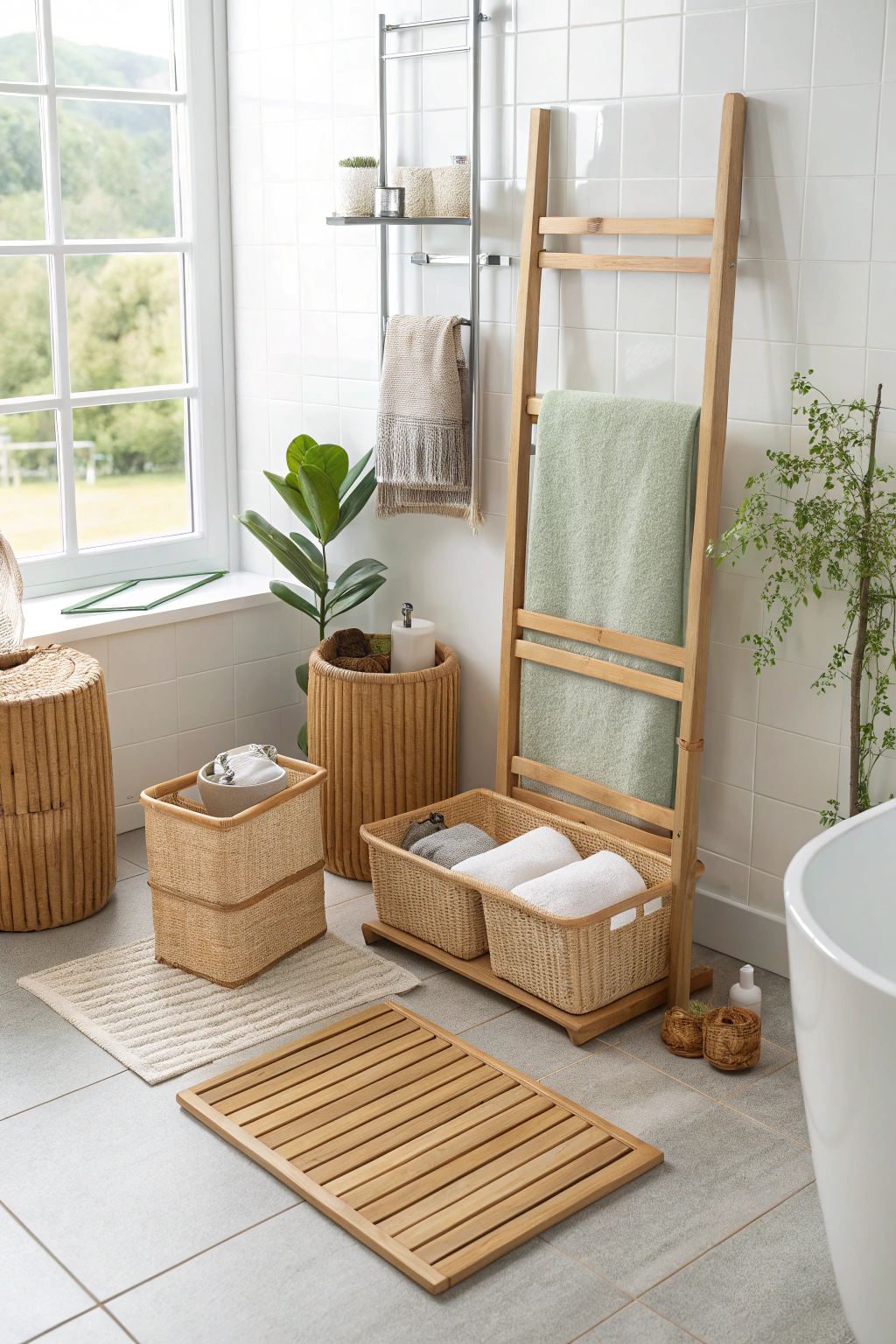
Bamboo is a sustainable and moisture-resistant material perfect for bathroom accessories such as bath mats, towel racks, and storage baskets. Its light tone and smooth finish blend effortlessly with natural wood and stone elements, reinforcing the eco-conscious ethos of Japanese design. Bamboo’s durability and antibacterial properties make it a practical choice for humid spaces.
Tatami Mats: Traditional Flooring for Comfort and Style
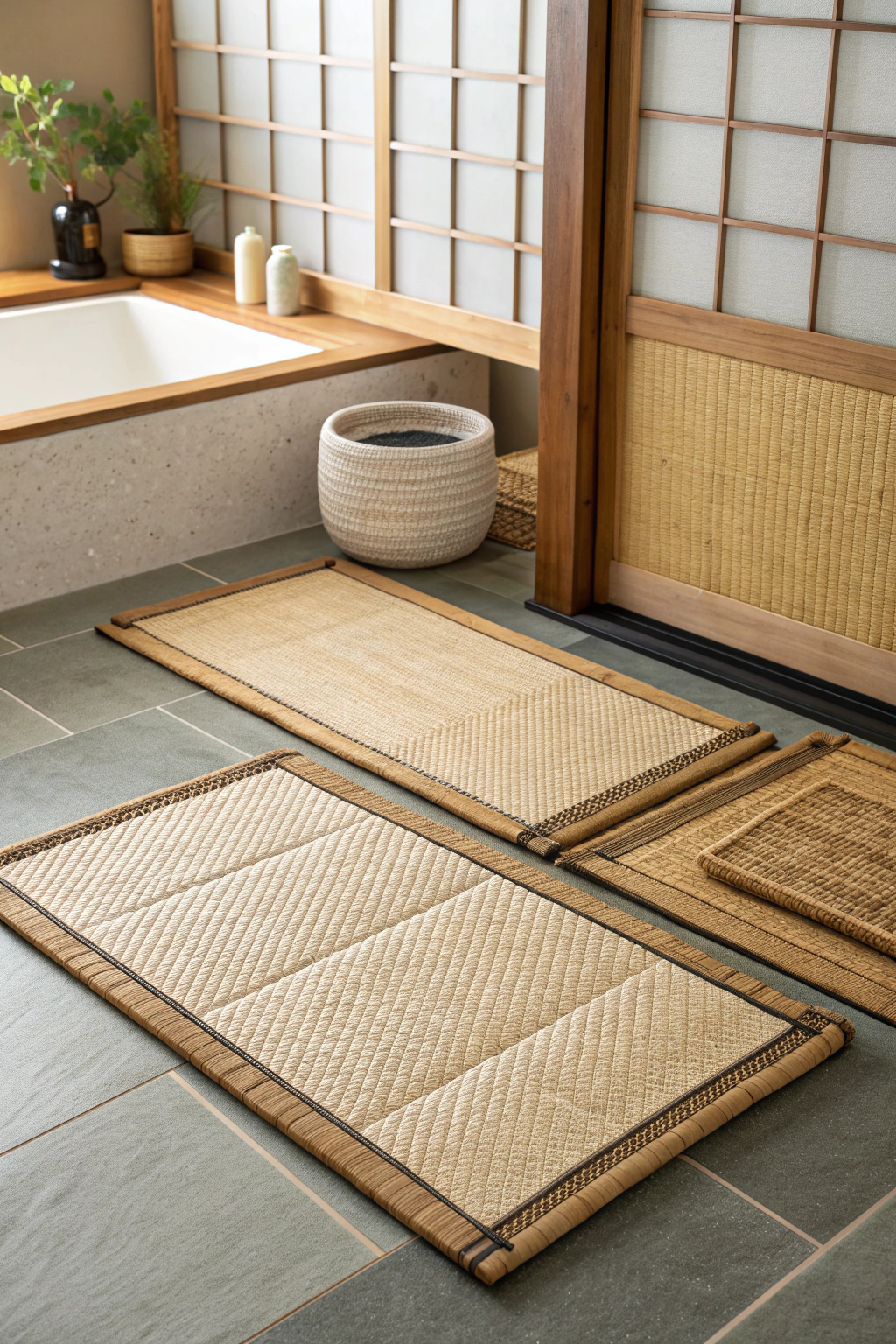
Tatami mats, woven from straw, offer a soft, natural surface that adds warmth and authenticity to your bathroom. Traditionally used in Japanese homes, these mats bring a subtle fragrance and tactile comfort underfoot. They can be used as floor coverings or decorative accents, enhancing the room’s tranquility and inviting a sense of calm.
Sliding Glass Doors: Merging Modernity with Openness
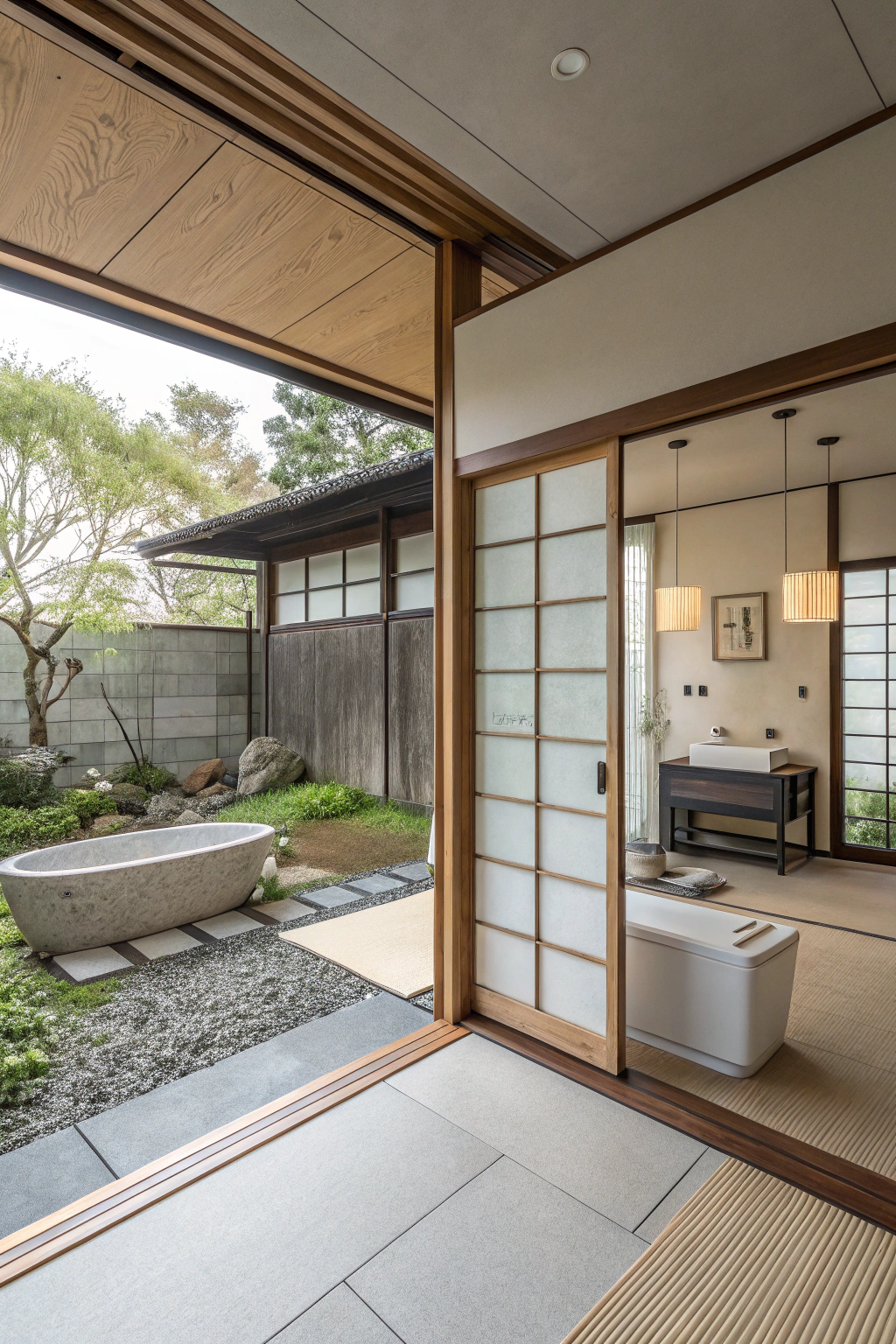
Sliding glass doors are an excellent way to maintain the open, airy feel characteristic of Japanese bathrooms while adding a contemporary edge. They allow natural light to permeate the space, making even compact bathrooms feel larger and more inviting. Their sleek design complements minimalist interiors and enhances functionality.
Japanese Lanterns: Soft Illumination with Cultural Charm
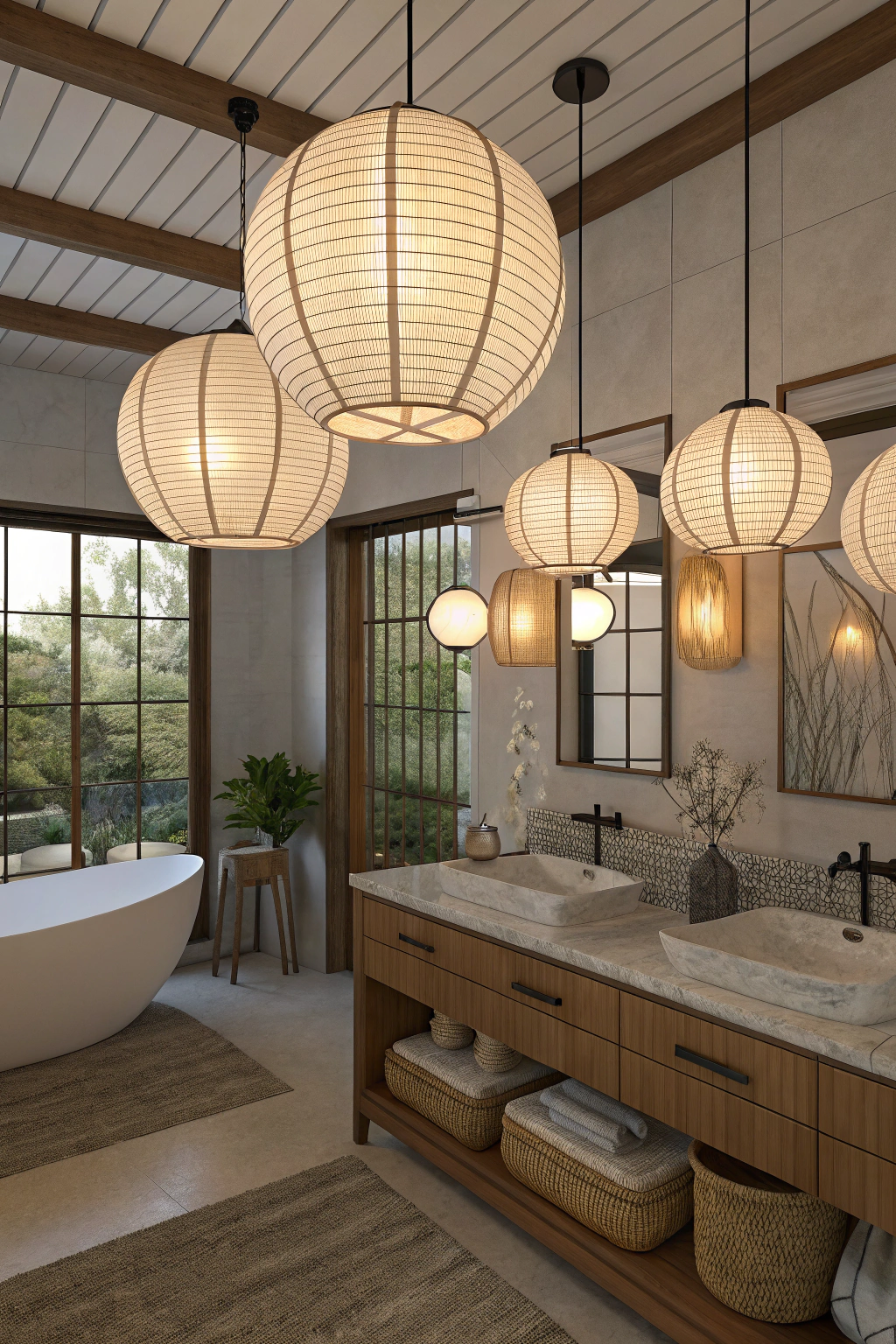
Japanese lanterns, often made from paper or fabric with wooden frames, provide gentle, diffused lighting that enhances the bathroom’s peaceful ambiance. Available in various shapes and sizes, these lanterns can be suspended from the ceiling, placed on countertops, or used as floor lamps, adding both function and aesthetic appeal.
Calming Color Schemes: Muted and Earthy Tones
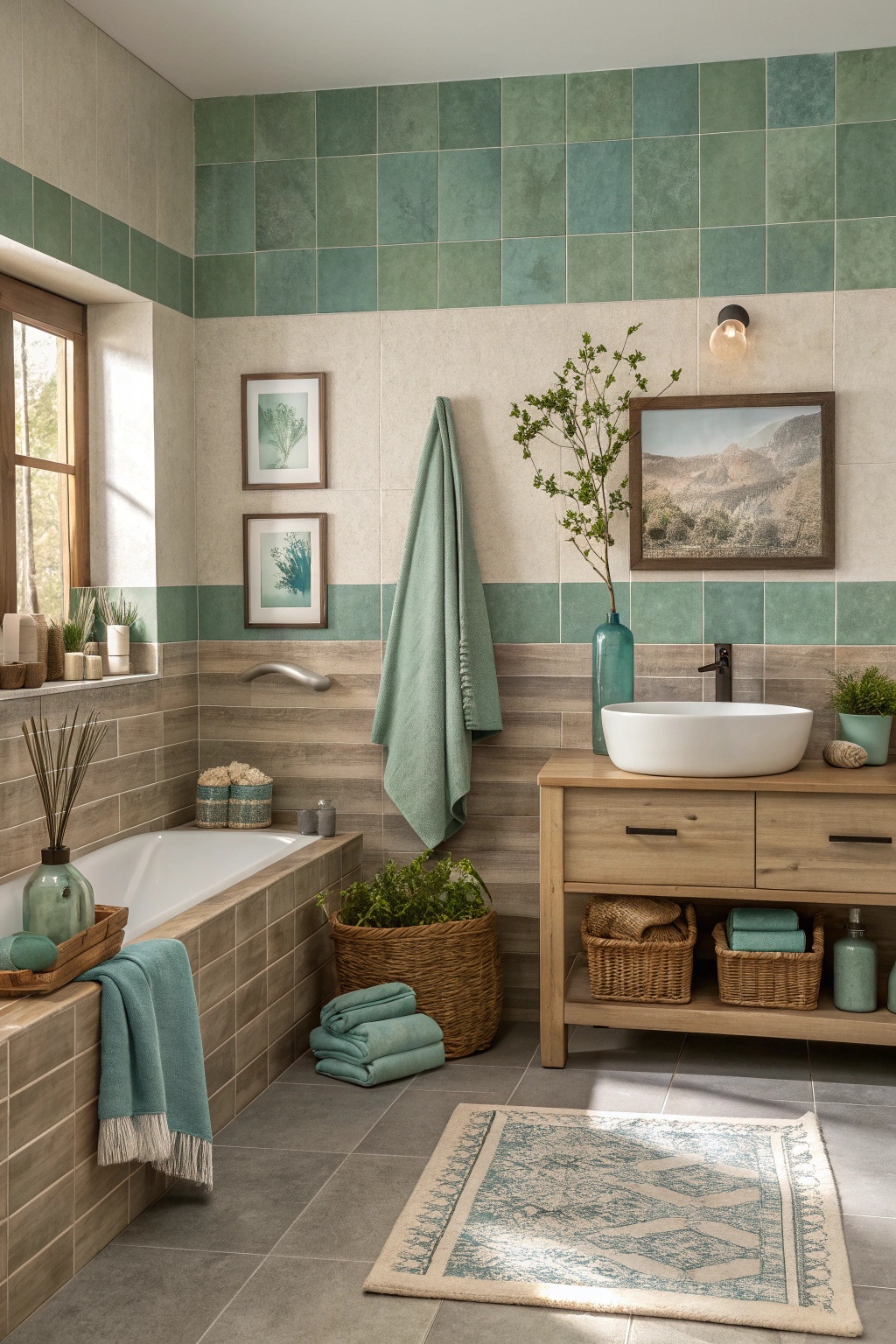
Adopting a subdued color palette is vital for cultivating a serene bathroom environment. Earthy shades like beige, soft browns, and taupe create warmth, while muted greens and blues introduce subtle color without disrupting tranquility. Crisp whites symbolize purity and simplicity, often used to balance the palette. These tones reduce visual noise, fostering a peaceful retreat.
Natural Stone Tiles: Durable and Textured Surfaces
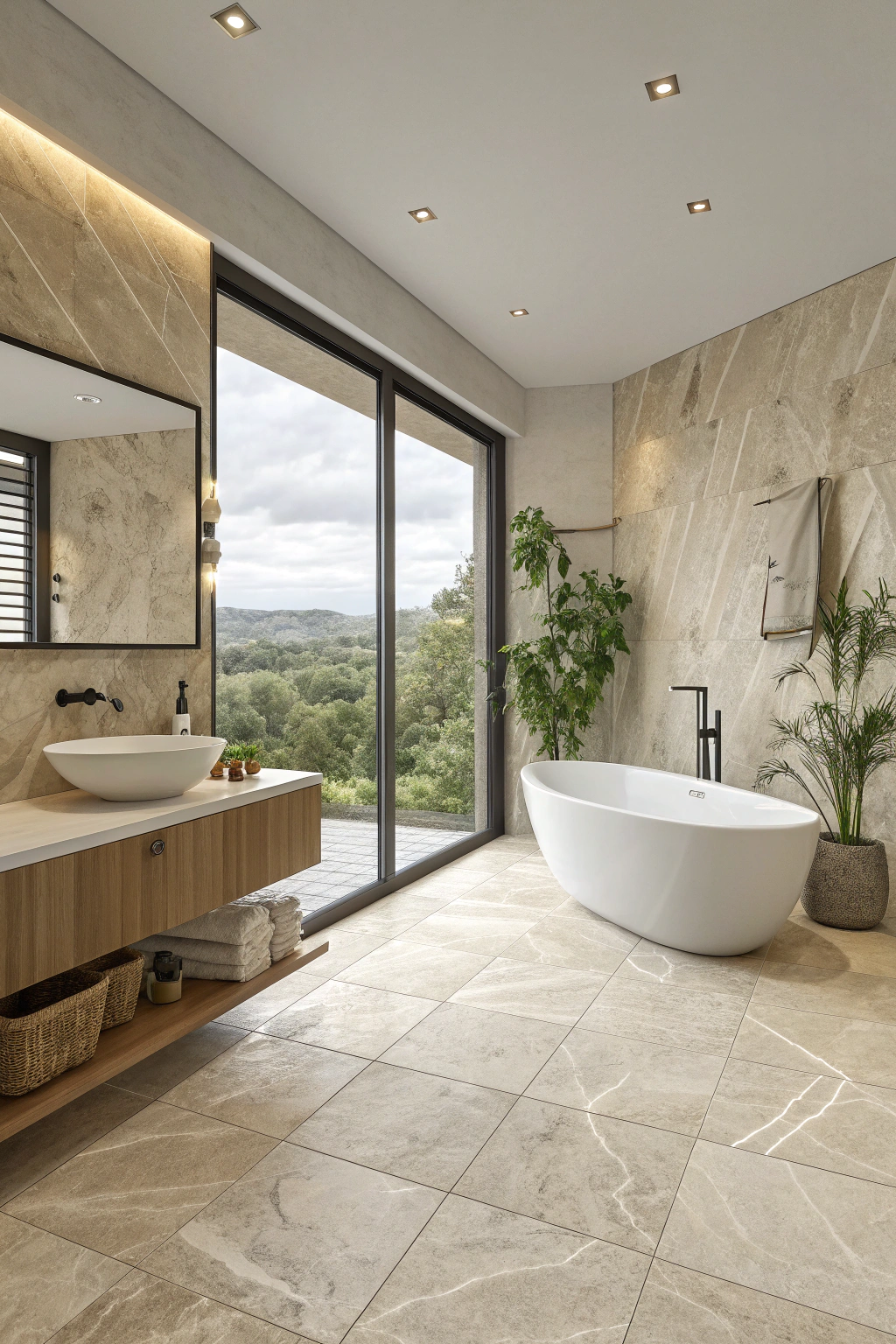
Stone tiles, such as marble, slate, or travertine, add texture and a natural element to bathroom floors and walls. Their unique veining and color variations contribute to a sophisticated and organic look. Stone surfaces are not only visually appealing but also durable and easy to maintain, enhancing both form and function.
Incorporating Greenery: Bonsai and Hanging Plants
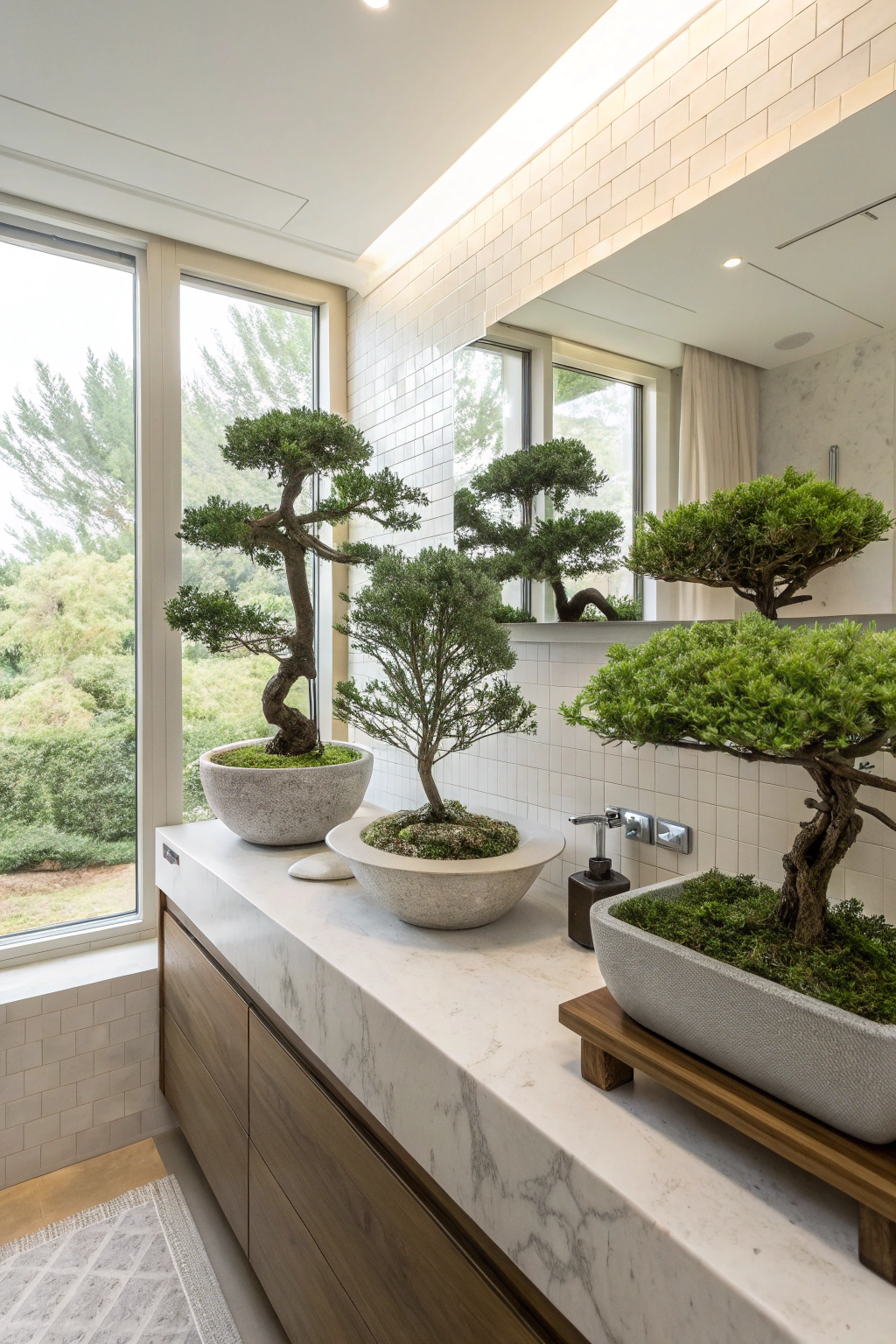
Adding plants like bonsai trees or hanging varieties such as ferns and spider plants introduces life and freshness to your bathroom. Bonsai symbolize harmony and balance, while hanging plants save floor space and improve air quality. These natural accents reinforce the connection to nature central to Japanese design.
Streamlined Storage: Minimalist Shelving and Integrated Solutions
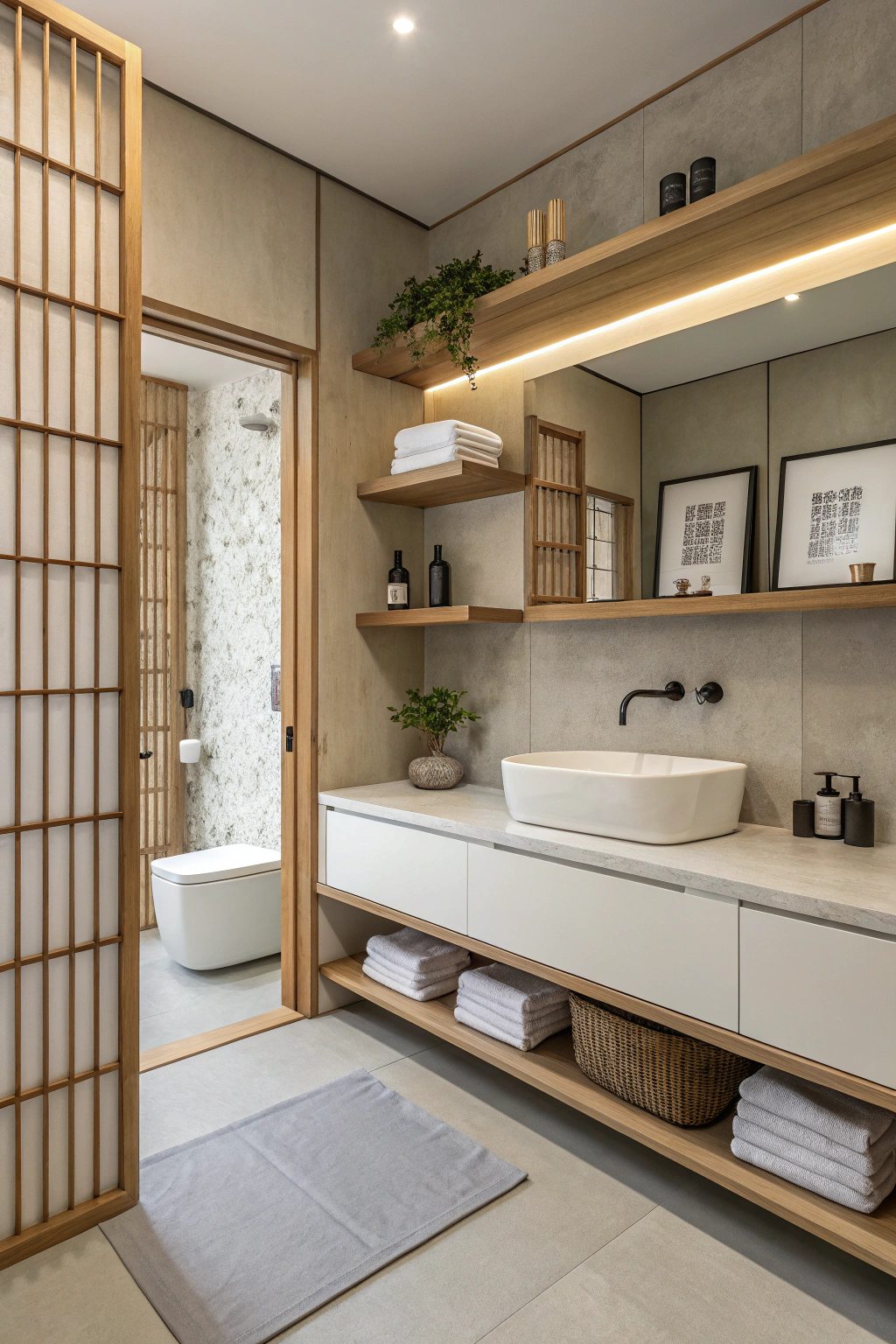
Maintaining a clutter-free space is essential in Japanese bathrooms. Floating shelves and built-in storage units keep essentials organized without disrupting the minimalist aesthetic. Integrated storage solutions, such as recessed shelves and hidden compartments, maximize space efficiency and contribute to a clean, orderly environment.
Wooden Bath Caddies and Teak Shower Benches: Functional Elegance
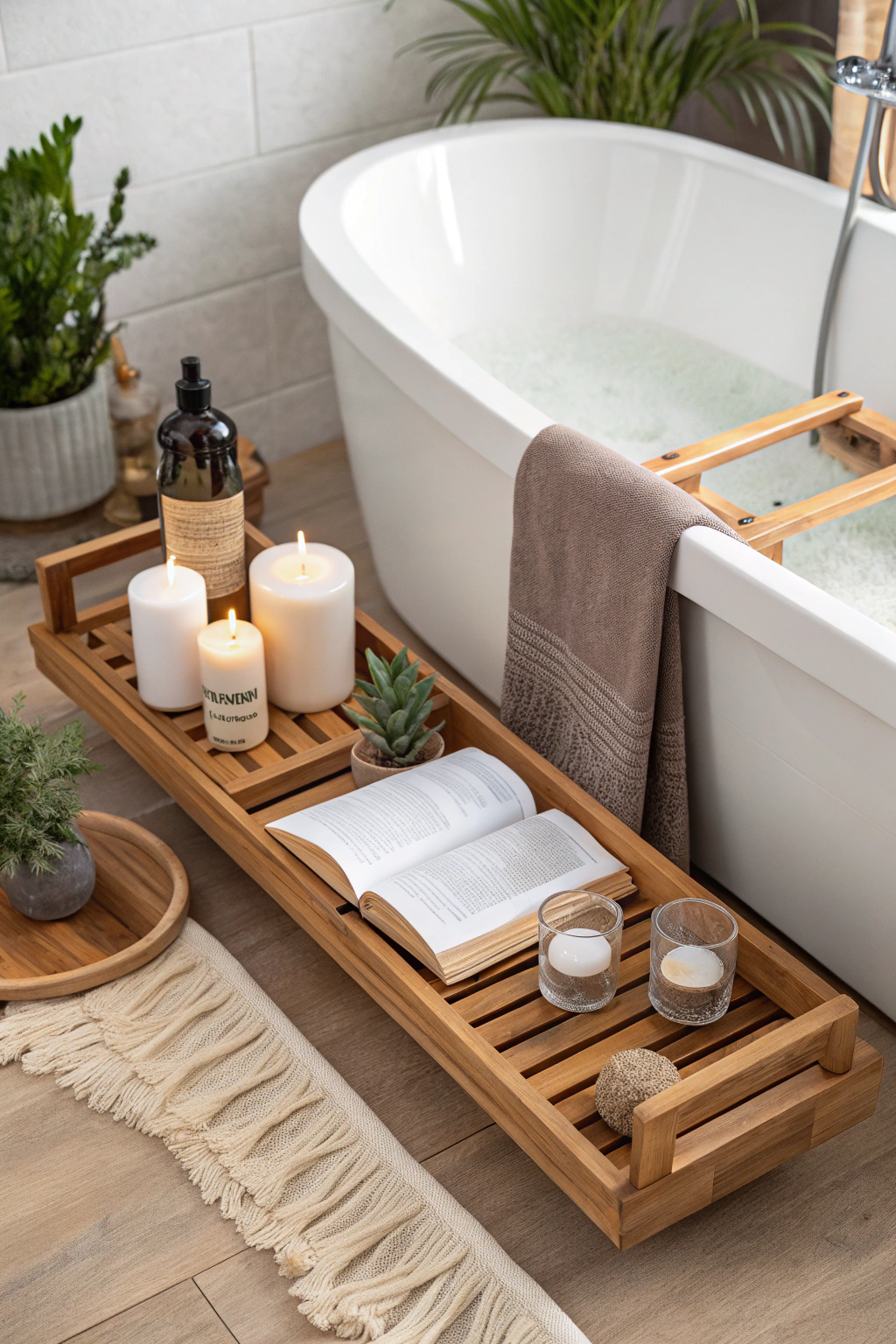
Enhance your bathing experience with a wooden bath caddy, perfect for holding soaps, candles, or a book. Complement this with a teak shower bench, prized for its moisture resistance and warm tones. Both pieces add rustic charm and practicality, elevating the comfort and style of your bathroom.
Water Features: Bringing the Soothing Sound of Nature Indoors
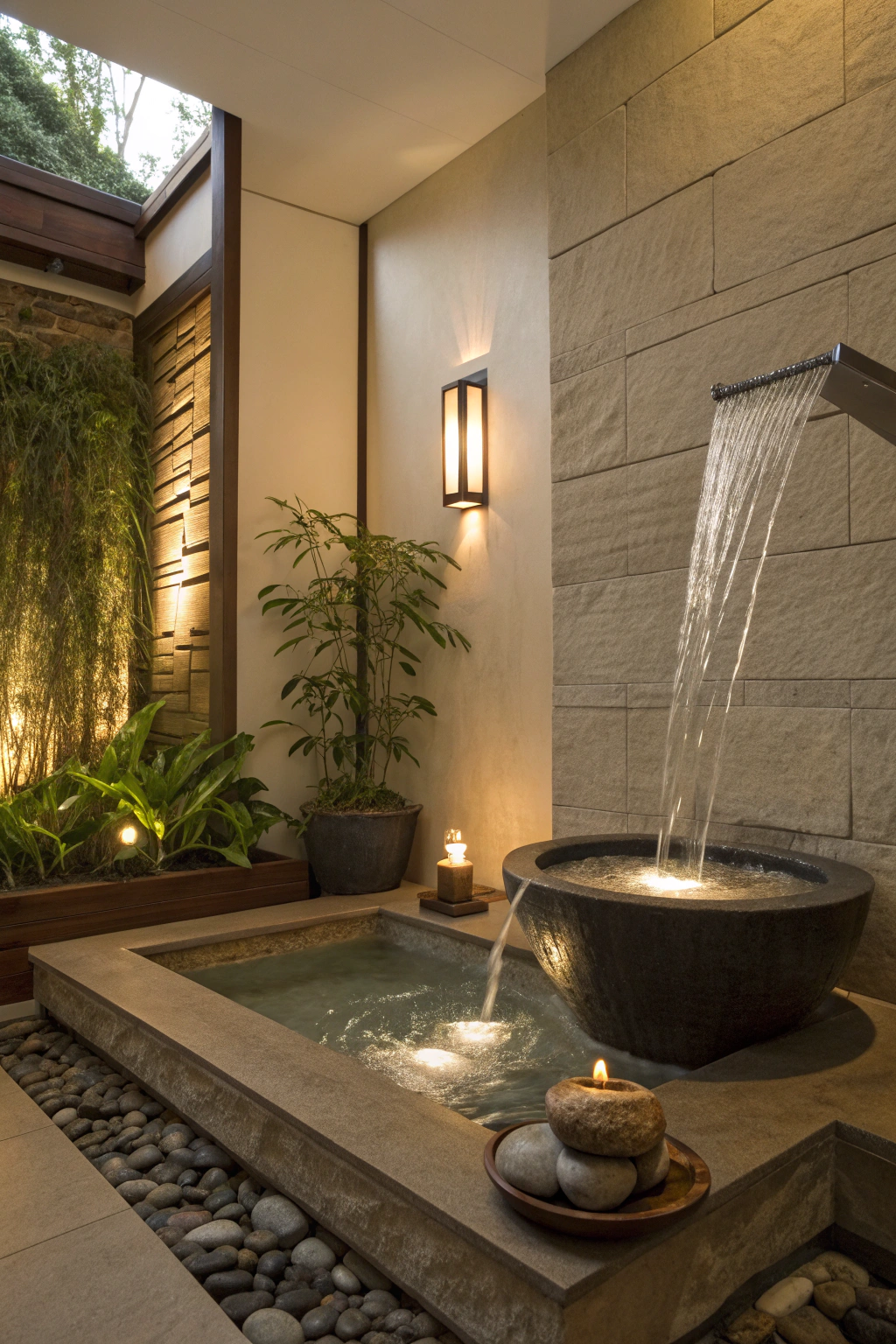
Incorporating a small water feature, such as a tabletop fountain, introduces the calming sound of flowing water, enhancing the spa-like atmosphere. This element promotes relaxation and adds a dynamic visual focal point, reinforcing the natural theme.
The Philosophy Behind Japanese Bathroom Design
Simplicity and Minimalism
At the heart of Japanese design lies the principle of “less is more.” Spaces are kept uncluttered, with clean lines and simple forms that foster calmness and clarity. This minimalist approach reduces distractions, allowing the mind to rest.
Harmony with Nature
Japanese bathrooms emphasize natural materials and elements, creating a seamless connection between indoor spaces and the natural world. This harmony nurtures tranquility and well-being.
Modern Trends in Japanese Bathroom Design
Contemporary Japanese bathrooms skillfully blend traditional aesthetics with modern conveniences. Current trends include the use of sustainable materials, open shower concepts, and muted color schemes that evoke serenity. According to recent industry reports, eco-friendly bathroom fixtures have seen a 25% increase in demand, reflecting a growing preference for sustainable design.
Practical Tips for Designing Your Japanese-Inspired Bathroom
Selecting a Soothing Color Palette
Choose neutral earth tones like beige, soft browns, and taupe to create warmth. Incorporate muted greens and blues for subtle color accents, and use crisp whites to symbolize purity and simplicity.
Incorporating Natural Materials
Wood, stone, and bamboo are essential for authenticity and durability. For example, bamboo’s rapid renewability makes it an eco-conscious choice, while stone surfaces add timeless elegance.
Choosing Fixtures and Hardware
Opt for minimalist faucets and hardware with matte finishes in black or brushed metal to maintain clean lines and a modern feel.
Adding Greenery and Accessories
Introduce plants suited for humid environments, such as orchids and ferns, to bring freshness. Use natural soap and candles to enhance the sensory experience, aligning with the eco-friendly ethos.
Maintaining Your Japanese Bathroom
Keep your bathroom pristine with regular cleaning using gentle, natural products. Avoid clutter by utilizing integrated storage and minimalist shelving. This upkeep preserves the tranquil atmosphere and prolongs the life of natural materials.
Final Thoughts
Japanese-style bathrooms offer a peaceful escape from daily stress through their minimalist design, natural materials, and harmonious connection with nature. By thoughtfully incorporating these elements, you can create a serene and elegant bathroom retreat that nurtures both body and mind.
As an Amazon Associate I earn from qualifying purchases.