Japan’s bathroom culture is a fine blend of tradition, innovation, and meticulous attention to detail, making it a engaging aspect of everyday life that often goes unnoticed. From the meditative rituals surrounding bathing to the futuristic amenities found in modern homes,the Japanese approach to personal hygiene and wellness reflects a deep respect for both body and spirit.In this listicle, we invite you to delve into 29 essential elements of Japanese bathroom culture, each offering a glimpse into the practices, etiquette, and innovations that define this unique space. Weather you’re planning a visit to Japan, seeking inspiration for your own bathroom, or simply curious about cultural differences, you’ll discover insights that enrich your understanding and recognition of this intricate aspect of Japanese life. Join us as we explore everything from the sacred art of onsen bathing to the seamless integration of technology in the conventional bathroom experience.
The Ofuro: Understanding the traditional japanese soaking tub and its role in relaxation and hygiene

The ofuro, a traditional Japanese soaking tub, is a profound symbol of relaxation and hygiene deeply embedded in the culture. Characterized by its deep, wooden design, the ofuro is more than just a bath; it serves as a sanctuary for the mind and body. Typically made from materials such as hinoki (Japanese cypress) or other natural woods, its aromatic qualities enhance the experience, turning a simple bath into a sensory retreat. Unlike Western-style baths, which focus on washing, the ofuro emphasizes soaking and unwinding after rigorous cleansing, promoting tranquility and reflection. Here, individuals can immerse themselves in hot water, allowing stress to evaporate like steam, as they take a moment for self-care amidst the hustle of daily life.
Beyond its aesthetic appeal, the ofuro holds a important role in the Japanese bathing routine. It is often situated in a dedicated area within the bathroom, designed to create a peaceful environment. The bathing rituals surrounding the ofuro typically involve:
- Cleansing the body thoroughly with soap and water before entering the tub, adhering to strict hygiene practices.
- Soaking in the warm water,which is sometimes infused with essential oils or bath additives for added relaxation.
- Connecting with family or friends, as the ofuro is seen as a place of bonding and conversation, fostering relationships.
- Embracing mindfulness, as users take this time to meditate or simply enjoy the simple act of being in warm water.
Slippers and Etiquette: Why special bathroom slippers are a must for hygiene and respect in shared spaces
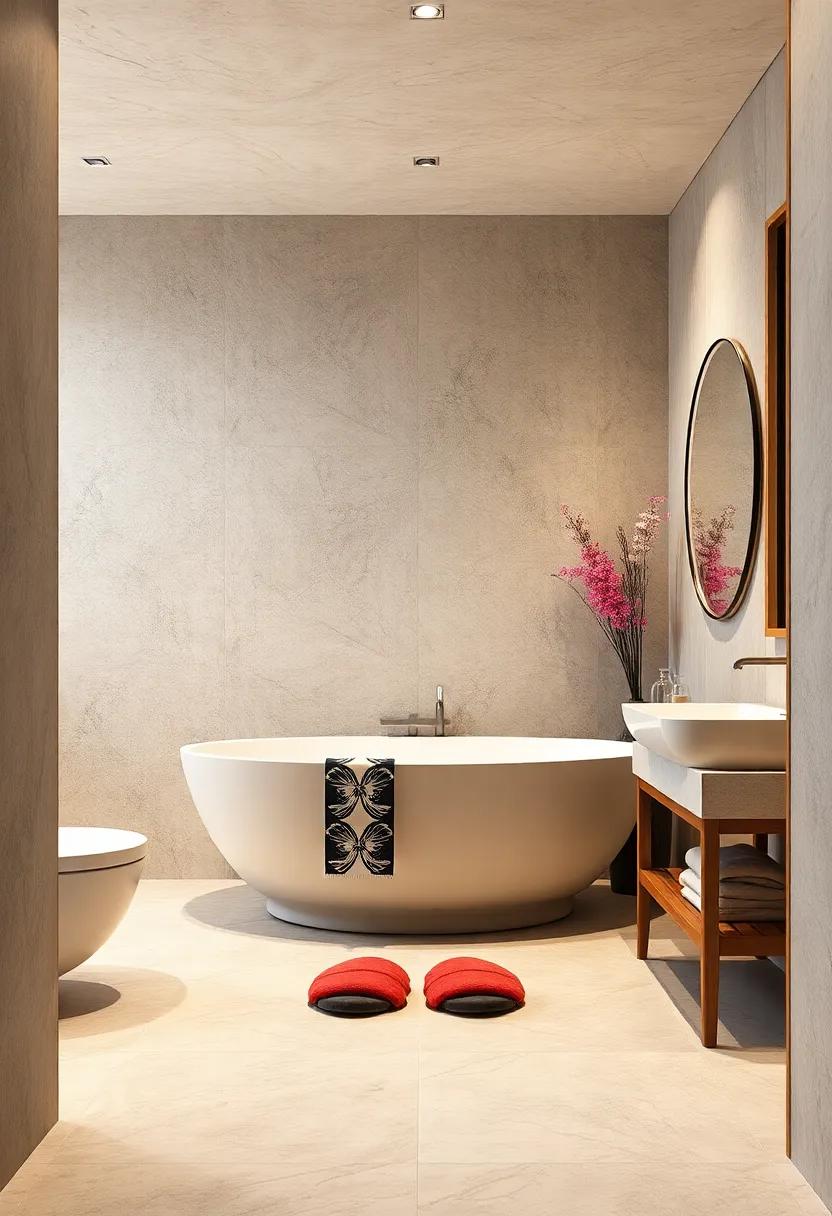
In the realm of shared spaces, notably in public restrooms, the importance of wearing special bathroom slippers cannot be overstated. These designated slippers serve a dual purpose: they not only enhance personal hygiene but also demonstrate a level of respect and consideration for others. By wearing bathroom slippers, individuals create a barrier between the feet and the potentially unsanitary floor, reducing the risk of spreading germs and bacteria. This practice embodies the japanese ethos of cleanliness, where meticulous attention to hygiene is woven into the very fabric of daily life.
moreover, bathroom slippers signify a silent agreement of etiquette among users.When a pair of slippers is designated for bathroom use, it implicitly communicates that this area requires a specific behavior and mindset. Here are some reasons why they are essential:
- Health Benefits: Wearing slippers protects feet from dampness and helps prevent fungal infections.
- Shared Respect: By using designated footwear, you contribute to a cleaner and more respectful environment for all users.
- Aesthetic Harmony: Bathroom slippers frequently enough feature minimalist designs that align with the overall decor, creating a pleasing visual experience.
The Washing Area: Exploring the shower setup and its emphasis on cleanliness before entering the bath

In Japanese bathrooms, the washing area serves as a sanctuary dedicated to pre-bathing rituals, emphasizing the significance of cleanliness and self-care. Before one can step into the soaking tub,it is customary to thoroughly cleanse oneself in a designated shower space. This area is typically equipped with a handheld showerhead, a sturdy stool, and convenient washbasins that allow users to attain complete cleanliness while seated comfortably. The emphasis on personal hygiene reflects a deep cultural respect for both the bath itself and those who share in its enjoyment.
Within this space, self-care routines become an integral part of the bathing experience, fostering a meditative atmosphere. The use of natural elements is also prevalent, with wooden benches and bamboo accessories introducing an organic touch. Moreover, many modern Japanese bathrooms incorporate high-tech features such as temperature control and water-efficient showerheads, ensuring that elegance does not come at the expense of sustainability. Such meticulous attention to detail not only promotes hygiene but also transforms a simple act of washing into a holistic, rejuvenating experience.
bath Time Rituals: The significance of rituals in the bathing process,from washing to soaking
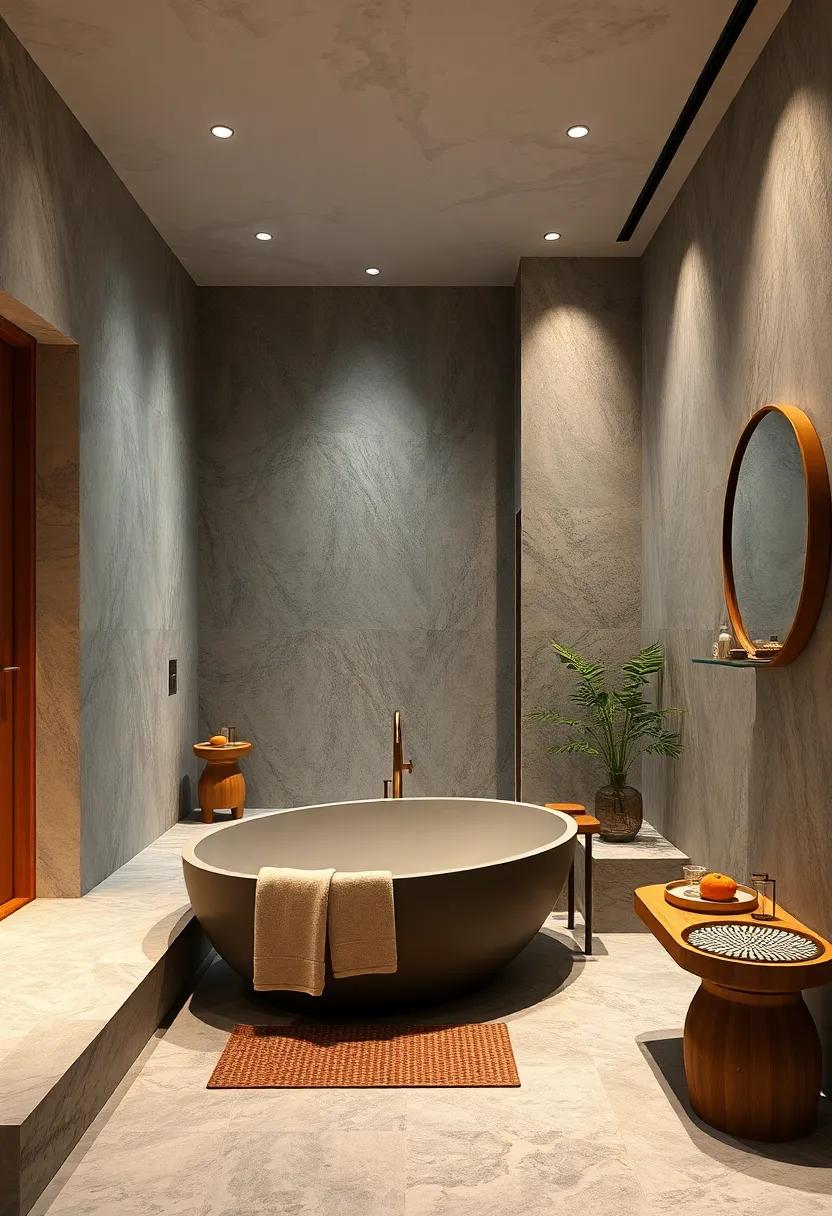
In Japanese culture, bath time is much more than just a chance to get clean; it is a revered ritual that engages both the body and spirit. From the moment one enters the bathroom,a sense of mindfulness envelops the experience. The process typically begins with a thorough washing at a shower station, where one takes time to cleanse the body with soap and warm water. This ritual serves as a transition, allowing individuals to shed the day’s stresses and prepare mentally for the soaking that follows. The importance of self-care and purification is deeply rooted in the practice, reminiscent of ancient customs that celebrated cleanliness as a way to honor the body and mind.
Once the washing is complete,the bath is filled,often with fragrant essential oils,bath salts,or even flower petals,adding layers of sensory pleasure. The act of soaking in the hot water provides not only physical relaxation but also a moment of meditative reflection. During this time, many individuals engage in personal rituals such as deep breathing or visualizations, fostering a deeper connection to self. This sacred space becomes a sanctuary for rejuvenation, emphasizing the benefits of both physical warmth and emotional tranquility. Ultimately, these rituals transform a simple bath into an enriching experience that aligns with the values of mindfulness, respect, and harmony in daily life.
Family Baths: The Japanese concept of communal bathing and its importance in family bonding

In Japan, the tradition of communal bathing transcends mere hygiene, fostering a unique environment for family bonding and connection.Visiting an onsen or sento becomes a cherished ritual where family members can come together, momentarily escaping the hustle and bustle of daily life. This shared experience promotes open dialog and warmth, as the soothing waters serve as a backdrop for laughter, storytelling, and reflection. Families often designate specific times for these outings, reinforcing the emotional ties that support their relationships, while appreciating the therapeutic benefits of hot springs and mineral baths.
Not just a spa day, the concept of communal bathing encourages mindfulness and respect for one another’s space and privacy.Families engage in gentle rituals, such as washing before entering the communal bath, which emphasizes cleanliness and care. These traditions create a nurturing atmosphere where generations learn from each other: parents teach children the importance of etiquette while grandparents pass down stories and wisdom. The act of immersing oneself in the warm waters signifies more than relaxation; it embodies unity, healing, and the essence of familial love within a culturally rich experience.
Natural Materials: The use of wood and stone in bathroom design to create a serene atmosphere
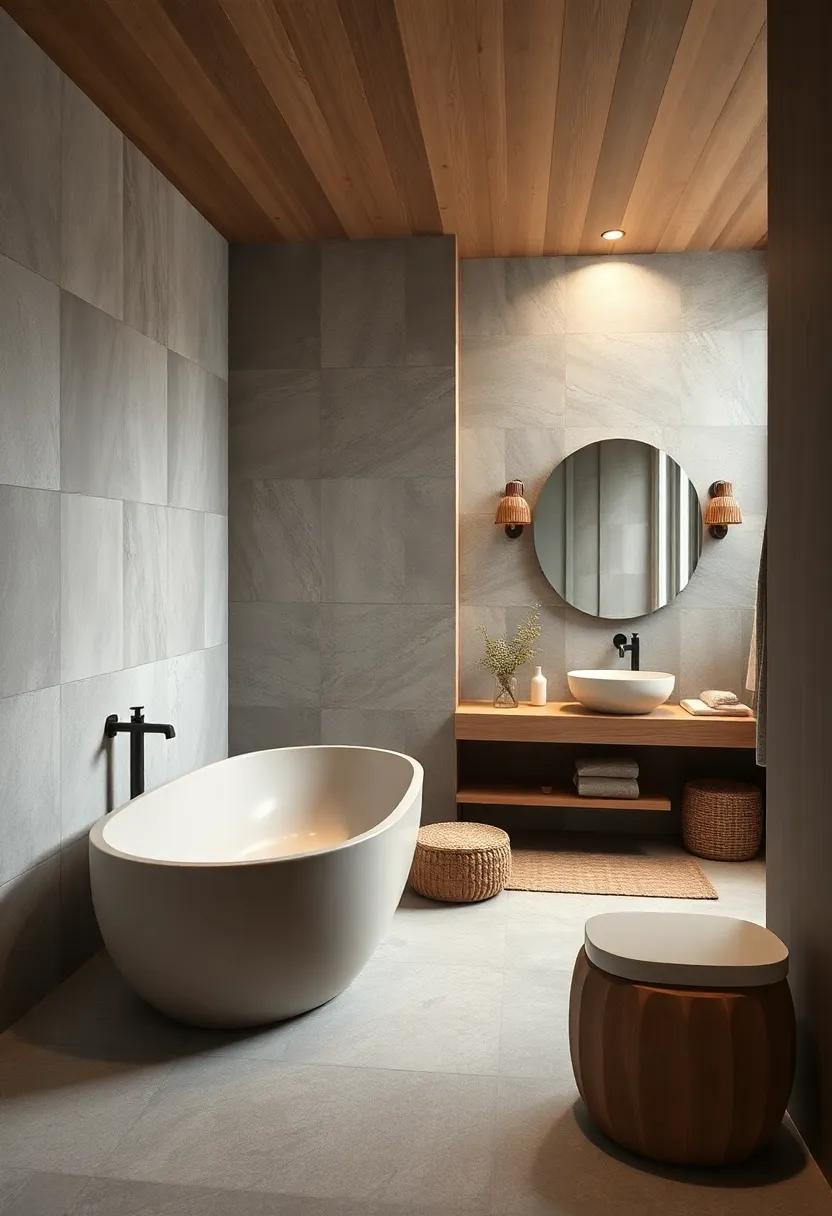
The allure of natural materials, particularly wood and stone, has a profound impact on bathroom design, crafting an atmosphere that mirrors tranquility and connection to nature. Wood, with its warm tones and textures, evinces a sense of comfort and purity.Whether used for cabinetry, paneling, or flooring, strategically placing wood elements can evoke a calming ambiance. Meanwhile, the inclusion of stone—be it through countertops, sinks, or decorative accents—brings an earthy heft that grounds the space. Textured finishes,such as slate or river stone,provide visual interest while also offering tactile pleasure,making every encounter with these surfaces a sensory experience.
When integrating these materials, careful consideration is required to maintain a harmonious balance. An effective approach involves pairing light woods with darker stones, creating a striking contrast that enhances the serene atmosphere. An ideal combination may include the following elements:
- Bamboo vanities – known for its sustainability and resilience.
- Granite countertops – Available in various colors and patterns, ensuring uniqueness.
- River stone accents – Perfect for tiles and shower floors to mimic a natural riverbed.
To visualize the interplay between these materials, refer to the table below for concept pairings and their atmospheric effects:
| Material | Texture | Atmospheric Effect |
|---|---|---|
| wood (Cedar) | Smooth | Warm and Inviting |
| Slate | Rough | Grounded and Organic |
| Teak | Rich Grain | Luxurious and Serene |
| Marble | Sleek | Elegant and Calming |
The Importance of Privacy: How japanese culture respects individual bathing time and space
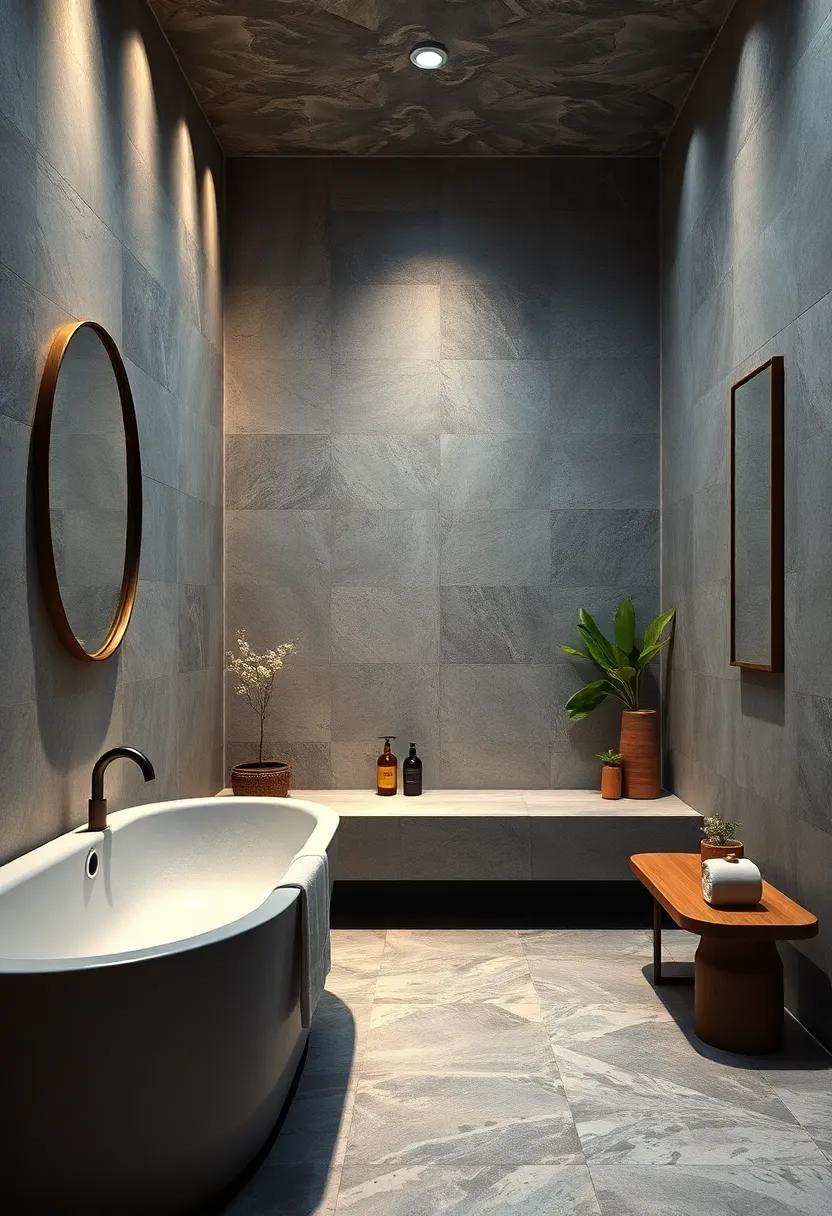
In Japan, the tradition of bathing goes beyond mere cleanliness; it is a profound ritual that emphasizes the significance of personal space and tranquility. Whether indulging in the soothing ambiance of an onsen (hot spring) or enjoying the serenity of a private furo (bathtub), the Japanese approach to bathing celebrates the sacredness of individual time. Bathing rituals often encourage individuals to take a moment to reflect, relax, and rejuvenate, reinforcing the belief that personal well-being is essential to a balanced life.
the cultural respect for private bathing time is also evident in communal settings,where etiquette dictates mindfulness of others’ tranquility. While sharing these spaces, bathers are encouraged to practice mizu no soji (the cleaning of oneself before entering the bath) and to maintain a calm demeanor, fostering a peaceful atmosphere for everyone. This collective understanding points to a deeper societal appreciation for both personal and shared spaces, highlighting how the Japanese value individual privacy even in communal activities. The integration of bathing as a personal retreat allows people to connect not only with themselves but also with their heritage, further enriching the cultural tapestry surrounding their bathing practices.
Bath Salts and Aromatherapy: The tradition of adding natural elements to enhance relaxation and wellness

Embedded in the serene Japanese ethos, bath salts and aromatherapy have transcended mere luxurious indulgence to become essential rituals for enhancing relaxation and wellness.Traditionally, these elements are celebrated for their therapeutic properties, with local artisans carefully crafting blends that reflect japan’s rich natural landscape. People often infuse their baths with essential oils sourced from native plants like yuzu, hinoki cypress, and green tea, each contributing unique benefits such as revitalization, tranquility, or improved skin health.
To further elevate the bathing experience,Japanese culture often emphasizes the incorporation of elements that engage the senses. This practice includes:
- Natural sea salts: Sourced from coastal areas, known to detoxify and rejuvenate the skin.
- Herbal remedies: Infusions of traditional herbs that promote relaxation and relieve stress.
- Floral essences: Delicate scents from flowers like cherry blossom to invoke calmness and nostalgia.
The provision of aromatic candles and soothing music alongside these elements sets the stage for a truly immersive experience, allowing the mind and body to journey into a realm of ultimate peace.
Onsen Culture: understanding the revered practice of visiting hot springs and its cultural significance
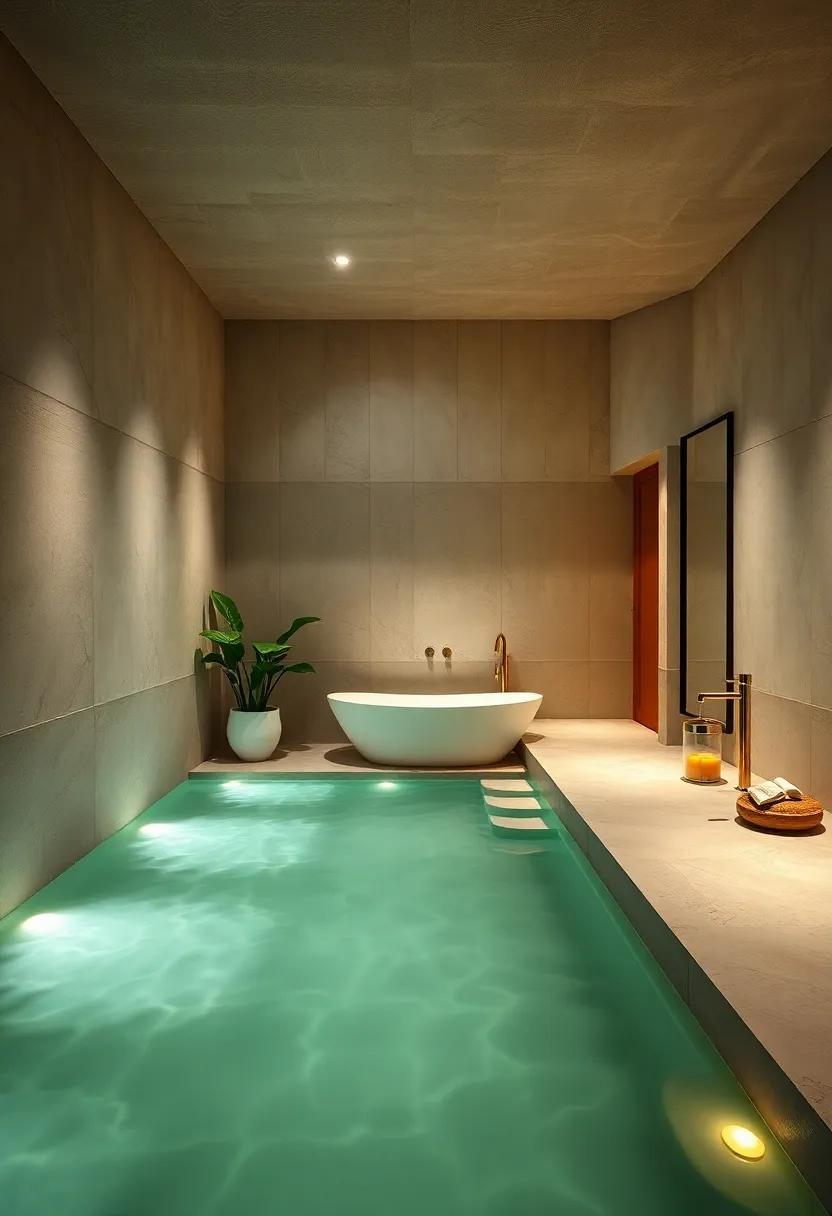
Onsen culture is an integral part of Japanese life, rooted in centuries of tradition and beliefs surrounding relaxation and healing.Visiting these natural hot springs is more than just a luxury; it’s a revered ritual that fosters both physical and mental well-being. Many people believe that soaking in the mineral-rich waters can help alleviate ailments, making onsens a popular destination for recovery and rejuvenation.the ambiance at an onsen frequently enough reflects a deep connection with nature, with idyllic settings featuring stunning landscapes, lush forests, or serene mountains, which further enhances the experience.
When partaking in an onsen visit, understanding the customs and etiquette is crucial to fully appreciate the culture surrounding these sacred sites. Here are some important aspects to keep in mind:
- Respectful Silence: Guests are encouraged to maintain a tranquil atmosphere through quiet conversation.
- Washing Before Soaking: thoroughly cleanse your body at the shower stations before entering the communal baths.
- towels Etiquette: Avoid bringing towels into the hot spring; instead,use them to cover your modesty when walking to and from the baths.
- Cultural Symbolism: Many onsen have unique stories or histories tied to local folklore and traditions.
| Key Elements of Onsen Etiquette | Description |
|---|---|
| Body Cleanliness | Essential for hygiene; all guests must wash before entering. |
| Quiet Atmosphere | Maintain peace to enhance relaxation for all visitors. |
| Modesty Practices | Use small towels for cover, respecting communal space. |
| Time limits | Limit the duration of soaking to accommodate other visitors. |
Towel Etiquette: The dos and don’ts of towel use in Japanese bathrooms, including the art of folding

Understanding the significance of towels in Japanese bathrooms is key to appreciating the depth of this culture. In many homes and traditional inns, you’ll find a variety of towels available, each designated for specific purposes. Always remember to use a small towel (tenugui) for drying your body after a bath, as they are lightweight and easy to carry. Avoid using large bath towels for drying your face or hands, as this can be seen as impolite. Instead, have a specific hand towel available for that purpose, keeping your bathing experience distinct and hygienic.
when it comes to the art of folding towels, this reflects a level of thoughtfulness in Japanese culture. Follow these simple guidelines for proper towel handling:
- Folding: Neatly fold your towel in half lengthwise and then in thirds, ensuring it’s tidy and compact.
- Placement: always place towels in designated areas, such as racks or designated shelves, rather than on the floor or surfaces where food or personal items are kept.
- cleanliness: Make sure your towels are always clean and free of stains; dirty towels can be viewed as a reflection of one’s personal hygiene.
Bidets and High-Tech Toilets: Why Japan leads the way in advanced toilet technology and hygiene

When it comes to advanced toilet technology, few countries can match Japan’s innovative spirit. Japanese bathrooms are synonymous with bidets and high-tech toilets equipped with a plethora of features that transform the mundane task of using the restroom into a luxurious experience. These toilets are designed with hygiene in mind, incorporating heated seats, built-in sprays for washing, and even air dryers to provide users with unparalleled cleanliness. the convenience doesn’t stop there; many models come with customizable settings, allowing users to adjust water temperature, pressure, and even seat temperature with just the push of a button. It’s no wonder that these cutting-edge facilities have gained popularity not just in households, but in public restrooms across the country.
Moreover,Japanese toilets frequently enough contribute to environmental sustainability. Many high-tech options boast water-saving technology, using less water per flush compared to standard Western toilets. Additionally, the integration of self-cleaning features reduces the need for harsh cleaning chemicals, further promoting an eco-kind approach to hygiene. As we explore the list of essentials defining Japanese bathroom culture, the sophistication of its toilet technologies underscores a broader societal commitment to cleanliness, comfort, and environmental consciousness—making every visit to the bathroom a refreshing ritual in itself.
The Role of water: Exploring how water usage and conservation are viewed in japanese culture

Water is not merely a resource in Japanese culture; it embodies an essential element of life and spirituality. The Japanese perspective on water usage places a strong emphasis on respect and mindfulness.Here, water is often seen as a source of purification and renewal, symbolizing both cleanliness and tranquility. Rituals such as temizu, or ritual handwashing, demonstrate the belief that cleansing oneself before entering sacred spaces or homes is vital. This respect for water extends beyond personal practices to community efforts that emphasize lasting usage amid the challenges posed by urbanization and climate change.
Conservation efforts are integral to Japanese culture, with traditional practices reflecting a broader consciousness regarding the environment. Simple yet effective habits such as the use of kakejiku,vertical scrolls that celebrate water scenes,maintain a cultural dialogue on the importance of preserving this vital resource.Moreover, festivals like Hanami, honoring the cherry blossoms, highlight the celebration of nature, reminding citizens of the necessity of protecting the ecosystems surrounding water bodies. In this way, the Japanese approach to water weaves a rich tapestry of sustainability, reverence, and communal stewardship.
Seasonal Bathing Practices: How the Japanese adapt their bathing habits according to the seasons

In Japan, bathing is not merely a routine but an experience deeply intertwined with nature and the changing seasons. As winter blankets the country in snow, hot baths (onsen or yu) become a cherished ritual, providing warmth and comfort. Many families and communities flock to natural hot springs, where the steam rises against the cold air, creating a serene atmosphere. During this season, it’s common to add ingredients such as yuzu (a citrus fruit) or sakura (cherry blossoms) to baths, enhancing both the aroma and the therapeutic qualities of the water. This seasonal adaptation reflects a harmonious relationship with nature,as bathers embrace the elements surrounding them.
As spring rolls in, the practice shifts toward refreshing cleansing habits, with an emphasis on rejuvenation. The Japanese often partake in sakura baths,where delicate cherry blossom petals float on the surface,symbolizing the transient beauty of life. Summer brings different practices; outdoor baths are favored, connecting bathers with nature. Here,elements like sea salt or green tea are incorporated to keep the body cool and to ward off fatigue. In contrast, autumn evokes the use of herbal infusions like kikuyu grass or ginger, aiming to warm the body as temperatures begin to dip. Each of these seasonal practices enriches the overall bathing experience, establishing an everlasting bond between the environment and personal wellness.
Bathroom Decor: The artistry of incorporating traditional elements like bamboo and bonsai into bathroom spaces
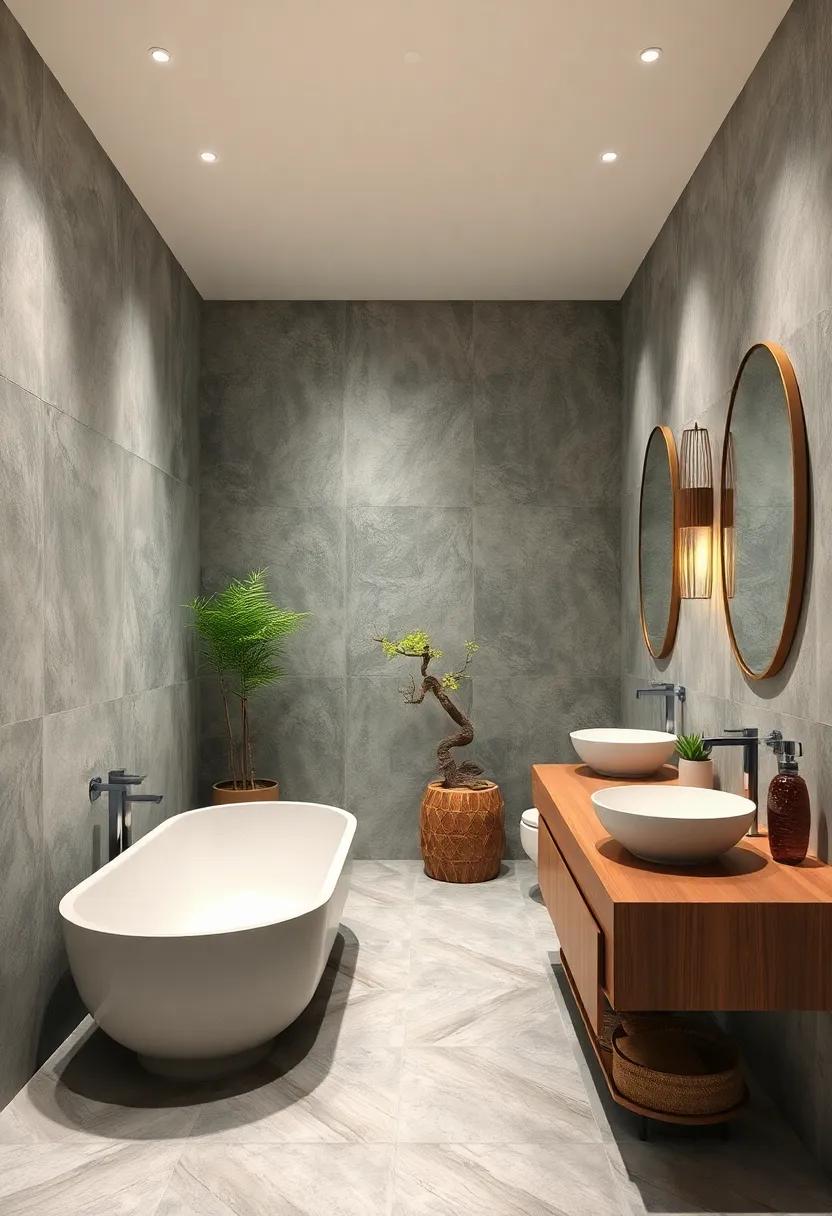
Transforming your bathroom into a serene retreat can be effortlessly achieved by integrating traditional Japanese elements like bamboo and bonsai. Bamboo, known for its strength and flexibility, can be used in various forms such as wall paneling, shower mats, or decorative accents. this natural material not only adds texture but also evokes a sense of tranquility, reminiscent of Japanese gardens. Incorporating bamboo in your design can also enhance sustainability; using it for shelving and storage provides an eco-friendly alternative to conventional materials. Bonsai trees, on the other hand, symbolize patience and artful care in Japanese culture.Positioning a small bonsai plant on the vanity or near the bathtub introduces a living element that breathes life into your space. These miniature trees serve as perfect conversation pieces and foster a connection with nature, inviting calmness and mindfulness into your bathing routine.
To create a cohesive look, consider pairing these traditional elements with a muted color palette, incorporating natural hues such as soft greens, warm browns, and sandy beiges. This palette not only complements the bamboo and bonsai but also reinforces a spa-like ambiance. You can enhance the aesthetic further by using minimalistic accessories made from ceramic or stone, which align with the Japanese concept of simplicity. Light fixtures with a wooden or bamboo finish can subtly enhance the overall aesthetic while keeping the focus on the natural elements you’ve incorporated. Creating an inviting atmosphere does not merely come from the items themselves but from how they interact with the space, making your bathroom a sanctuary of peace and reflection.
Kakei Nōryoku: The concept of harmony and aesthetic balance in bathroom design
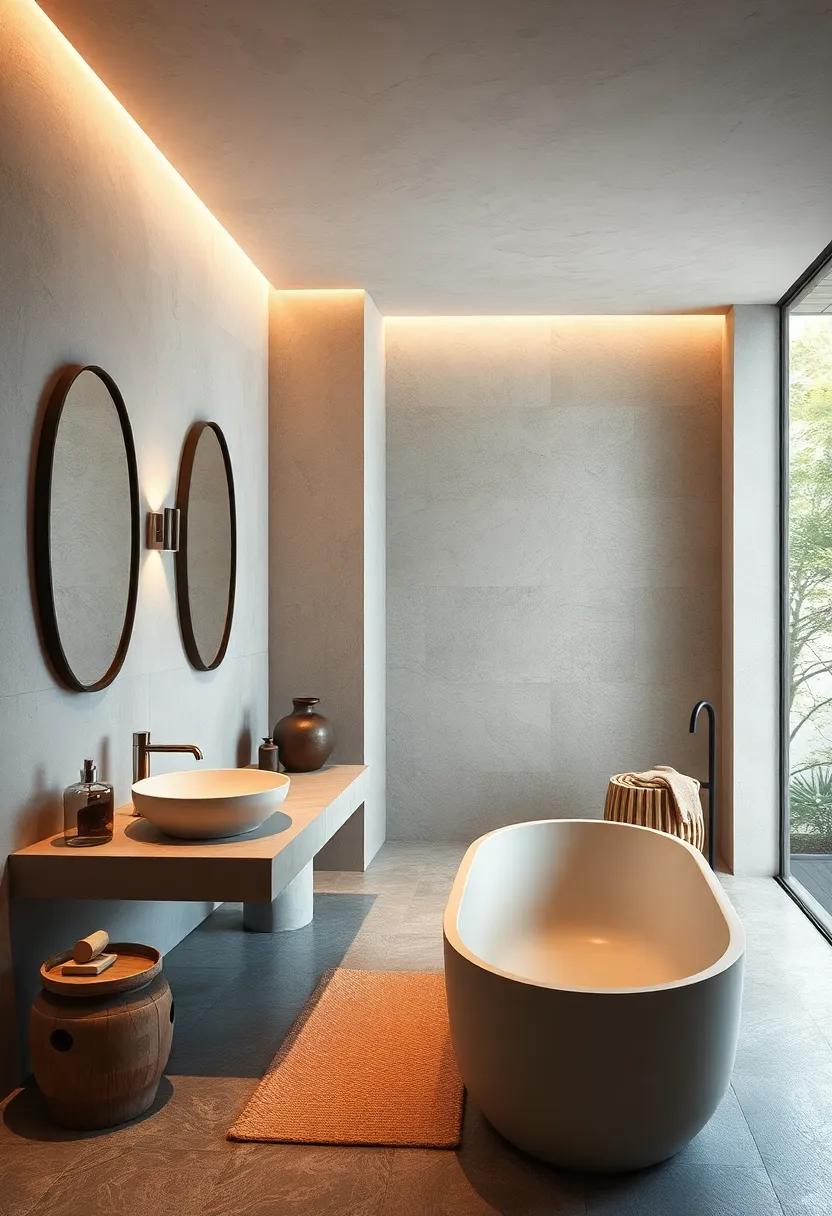
In japanese bathroom design, the principle of Kakei Nōryoku emphasizes the seamless integration of form and function, prioritizing both aesthetic appeal and tranquil functionality. Key to this philosophy is the use of natural materials, such as wood, stone, and ceramics, which help create a sense of grounding and connection to the natural world. Soft lighting, frequently enough achieved through paper lanterns or strategically placed fixtures, fosters a calm atmosphere, enhancing the overall sensory experience. Additionally,the concept encourages a minimalist approach,where every element,from the soaking tub to the shelves,is chosen for its beauty and utility,culminating in a harmonious sanctuary.
The layout of a Japanese bathroom reflects careful consideration of space and balance; the arrangement of fixtures is intentional,ensuring that each component enhances the others without overwhelming the senses. Vital to this balance is the inclusion of functional elements like shoji screens for privacy and indoor plants to introduce organic life into the space. In this context, water – an essential component in bathing culture – is celebrated as a visual and auditory element, often showcased through thoughtfully designed water features or a strategically placed shower area. The end result is a sanctuary where the beauty of simplicity reigns supreme, inviting relaxation and contemplation. Here’s how different elements contribute to this equilibrium:
| Element | Contribution to Harmony |
|---|---|
| Natural Materials | Connects with nature, introduces warmth |
| Soft Lighting | Creates a calming ambience |
| Minimalist Design | Reduces clutter, emphasizes simplicity |
| Indoor Plants | Adds a touch of life, enhances air quality |
| Water Features | Provides soothing sounds, visual interest |
Incense and Scent: How fragrances play a role in creating a calming bathroom environment

Fragrances have a transformative power, especially in the tranquil setting of a Japanese bathroom. The delicate balance of incense and aromatic elements creates an inviting atmosphere, allowing one to escape the hustle of daily life.
- Traditional Incense: Often made from natural ingredients like sandalwood and jasmine, these scents evoke calmness and purity.
- Aroma Diffusers: Utilized for distributing essential oils like lavender and eucalyptus, these diffusers can enhance relaxation.
- Herbal Bundles: The practice of burning bundles filled with herbs like sage or rosemary offers a grounding aroma while cleansing the air.
- Candles: Scented candles made from natural wax contribute to a warm ambiance, with fragrances that soothe and comfort.
Japanese culture places great importance on the olfactory experience, subtly intertwining it with the rituals of bathing and relaxation. Engaging the sense of smell can elevate one’s mindfulness, making each moment in the bathroom a personal retreat.
| Incense Type | Notes | Benefits |
|---|---|---|
| Sandalwood | Earthy, Warm | Promotes relaxation and reduces anxiety |
| Lavender | Floral, Fresh | Enhances sleep quality and calmness |
| Jasmine | Sweet, Uplifting | Improves mood and reduces stress |
The Bathhouse Experience: What to expect when visiting a public sentō and how to navigate the etiquette

When stepping into a traditional sentō, or public bathhouse, you’ll promptly be enveloped by the soothing warmth and atmosphere that defines this age-old ritual. Before you revel in the steamy waters, it’s essential to understand the etiquette that governs this space. You will likely encounter various sections within the bathhouse: changing rooms, washing areas, and, of course, the communal bathing area. As you enter, first head to the changing room to remove your clothes; this is typically done in privacy. Next, make your way to the washing stations where you should thoroughly scrub yourself before entering the bath. Remember, the focus here is on cleanliness, so it’s customary to wash from head to toe, ensuring you rinse off all soap before stepping into the calming waters.
navigating the sentō experience also involves adhering to some unspoken rules that keep the atmosphere serene and respectful. For instance, loud conversations or disruptive behavior is frowned upon, as the bathhouse is a place for relaxation. Additionally, most bathhouses will have designated areas for men and women, so pay attention to any signs indicating where you should go. Don’t forget to bring a towel, but be mindful of avoiding placing it in the communal bath; it’s generally used for drying off after your soak. After you’re finished, take a moment to dry off in the changing room, and if you’re feeling particularly adventurous, consider sampling some onsen snacks available at some locations, as this part of the experience can enhance your appreciation for Japanese culture. Here’s a swift reference table to ensure you grasp the key points about sentō etiquette:
| Etiquette Tip | Description |
|---|---|
| Wash Before Entering | thoroughly rinse off in the washing area. |
| silence is Golden | Keep voices low to maintain a peaceful ambiance. |
| Separate Areas | Respect the gender segregation in bath areas. |
| No Towel in the Bath | Leave your towel on the side; it’s not for the water. |
| Enjoy Snacks & Drinks | taste local onsen treats for a complete experience. |
The Influence of Zen: Integrating minimalist principles of Zen into the bathroom for mindfulness
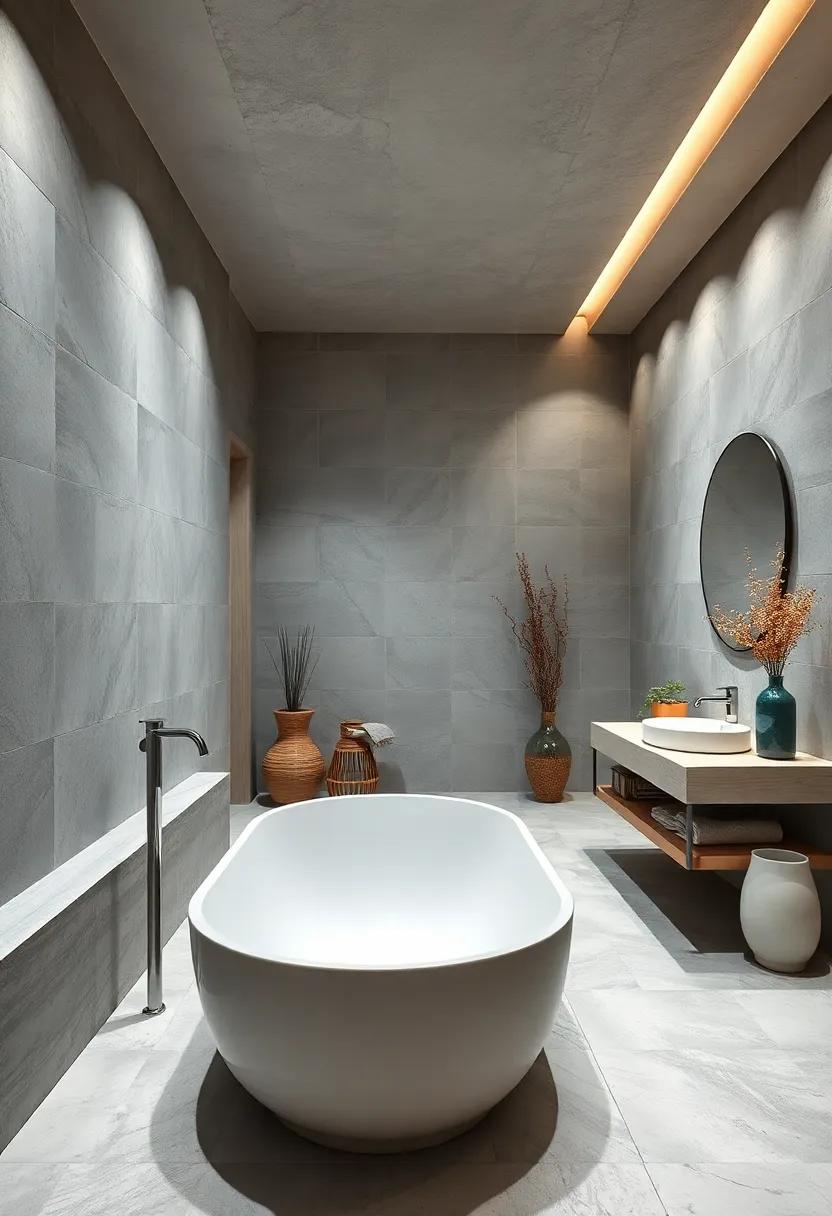
Creating a serene and mindful bathroom environment is essential for enhancing your daily routine. By embracing the minimalist principles of Zen, you can transform this often-overlooked space into a sanctuary that promotes relaxation and introspection. Begin by decluttering your bathroom; remove needless items, leaving only those that are essential.This not only creates an organized space but also encourages a calming atmosphere. Opt for natural materials like bamboo or stone, as these resonate with the serene qualities of nature inherent in Zen philosophy.
Incorporate simple yet meaningful elements that encourage mindfulness during your daily rituals. Consider adding a small indoor plant to bring life into the space, or a smooth stone to remind you to breathe deeply and center your thoughts. using soft, muted colors can enhance tranquility—think soft grays, whites, or pale greens. Additionally, create a ritual around your self-care practices: designate specific times for soaking in a warm bath or practicing mindfulness through deep breathing. All these elements combined cultivate a harmonious environment where you can truly unwind and reconnect with yourself.
Bathing and Health: The holistic benefits of bathing practices on physical and mental well-being

Bathing in Japan transcends mere hygiene; it embodies a ritual steeped in cultural significance that profoundly impacts both physical and mental health. The act of soaking in a traditional onsen or a meticulously designed ofuro is seen as an prospect for rejuvenation, helping to soothe tired muscles and improve circulation. The therapeutic benefits of warm water not only relax the body but also stimulate the body’s natural healing processes. Additionally, the serene environment of these baths provides a perfect escape from the chaos of daily life, allowing for deep mental relaxation and mindfulness.The soothing effects of heated water, complemented by the calm ambiance, can reduce stress levels and promote emotional well-being.
Further extending the advantages of Japan’s bathing culture are unique practices intertwined with nature. Bathing rituals often incorporate elements like essential oils, herbal infusions, and even salt scrubs, all designed to enhance the overall experience. The practice of forest bathing, or shinrin-yoku, alongside a soothing soak can amplify these benefits, creating a sense of harmony with the environment that promotes mental clarity and emotional stability. Here are some key benefits associated with traditional japanese bathing:
- Improved circulation – Warm water increases blood flow.
- Muscle relaxation – Eases tension and soreness.
- Enhanced skin health – Cleansing and detoxifying effects.
- Mindfulness and relaxation – Encourages a peaceful state of mind.
- Social connections – Bathing is often a shared experience, strengthening bonds.
The Role of Gender: Understanding how bathing practices differ between men and women in Japanese culture
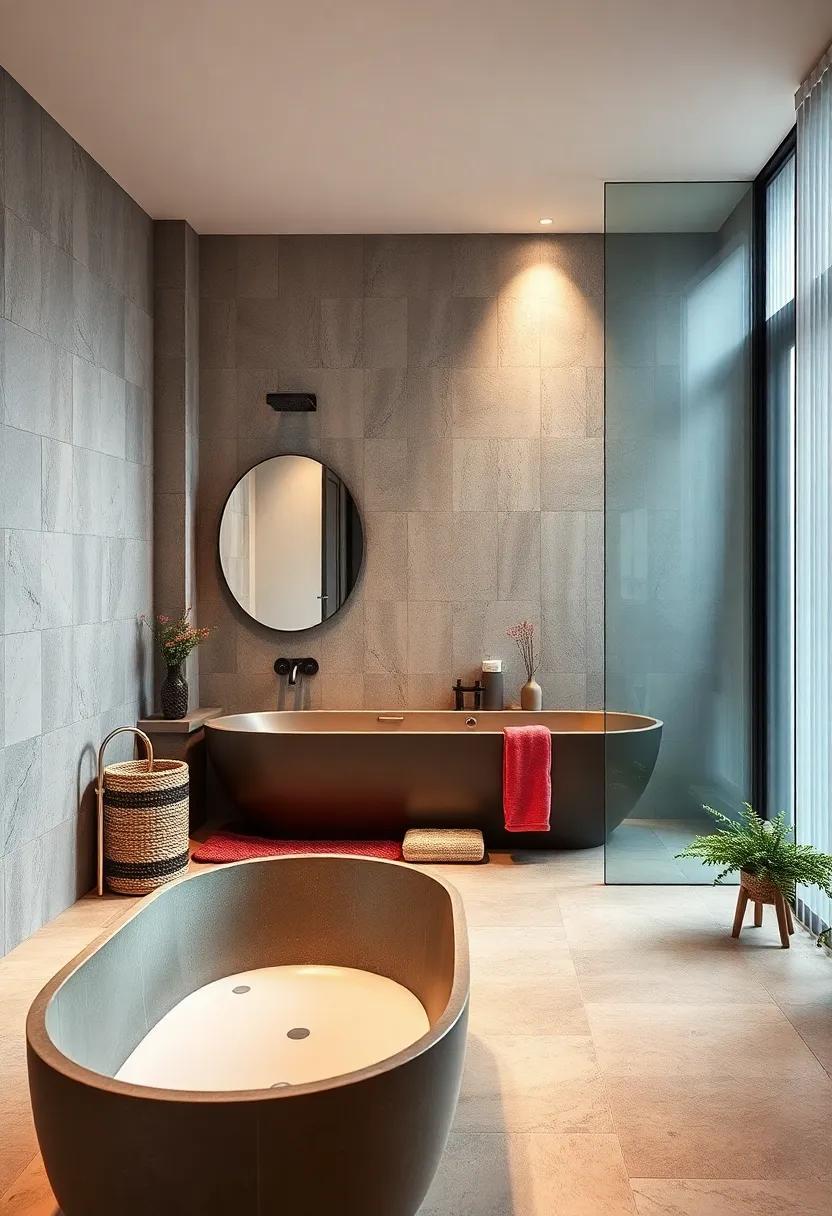
In the realm of Japanese bathing culture, gender dynamics play a pivotal role in shaping the rituals and practices men and women engage in. Traditionally,men are less likely to dwell on elaborate skincare routines compared to women,focusing instead on the cleansing aspect of the bath. This often translates into a more utilitarian approach,where the experience is about relaxation and rejuvenation rather than an extended self-care ritual. On the other hand, women’s bathing practices frequently incorporate a variety of grooming elements. they may indulge in extended bathing sessions that include scrubs, masks, and other beauty treatments, reflecting an emphasis on self-care and wellness.
In public bathhouses (sento) and hot springs (onsen), the distinction in bathing practices is also evident. Men and women are frequently enough separated, creating environments that cater to the different needs and preferences of each gender. Commonly, women’s areas feature additional amenities, such as large mirrors, beauty products, and calming atmospheres with floral scents. To illustrate the differences further, the following table summarizes some key contrasting elements:
| Aspect | Men | Women |
|---|---|---|
| Duration of Bath | Short and efficient | Long and leisurely |
| Focus | Cleanliness and relaxation | Skincare and pampering |
| Amenities | Basic | More extensive (mirrors, products) |
| social Aspects | Less communal interaction | More communal and sharing |
This gendered approach is not merely a reflection of traditional values but also highlights varying perceptions of body care and relaxation.While both genders cherish the cleansing experience, men and women approach it with their unique perspectives, shaping a rich tapestry of bathing traditions that continue to flourish in contemporary Japan.
The Concept of Satoyama: How nature is intertwined with bathing customs, promoting wellness and sustainability

Amidst Japan’s rich tapestry of tradition emerges the concept of Satoyama,a harmonious blend of rural and natural landscapes that profoundly influences regional bathing customs. This cultural practice emphasizes the importance of sustainability, where local resources are utilized and revered. In Satoyama, the tranquil scenery is more than mere backdrop; it is indeed integral to the bathing experience. Hot springs, frequently enough set against lush settings, provide a rejuvenating escape, inviting bathers to relish not only in the healing properties of mineral-rich waters but also in the serenity that nature offers. This connection fosters a sense of community,as villagers come together to celebrate the bounty of their environment while partaking in these time-honored traditions.
Furthermore, the ethos of Satoyama extends beyond mere relaxation, promoting a lifestyle steeped in wellness and environmental mindfulness. Each bath becomes a meditative experience, reinforcing the link between physical health and the natural world. To fully appreciate this synergistic relationship, many thermal baths incorporate natural elements such as bamboo, stone, and plants into their designs, creating spaces that blend seamlessly into the landscape. In this way, the customs surrounding bathing do not only cater to personal well-being but also advocate for the stewardship of local ecosystems, urging individuals to recognize their role in preserving the delicate balance between humanity and nature.
eco-Friendly Practices: The rise of sustainable bathroom products and practices in modern Japan
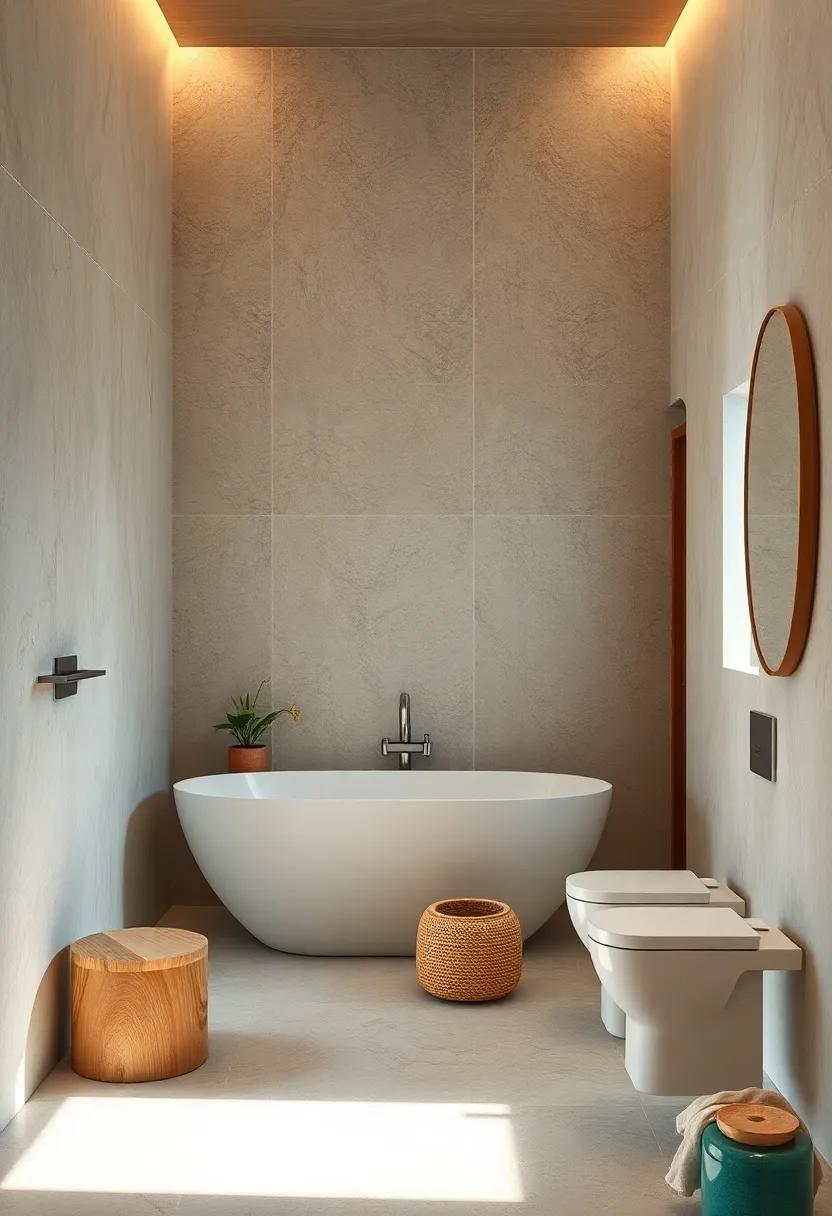
In recent years,Japan has witnessed a notable shift towards sustainable bathroom products and practices,reflecting a broader commitment to environmental responsibility. Consumers are increasingly opting for eco-friendly materials in their bathroom essentials, such as organic cotton towels, bamboo toothbrushes, and biodegradable soaps. These products are often crafted with minimal environmental impact in mind, promoting a zero-waste philosophy. Local artisans and companies have also joined the movement, creating aesthetically pleasing bathroom items that align with traditional Japanese craftsmanship while being mindful of the planet.
This rise in sustainable practices extends beyond products to daily habits within the bathroom space. Many households now implement water-saving devices, like low-flow faucets and dual-flush toilets, which considerably reduce water consumption. Furthermore, the trend of recycling and composting toiletries and bathroom waste has become more common, with initiatives aimed at educating families about proper disposal. Below is a brief overview of some eco-friendly practices gaining traction in japanese bathrooms:
| Practice | Description |
|---|---|
| Water conservation | Using efficient fixtures to reduce overall water usage. |
| Natural cleaning products | Opting for biodegradable and non-toxic cleaners. |
| Eco-friendly toiletries | Selecting organic and cruelty-free personal care items. |
| Waste reduction | implementing composting for organic waste and recycling packaging materials. |
The Significance of Cleanliness: Cultural beliefs surrounding purity and routine washing in daily life
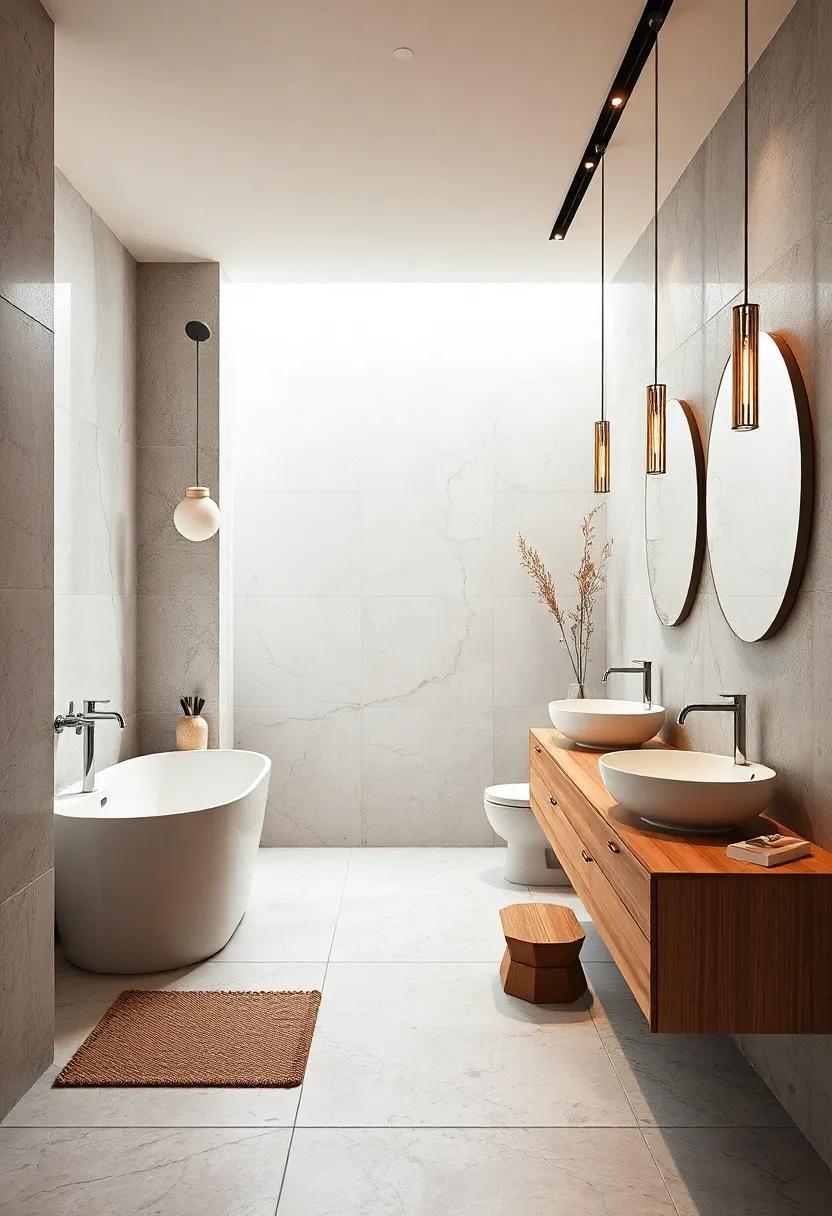
In Japanese culture, cleanliness transcends mere hygiene; it embodies a profound respect for oneself and one’s surroundings. the ritual of washing before entering a shared bath emphasizes the idea of purity. Individuals cleanse their bodies thoroughly at the shower before stepping into the communal bath, highlighting the belief that cleanliness purifies the soul as well as the physical body. this practice is deeply embedded in the ethos of hospitality, known as omotenashi, where offering a clean space reflects care and dedication towards guests.
Daily routines frequently enough incorporate acts that nurture both physical cleanliness and mental clarity. Aside from regular bathing, the Japanese partake in morning rituals that may include shintō purification rites, where washing hands and mouths in natural water serves to cleanse thoughts as well as physical forms. Moreover, the use of tatami mats, which require consistent upkeep to maintain their natural beauty, reinforces the cultural belief that cleanliness is a path to harmony and balance. Such rituals underscore the underlying philosophy of embracing cleanliness as a daily practice, shaping personal and communal identities.
The Japanese Showerhead: an exploration of the unique designs that enhance the bathing experience

The showerheads found in Japanese bathrooms are much more than mere fixtures; they are thoughtfully designed tools that elevate the bathing ritual into an experience of tranquility and rejuvenation. Variety in design is a hallmark of these showerheads, offering features tailored to enhance the interaction between water and body. From traditional handheld units that allow for precision washes to modern rainfall showers that recreate the sensation of soothing rain, each type is crafted to provide a unique sensory encounter. The attention to water pressure and spray pattern reflects a deep understanding of both function and user comfort.
Moreover, many Japanese showerheads incorporate a filtering system, ensuring that the water not only feels good but is also purer and healthier for the skin.A table of popular showerhead styles highlights their distinctive attributes,showcasing the fusion of aesthetics and functionality:
| Type | Features | Benefits |
|---|---|---|
| Handheld | Adjustable spray settings | Versatile use and ease of control |
| Rainfall | Wider,gentle water flow | Relaxing and spa-like experience |
| Massage | Targeted pressure settings | Relief for sore muscles |
| Eco-friendly | Water-saving technology | Reduced water waste and cost-efficiency |
Sharing Spaces: How communal bathing encourages camaraderie and fosters social bonds among individuals
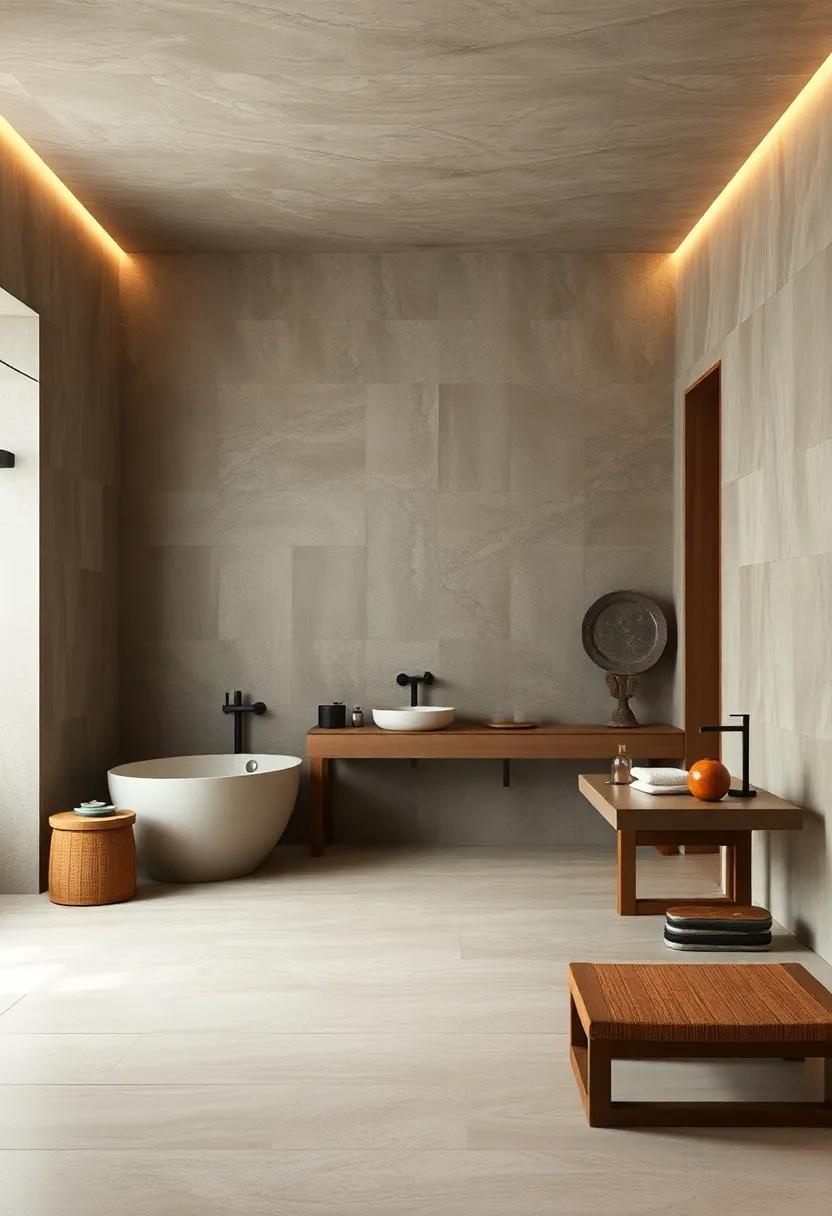
in Japanese culture,communal bathing transcends mere hygiene; it embodies a philosophy of connection and unity that strengthens social ties. When individuals share a hot spring or a bathhouse, they enter a sacred space where barriers dissolve, and genuine interactions flourish. These environments encourage open conversations, laughter, and an overall sense of ease, fostering bonds that might otherwise remain unformed in the hustle of daily life. The experience of undress serves metaphorically to strip away social pretenses, allowing for an authentic exchange between friends, family members, and even strangers. this relaxed atmosphere transforms bathing into a communal ritual, making it a cultural cornerstone that enhances community cohesion.
participating in a communal bath involves a few unspoken rules that heighten the experience. Here are some key aspects that contribute to the camaraderie found in these shared spaces:
- Inclusivity: Bathhouses welcome all individuals, creating a melting pot of diverse backgrounds.
- Relaxation: The warm waters possess therapeutic properties, alleviating daily stresses and encouraging relaxation.
- Cultural Exchange: Sharing bathing customs and stories allows for the rich exchange of cultural traditions.
- Non-Verbal Communication: The serene environment fosters an understanding beyond words, enhancing connection.
The communal bathing experience also serves as an important social equalizer. In these tranquil settings, individuals relax together regardless of status, reinforcing the notion that in the warmth of water, everyone is equal. Shared experiences like soaking in an onsen or enjoying a sentō can create lasting friendships that extend beyond the walls of the bathhouse. A simple table below illustrates how communal bathing cultivates social bonds:
| Aspect | Impact on Social bonds |
|---|---|
| Shared Space | Encourages interactions and connection. |
| nudity | Dissolves social barriers, fostering intimacy. |
| Relaxation | Promotes open conversations and bonding. |
| Cultural Ritual | Instills a sense of community belonging. |
Bath Accessories: The must-have items for an authentic Japanese bathing experience, from stools to brushes
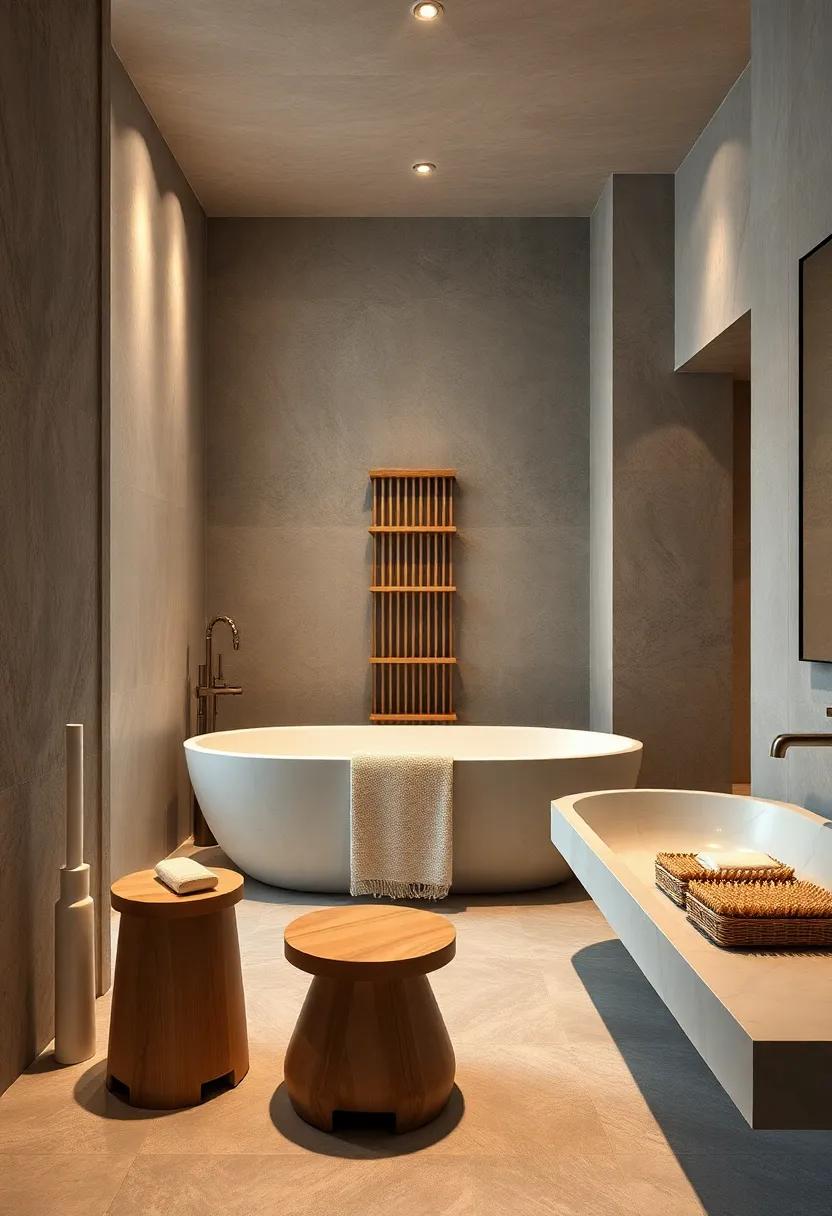
To fully embrace the serene pleasure of a Japanese bathing ritual, you’ll want to gather a selection of essential bath accessories that embody both tradition and functionality. These items are not just practical; they contribute to the overall experience, enhancing your relaxation and mindfulness. Here are some must-haves:
- Furo (Bathtub) – A traditional wooden or acrylic soaking tub, perfect for immersing the body fully.
- Ofuro Stool – Ideal for sitting on while washing, this small stool allows you to comfortably scrub and rinse.
- Long-handled Bath Brush – Used for scrubbing the back and hard-to-reach places, ensuring a thorough cleanse.
- Soap Dish – Typically made from natural materials like bamboo or stone, these simple dishes keep soap preserved and clean.
- Towel Set - Soft, absorbent towels, including both a larger bath towel and a smaller washcloth for convenience.
In addition to these primary items, you may also want to consider incorporating a few supplementary accessories that can enhance your bathing environment. These additions will elevate your experience:
- Essential Oil diffuser – For infusing your bathing space with calming aromas, creating a spa-like ambiance.
- Wooden Bath Tray – Perfect for holding candles, books, or drinks while you soak.
- Slippers – Comfortable footwear for moving around the bathroom, adding a touch of luxury.
- Handmade Soap – Artisanal soaps, frequently enough infused with natural ingredients, enhance both the cleansing experience and skin care.
Seasonal Festivals: Celebrating specific bathing rituals tied to Japanese festivals and traditions
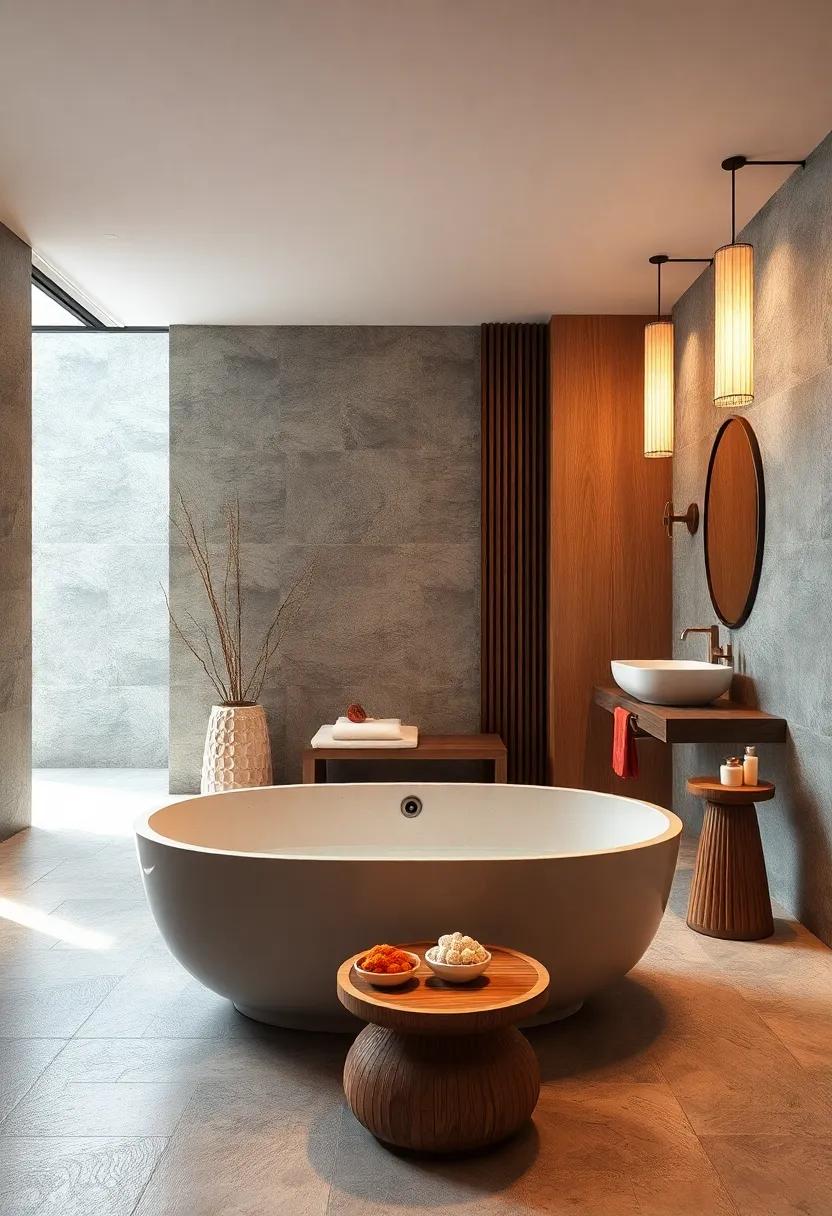
In Japan, seasonal festivals are a vibrant celebration of cultural heritage, where bathing rituals play a pivotal role in the proceedings.One of the most famous festivals is the Hanami, where locals gather to appreciate the beauty of cherry blossoms in full bloom. Here, many partake in cleansing rituals before enjoying picnics under the blooming sakura, symbolizing the ephemeral nature of life.Another notable tradition is Shichi-Go-San, a celebration for children aged three, five, and seven, where families visit shrines for purification and blessings. This often includes bathing in special waters deemed to hold spiritual significance, reinforcing the bond between the natural world and community rituals.
In addition to these, the Obon Festival brings ancestral homage by encouraging families to clean and purify their homes, a custom that often extends to personal hygiene practices.Ritual washing of the body resonates deeply during this time, as it symbolizes respect for the departed and a way to prepare oneself for connecting with ancestral spirits. In coastal regions, Hatsuuma, the first day of the horse in the lunar calendar, is celebrated with ritual bathing in the sea, believed to ward off evil and ensure good fortune. Such practices reveal the intertwining of bathing rituals with traditional festivities, highlighting their essential role in fostering a sense of community and continuity in Japanese culture.
Mindful Bathing: How modern practices have evolved to emphasize mindfulness and relaxation techniques in bathing

In the pursuit of enhanced well-being, modern bathing practices have seamlessly integrated mindfulness techniques, creating a sanctuary for relaxation. The traditional Japanese approach to bathing, characterized by its focus on ritual and intentionality, has inspired contemporary adaptations that prioritize a holistic experience. Elements such as aromatherapy, meditative practices, and therapeutic soundscapes are now commonplace, allowing bathers to cultivate a deeper connection to their senses. Engaging with warm water, infused with essential oils, encourages not only physical relaxation but also mental clarity, creating a harmonious balance between body and mind.
Moreover, the use of natural materials and minimalist design in modern bathrooms echoes the Japanese commitment to simplicity and nature. Incorporating features like zen gardens or indoor plants fosters a serene environment ideal for mindfulness. The concept of a digital detox during bathing emphasizes the importance of stepping away from screens and distractions, inviting individuals to fully immerse themselves in the present moment. To enhance this experience, many bathers now incorporate mindfulness exercises such as focused breathing or gentle stretching, transforming the act of bathing into a powerful ritual of self-care.
Global Influence: The impact of Japanese bathroom culture on global wellness trends and design aesthetics

The essence of Japanese bathroom culture has permeated beyond its national boundaries,shaping global wellness trends and influencing design aesthetics in unexpected ways. The rise of the onsen (hot spring) experience has redefined relaxation, prompting spas and wellness centers worldwide to incorporate communal bathing rituals that center around tranquility and mindfulness. This shift towards immersive, sensory-driven experiences has led to a greater appreciation for water-based therapies, with many facilities now prioritizing natural elements and simplistic designs, reminiscent of traditional Japanese baths.
Moreover, the fusion of Japanese minimalism with modern design philosophies can be seen in bathrooms around the world. Key features derived from this cultural influence include floating vanities, tatami mats, and nature-inspired color palettes. These elements not only promote a serene atmosphere but also encourage mindfulness in daily routines. An increasing number of architects and interior designers are embracing this aesthetic, creating spaces that enhance well-being by fostering a sense of peace and renewal. In fact, the growing trend of Wabi-Sabi, the appreciation of imperfection and transience, further pushes the envelope, as people seek authenticity and connection to nature within their personal wellness spaces.
In Conclusion
As we draw the curtain on our exploration of the 29 essential elements of Japanese bathroom culture, it’s clear that this intimate space embodies more than just hygiene—it’s a serene sanctuary, a reflection of tradition, and a testament to meticulous craftsmanship. From the ritual of onsen bathing to the tranquil aesthetics of tatami mats, each facet offers a glimpse into a world where relaxation and respect for nature coalesce.
Whether you’re planning a journey to Japan or simply seeking inspiration to elevate your own bathing practices, these insights serve as a gentle reminder of the beauty found in intentional simplicity. We hope this list has enriched your understanding and perhaps even sparked a desire to incorporate some of these elements into your own bathroom routine. Embrace the calm, honor the ritual, and transform your bathing experience into a moment of mindfulness and solace. Thank you for joining us on this journey through the intricate layers of Japanese bathroom culture!
As an Amazon Associate I earn from qualifying purchases.