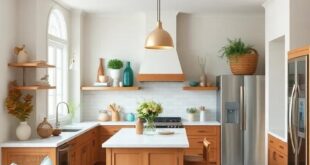
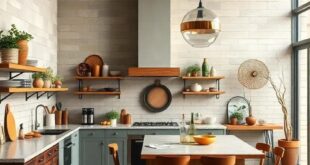
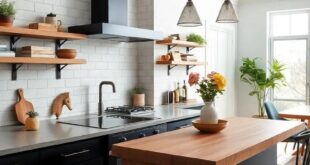
Transforming your outdoor culinary space into a stylish and functional haven starts with choosing the right materials. Among these, the choice of wood holds a pivotal role, influencing not just the aesthetics but also the durability of your outdoor kitchen. In this listicle, we delve into 27 essential woods that are perfect for outdoor kitchens, each offering unique characteristics that blend beauty with resilience. Whether you’re constructing a rustic barbecue station or a sleek contemporary prep area, you’ll find the perfect timber to elevate your design. From weather-resistant varieties to those that boast stunning grain patterns,we’ll uncover the strengths and qualities of each wood type. Join us as we explore these essential materials that will inspire your outdoor cooking adventures while ensuring lasting style and functionality.
Teak – Renowned for its natural oils, teak is resistant to water and decay, making it the ultimate choice for outdoor culinary adventures
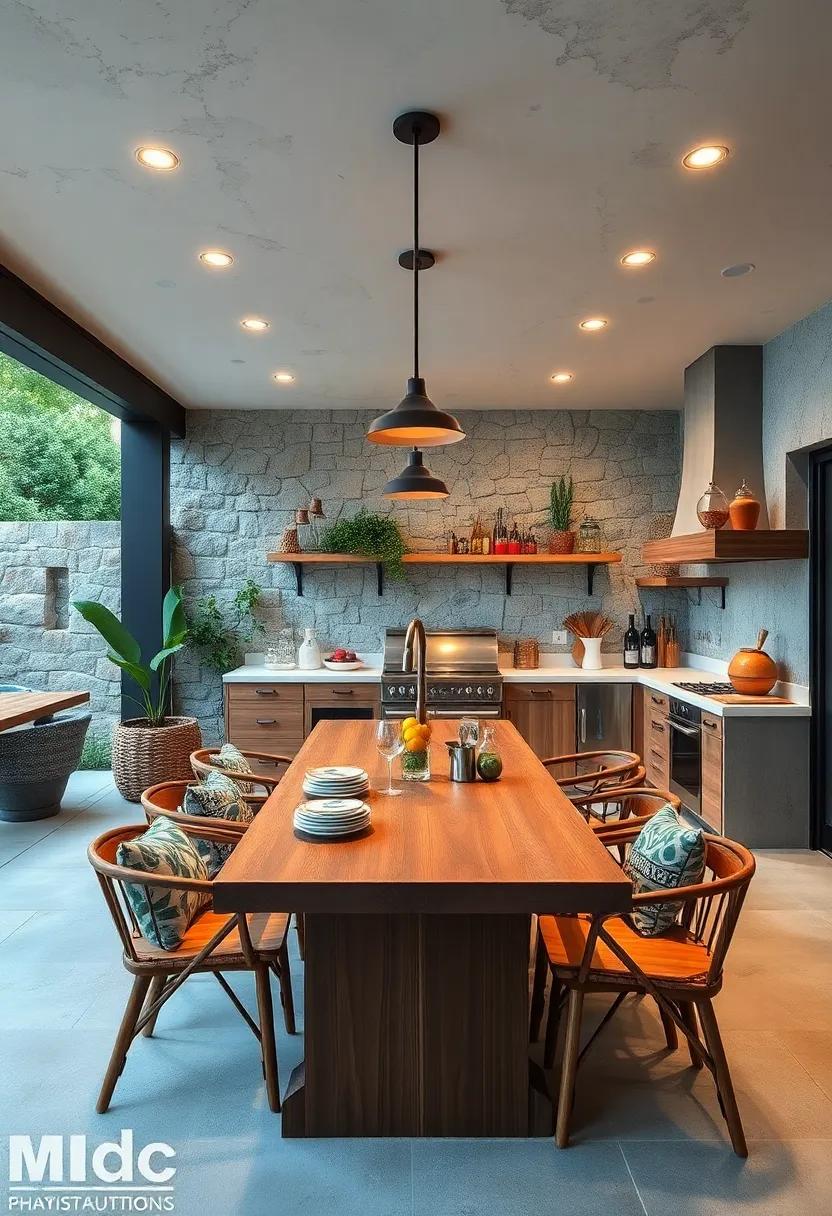
Teak wood stands out as a top choice for outdoor culinary setups due to its unique composition, rich in natural oils. these oils not only give teak its distinctive golden-brown hue but also empower it with remarkable resistance against moisture and decay, making it an ideal candidate for any weather conditions.This durability ensures that your outdoor kitchen remains stylish and functional for years to come. With a mesmerizing grain pattern, teak also brings an air of elegance to your culinary space that is hard to replicate with any other wood.
Choosing teak for your outdoor projects offers an array of benefits that enhance both aesthetics and practicality. Consider the following advantages:
- Water Resistance: Teak’s inherent oils create a defensive barrier against the damaging effects of water.
- Decay Resistance: The wood resists pests and rotting, ensuring longevity.
- Low maintenance: Minimal upkeep is required, allowing you more time to cook and enjoy.
- Stunning Appearance: Teak develops a gorgeous patina over time, adding character to your kitchen.
To help you visualize how teak can transform your culinary area, here’s a simple comparison table highlighting its features against other popular outdoor woods:
| Wood Type | Water Resistance | Decay Resistance | Maintenance Level | Aesthetic Appeal |
|---|---|---|---|---|
| Teak | High | High | Low | Excellent |
| Cedar | Medium | Medium | Medium | Good |
| Pine | Low | Low | High | Fair |
Cedar – With its aromatic scent and natural insect-repellent properties, cedar adds a rustic charm and functionality to any outdoor kitchen
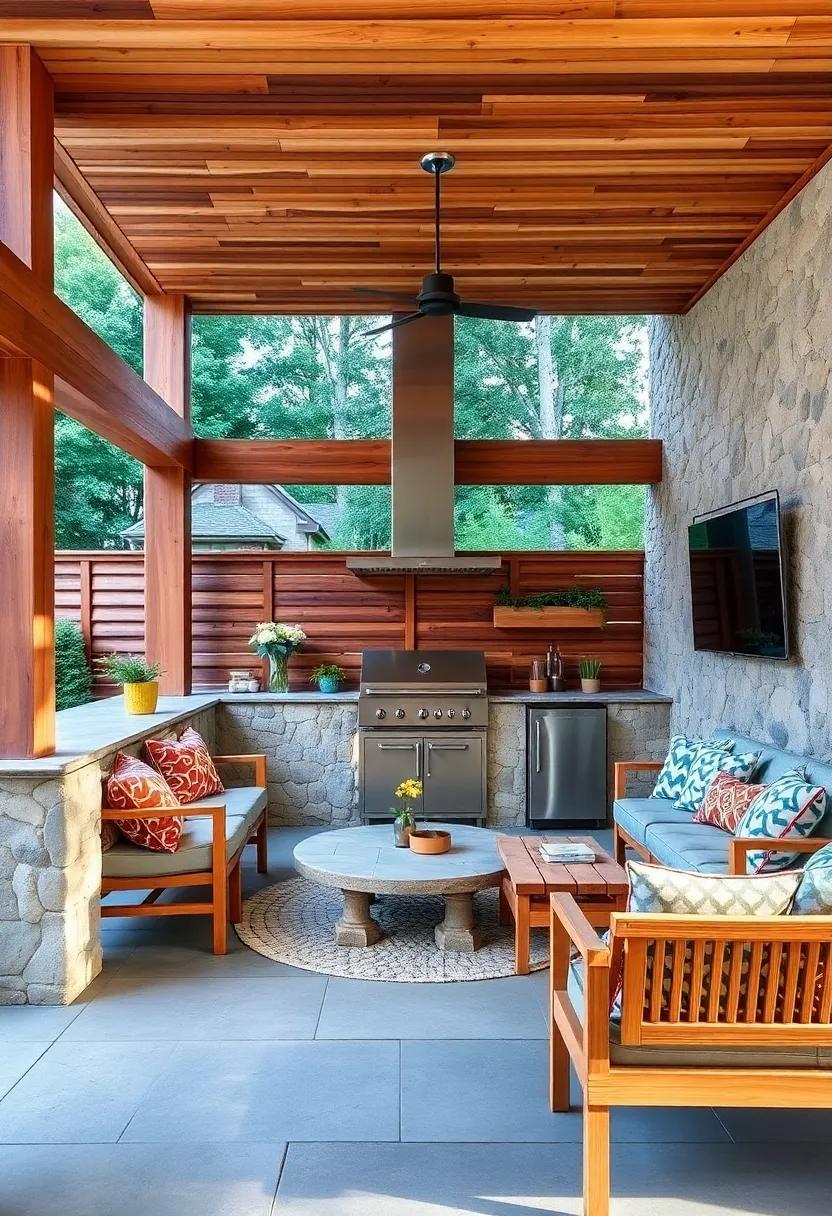
Cedar is more than just a pretty face; its aromatic scent elevates the sensory experience of your outdoor culinary adventures while providing robust functionality. This wood is inherently resistant to decay,making it an ideal choice for outdoor kitchens that face the elements. With its natural insect-repellent properties, cedar not only wards off pesky bugs but also minimizes chemical treatments, ensuring a safer cooking environment. Whether you’re creating rustic countertops or building charming cabinetry, cedar infuses warmth and appeal, turning your outdoor space into an inviting haven.
One of the best aspects of cedar is its versatility, which can seamlessly blend with various design styles. Consider these charming features:
- Rich Color Variations: From deep reds to golden hues, cedar offers an array of tones that enhance any aesthetic.
- Easy Workability: Cedar is lightweight and easy to cut, making it a favorite among DIY enthusiasts and contractors alike.
- Long-Lasting Durability: With proper maintenance,cedar can stand the test of time,ensuring your outdoor kitchen looks stunning for years.
| Cedar Benefits | Details |
|---|---|
| Insect Resistance | Repels insects naturally, minimizing the need for chemicals. |
| Aromatic Quality | Fills the air with a pleasant, refreshing scent during cooking. |
| Sustainability | Sourced from responsibly managed forests, making it an eco-friendly choice. |
Redwood – This lightweight,durable wood is perfect for building beautiful outdoor cabinetry,combining elegance with lasting performance
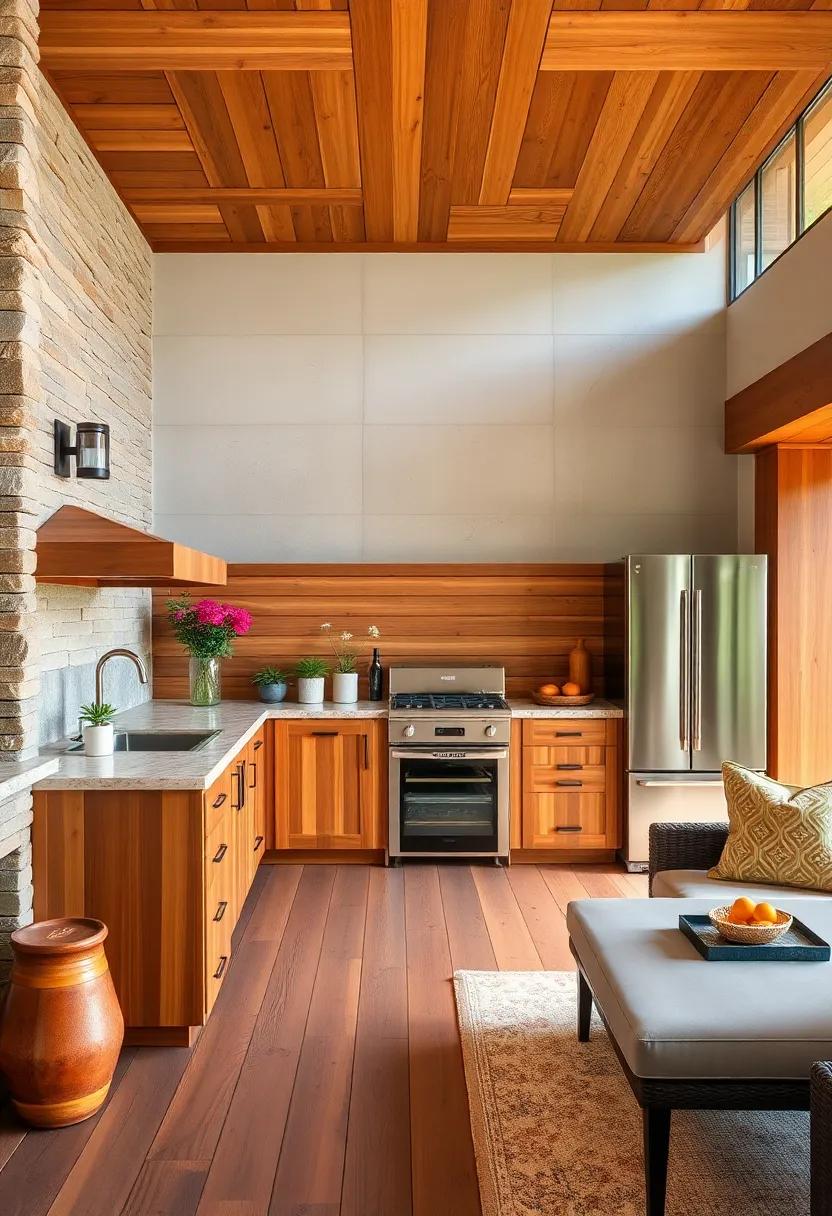
When it comes to outdoor cabinetry, few materials can match the stunning beauty and robustness of Redwood. This wood is not only lightweight, making it easy to maneuver and install, but it also boasts a natural resistance to decay, thanks to its high tannin content.Its rich, reddish hue adds a touch of elegance to any outdoor kitchen, creating a warm and inviting atmosphere. furthermore, Redwood’s ability to withstand changing weather conditions ensures that your cabinetry will maintain its aesthetic appeal for years to come.
In addition to its visual allure, Redwood is prized for its excellent workability, making it a favorite among craftsmen and DIY enthusiasts alike. It is easy to cut, shape, and assemble, allowing for creative freedom in design. Here are a few reasons why Redwood stands out for outdoor cabinetry:
- Natural Resilience: Resistant to moisture and pests
- Aesthetic Versatility: Complements various architectural styles
- Eco-Friendly: Sourced from lasting forests
- Low Maintenance: Requires minimal upkeep to retain beauty
Mahogany – Offering a rich, deep color and resistance to the elements, mahogany is a classic choice that elevates the aesthetic of any outdoor space
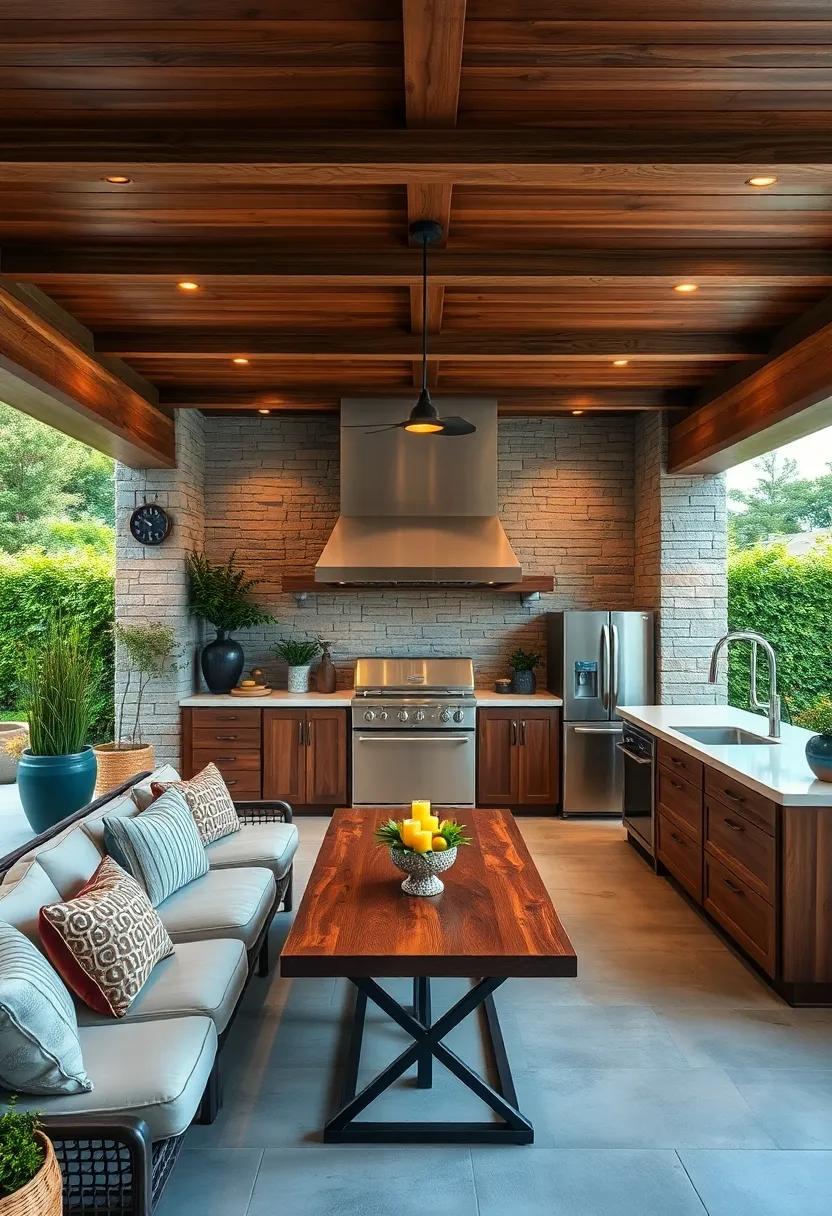
Renowned for its impressive hue,mahogany brings a touch of sophistication to any outdoor culinary environment. The deep, reddish-brown color of this wood can create a striking contrast against vibrant greenery and other elements of nature, offering a timeless aesthetic that never goes out of style. As an added bonus, mahogany is naturally resistant to rot and decay, making it a fantastic choice for outdoor use. This durability ensures that your investment will stand the test of time, allowing you to focus on culinary delights rather than frequent maintenance.
When considering mahogany for your outdoor kitchen, keep these benefits in mind:
- Elegant Appearance: Adds a luxurious feel to any space.
- Weather Resistance: stands strong against sun, rain, and harsh conditions.
- Workability: Easy to carve and shape, enabling custom designs.
- Natural Oils: Contains oils that provide resistance to insects and pests.
| Feature | Benefit |
|---|---|
| Color | rich tones that enhance visual appeal |
| durability | Long-lasting performance in outdoor settings |
| Maintenance | Minimal upkeep needed for longevity |
Ipe – Known for its incredible density and durability, ipe is ideal for high-traffic areas and will withstand the test of time, rain or shine
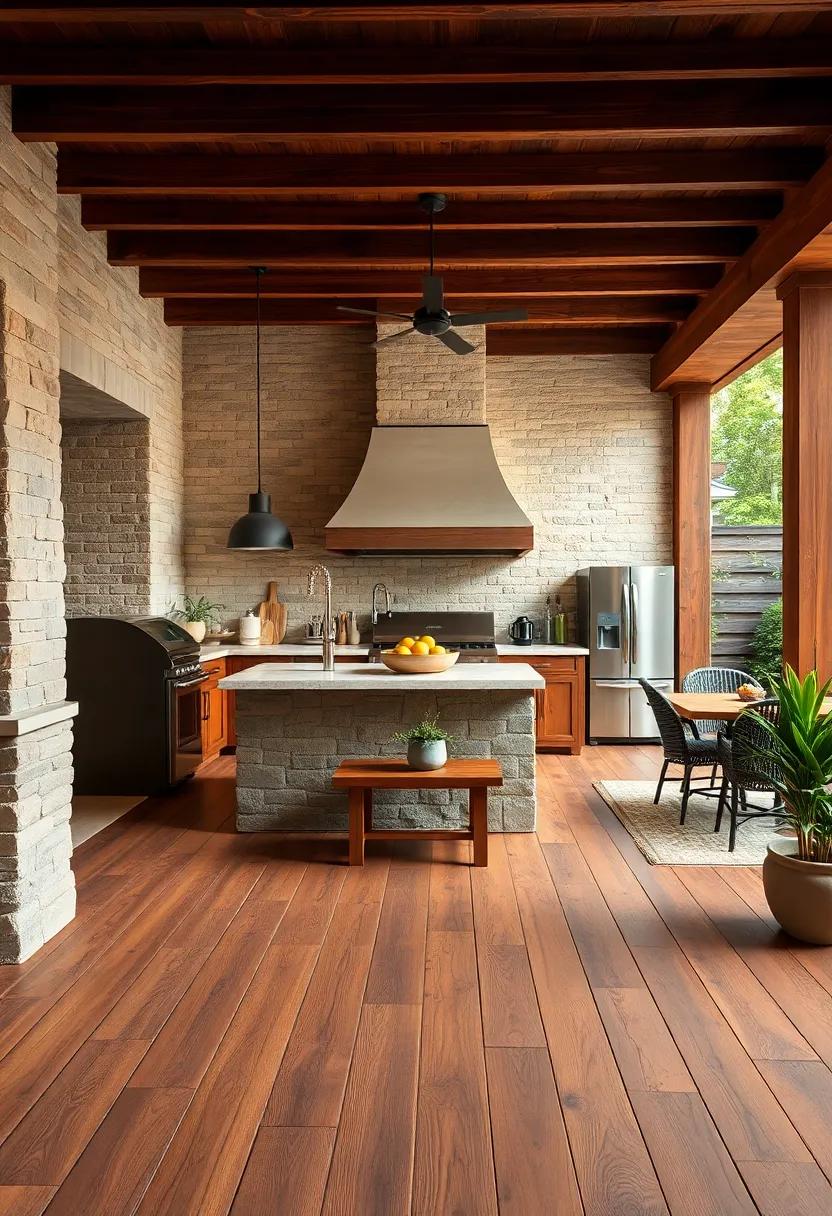
When it comes to building a resilient outdoor kitchen, few materials match the remarkable qualities of ipe wood. Praised for its incredible density, ipe serves as a robust option that thrives in any culinary environment. This exotic hardwood boasts a Janka rating of 3680, making it one of the hardest woods available; thus, it can easily handle the constant foot traffic and daily wear and tear associated with outdoor entertaining. Furthermore, ipe’s natural resistance to moisture ensures that it will endure rain and shine without warping or splintering, allowing you to cook and dine al fresco regardless of weather conditions.
Along with its durability,ipe offers a stunning aesthetic that can elevate the overall look of your outdoor kitchen. With rich brown tones and a naturally appealing grain pattern,this wood creates an inviting atmosphere,perfect for gatherings with family and friends. To ensure your ipe installation maintains its beauty over time, consider implementing routine maintenance practices such as oiling or sealing, preserving its luster while maximizing its lifespan. Plus, its sustainability, as a harvested wood regulated by responsible forestry practices, adds an eco-conscious edge to your outdoor culinary oasis.
Acacia – An eco-friendly option, acacia wood is both stylish and resilient, providing durability without sacrificing beauty
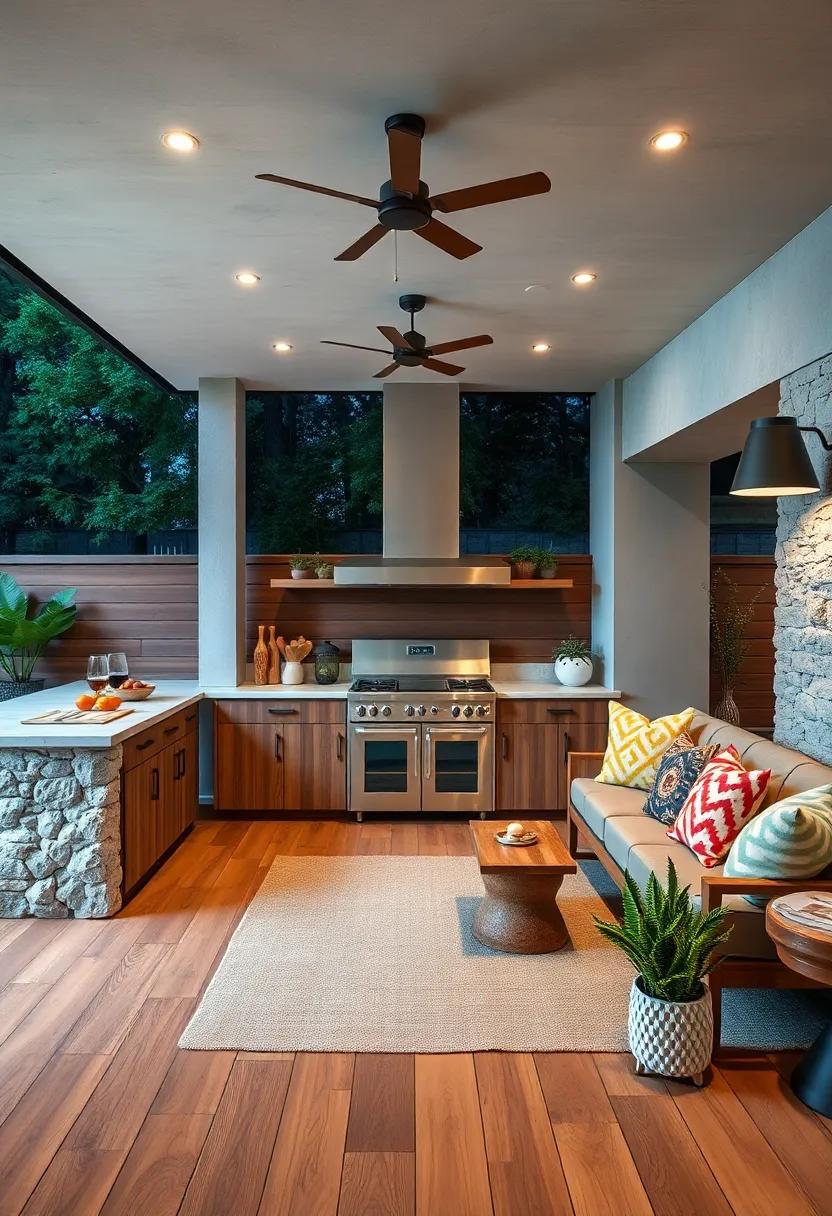
When it comes to creating an outdoor kitchen that exudes both elegance and practicality, acacia wood stands out as a top choice. Renowned for its stunning grain patterns and rich color variations, acacia brings a touch of natural beauty to any culinary space. This hardwood is not only visually appealing but also possesses impressive durability, capable of withstanding the elements without compromising its integrity. With its high resistance to moisture and pests, acacia is an excellent selection for outdoor furnishings and surfaces that are both stylish and functional.
Along with its aesthetic and resilient qualities, acacia wood is also an eco-conscious alternative. Sourced from sustainably managed forests,it provides an environmentally friendly option that aligns beautifully with outdoor living themes. Homeowners can take pride in their sustainable choices while enjoying the numerous advantages that acacia offers. The wood’s natural oils contribute to its longevity,making it easy to maintain and care for—ensuring that your outdoor kitchen remains a chic and durable centerpiece for years to come.
Cypress – The natural oils in cypress make it resistant to rot and pests, making it a smart and attractive choice for outdoor cooking areas
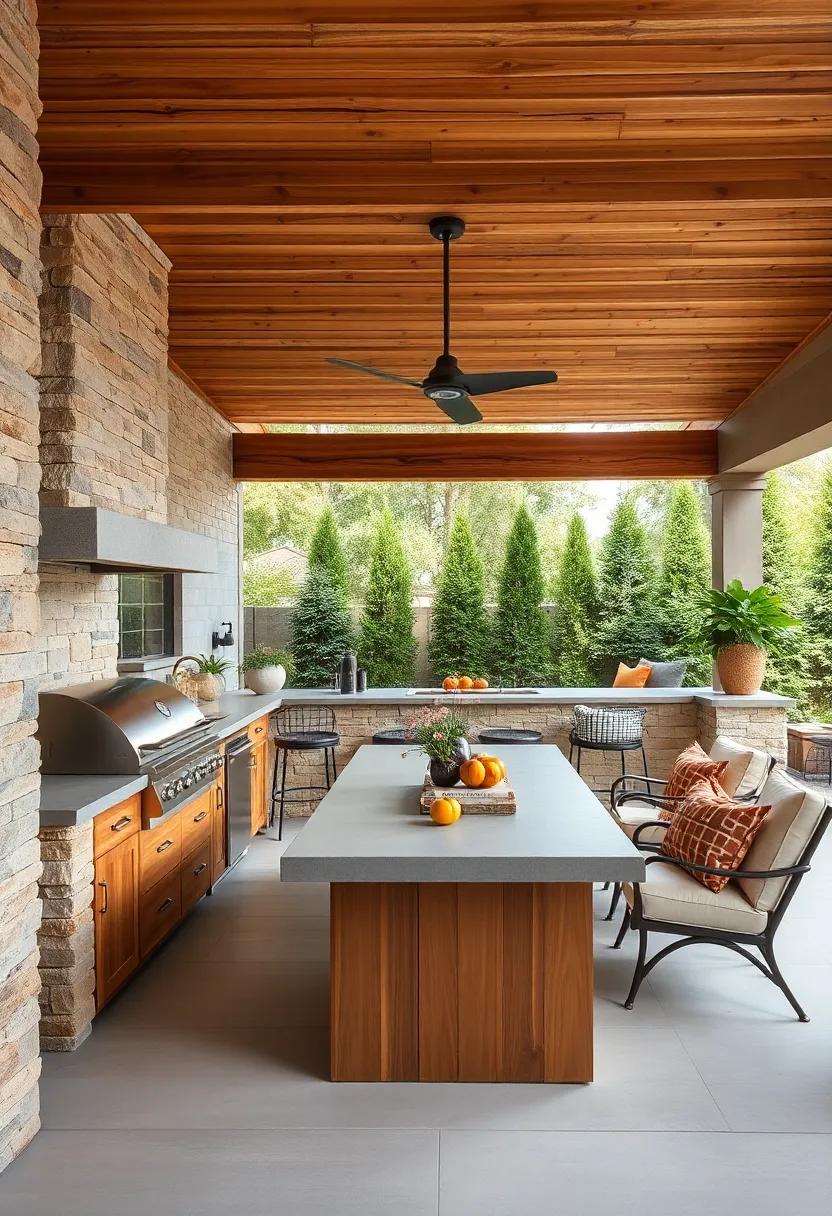
Cypress wood is a standout option for outdoor kitchen areas due to its inherent resilience and striking appearance.The natural oils present in cypress provide a remarkable defense against rot and pests, ensuring longevity and stability under outdoor conditions. This makes it a practical investment for homeowners, as they won’t have to worry as much about deterioration from humidity or insect damage. With its warm, rich hues and fine grain, cypress not only performs well functionally but also adds a touch of elegance to any culinary space.
When considering cypress for your outdoor kitchen, you’ll find a variety of benefits that enhance both aesthetics and usability. Here are some key features to consider:
- Durability: Cypress can endure the elements without warping or cracking.
- Low Maintenance: Its natural properties reduce the need for frequent treatments or sealants.
- Eco-Friendly: Sourced responsibly, cypress is a sustainable choice for environmentally conscious homeowners.
- Versatility: Complements various architectural styles, from rustic to modern.
Bamboo – A sustainable and lightweight option, bamboo brings a modern, tropical feel to your outdoor kitchen while being environmentally conscious
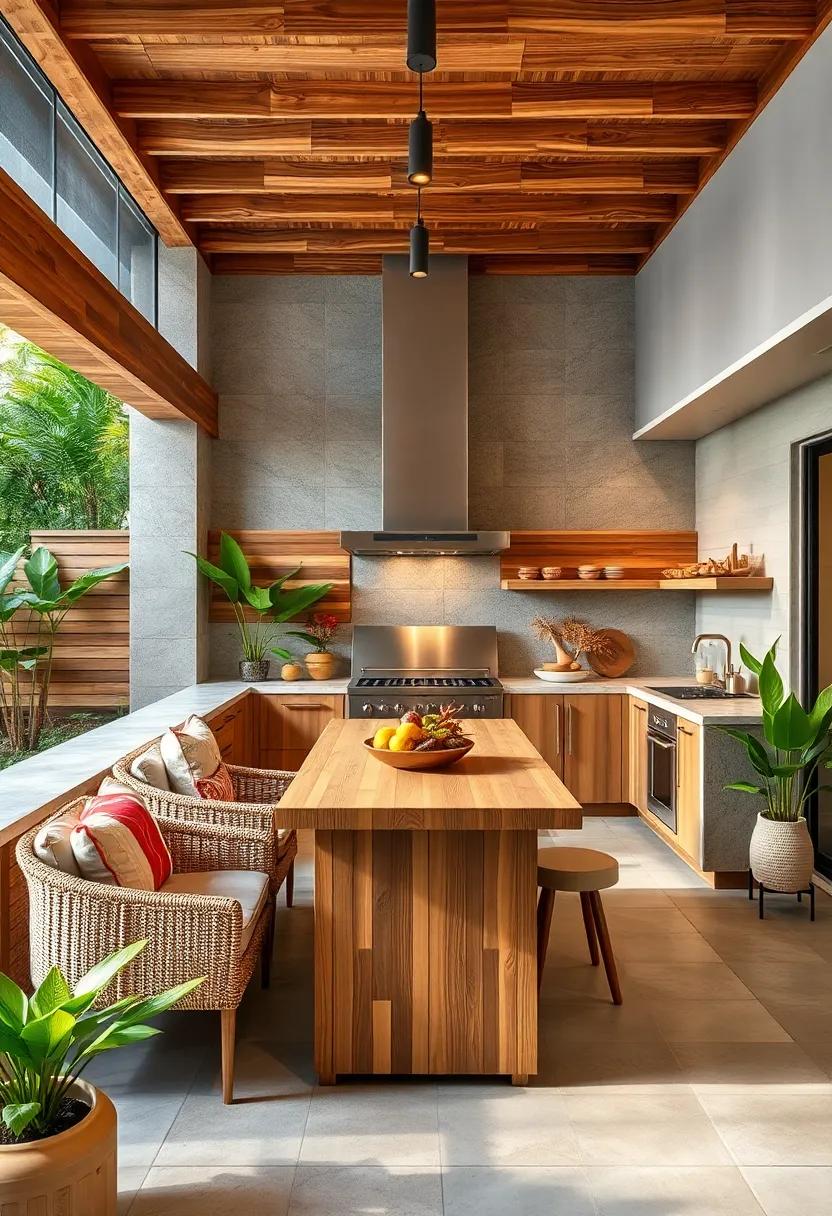
Bamboo is not just a remarkable material; it embodies a modern aesthetic that resonates with the allure of tropical settings. As a rapidly renewable resource, bamboo grows to maturity within three to five years, making it an eco-friendly choice that supports sustainable practices. Its lightweight nature allows for easy handling and installation, ensuring your outdoor kitchen remains stylish without sacrificing durability. The unique texture and color variations of bamboo can seamlessly blend with other elements in your outdoor space, offering a fresh and inviting atmosphere.
Moreover, bamboo’s natural resistance to moisture and pests enhances its suitability for outdoor kitchens, as it withstands the elements better than many customary woods. With proper treatment and maintenance, bamboo can last for many years, proving to be a wise investment.Consider incorporating bamboo into your outdoor kitchen in ways such as:
- Countertops: durable and visually appealing surfaces for food planning.
- Cabinetry: Create a sleek, modern look that is also practical.
- bar stools and furniture: lightweight and easy to move, perfect for entertaining.
To further enhance your outdoor kitchen, here’s a rapid comparison table highlighting bamboo’s benefits:
| Feature | Bamboo | Traditional Woods |
|---|---|---|
| Growth Rate | 3-5 years | Decades |
| Weight | Lightweight | Varies (usually heavier) |
| Moisture Resistance | High | Low to moderate |
| Sustainability | High | Variable |
Douglas Fir – Known for its strength and aesthetic appeal, Douglas fir is a versatile option that combines rustic charm with resilience
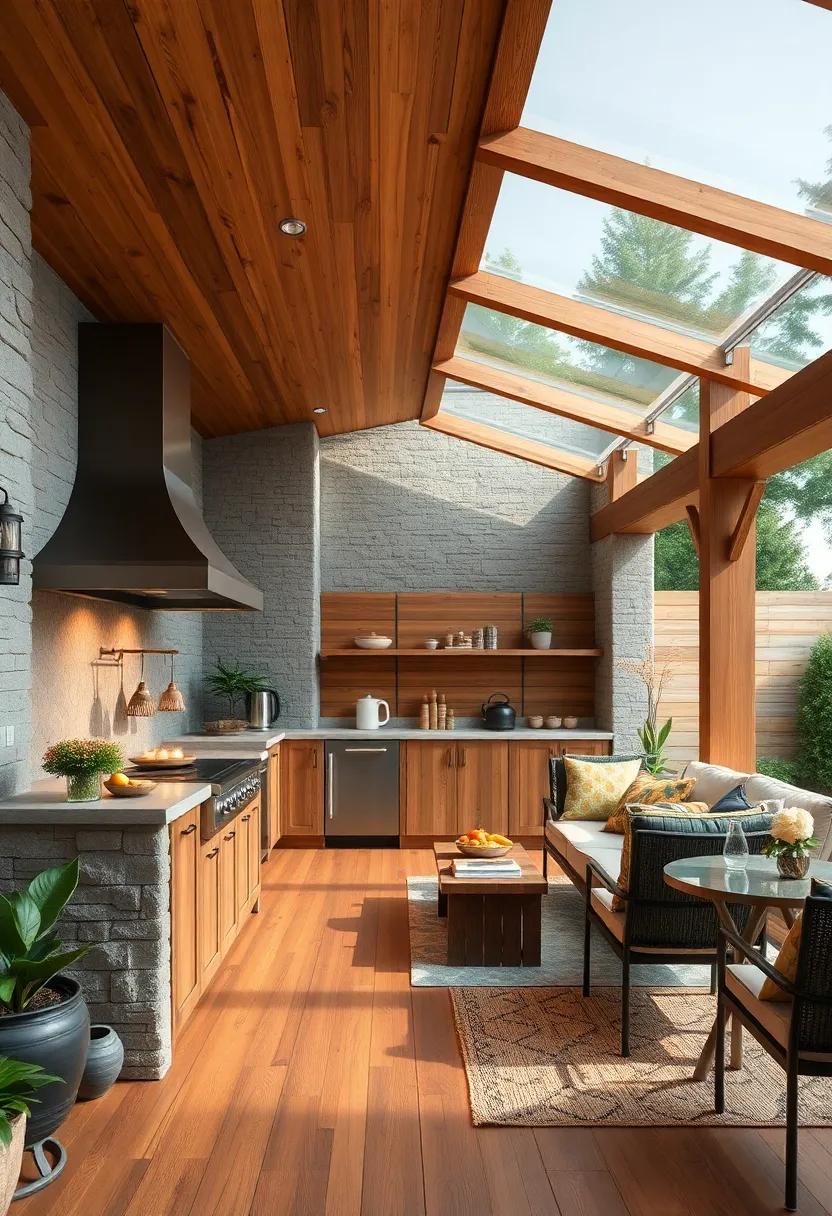
Renowned for its remarkable balance of beauty and durability, Douglas fir captures attention with its rich, warm tones and distinctive grain patterns. This wood is not just aesthetically pleasing; it is a popular choice among homeowners and designers alike for its robust structural integrity. Whether you are constructing outdoor kitchen cabinets, countertops, or open shelving, Douglas fir offers a magnificent blend of rustic charm and modern functionality. It gracefully withstands the test of time, making it an excellent investment for any culinary space.
In addition to its strength, Douglas fir is surprisingly versatile and can be treated with various finishes to enhance its appearance and increase its lifespan. This tree species is frequently enough favored for its natural resistance to bending and warping, allowing your outdoor kitchen to maintain its beauty and resilience even under challenging weather conditions. moreover, the wood’s capacity to hold stains and paints well means you can customize it to match any desired style or color scheme, whether you are aiming for a classic look or a contemporary vibe. key attributes of Douglas fir include:
- Strength: Ideal for load-bearing structures.
- Aesthetic Appeal: Rich color and notable grain.
- Versatility: Easy to adapt to various styles.
- Durability: Resistant to warping and bending.
- Finishing Options: Takes stains and paints beautifully.
Black Locust – Extremely hard and durable, black locust is naturally resistant to decay and offers a unique grain that adds character to outdoor furniture
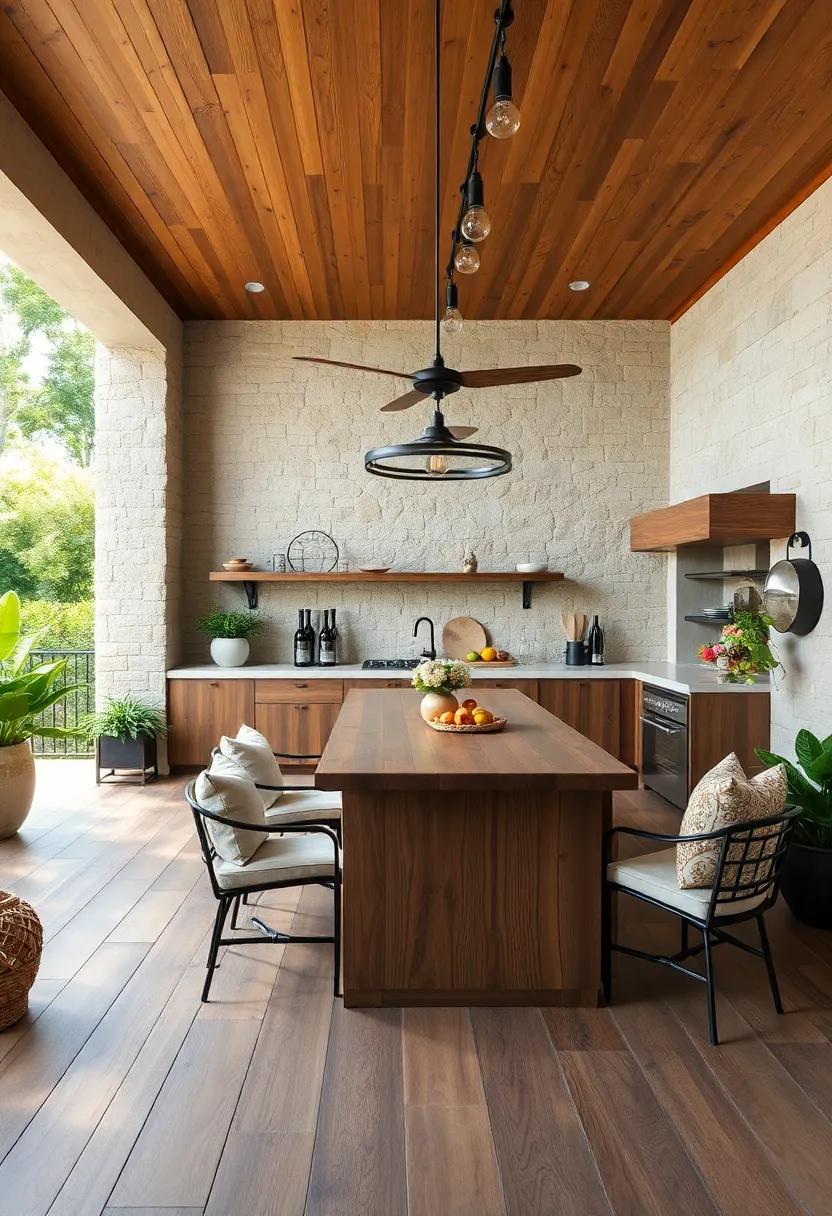
When it comes to building a robust outdoor kitchen, few woods can rival the strength and beauty of black locust. This remarkable wood stands out not only for its impressive durability but also for its natural decay resistance, making it an excellent choice for outdoor furniture that can withstand the elements. Whether you’re crafting a stunning dining table, elegant bar stools, or sturdy cabinetry, black locust’s unique grain patterns provide a visually striking aesthetic that elevates your space while boasting longevity.
Another advantage of using black locust is its eco-friendliness. As one of the fastest-growing hardwood trees,it’s a sustainable choice for environmentally conscious builders. Moreover, its dark hue deepens over time, enhancing the wood’s character and charm. here are some standout features of black locust:
- Resistant to termites and fungal decay
- Beautifully textured grain that adds style
- Natural ability to weather the outdoors effectively
To further illustrate its merits,consider the following table comparing black locust with other popular outdoor kitchen woods:
| Wood Type | Durability | Decay Resistance | Visual Appeal |
|---|---|---|---|
| Black Locust | ⭐⭐⭐⭐⭐ | ⭐⭐⭐⭐⭐ | ⭐⭐⭐⭐ |
| cedar | ⭐⭐⭐⭐ | ⭐⭐⭐⭐ | ⭐⭐⭐⭐⭐ |
| Teak | ⭐⭐⭐⭐⭐ | ⭐⭐⭐⭐ | ⭐⭐⭐⭐⭐ |
Choosing black locust for your outdoor kitchen not only guarantees a stylish and durable space but also invites a sense of connection to nature,enhancing your culinary experience.
Chestnut – With its warm tones and natural resistance to decay, chestnut is a traditional choice that brings classic elegance to outdoor kitchens
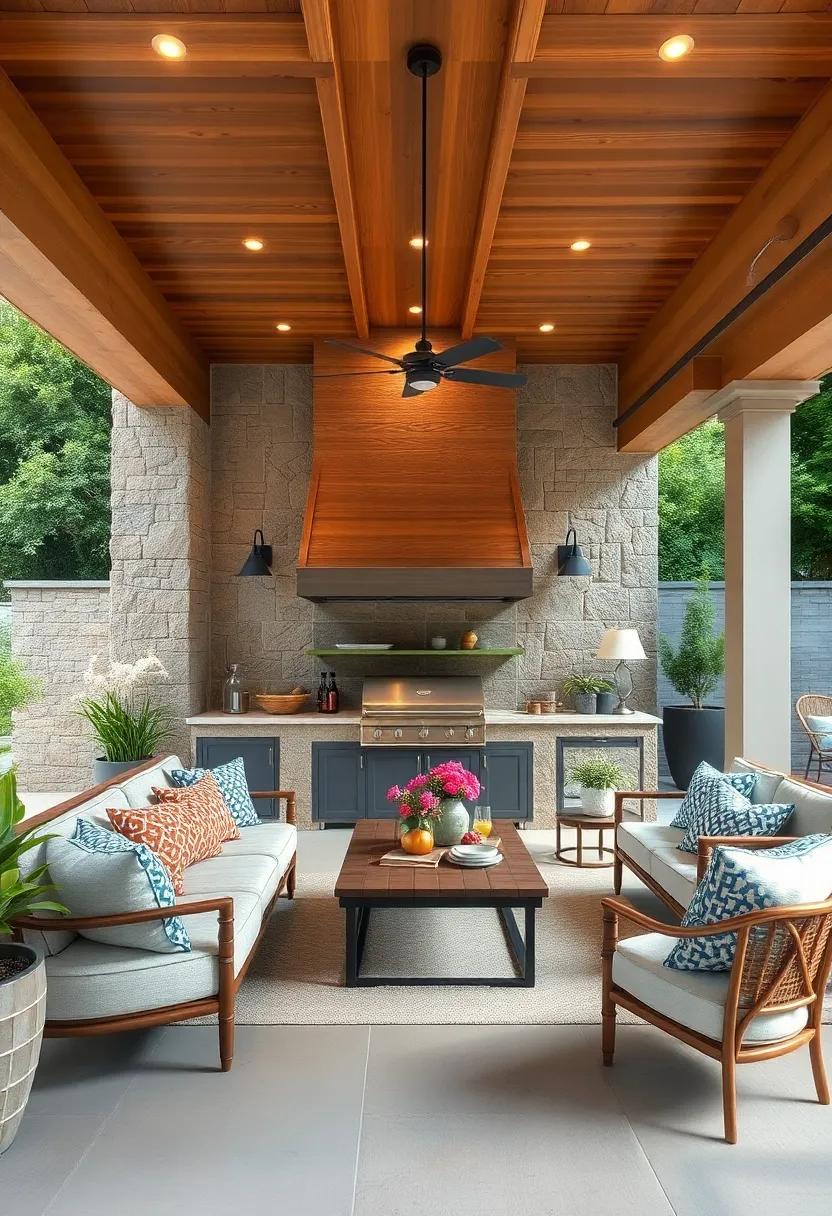
Chestnut wood offers a unique blend of aesthetic appeal and practical functionality, making it an ideal candidate for outdoor kitchens.Its warm, rich tones can harmonize beautifully with natural surroundings, providing an inviting atmosphere that enhances any culinary experience. Beyond its stunning appearance,chestnut is known for its remarkable resistance to decay,allowing it to withstand the elements better than many other woods. This natural durability ensures that your outdoor kitchen not only looks good but also stands the test of time, minimizing the need for frequent maintenance or replacement.
Incorporating chestnut into your outdoor kitchen design can be achieved through various elements, such as cabinetry, countertops, or even accent pieces. Here are some advantages of using this splendid wood:
- Timeless Elegance: Chestnut’s classic look complements a range of styles, from rustic to modern.
- Natural Resistance: The wood’s inherent properties make it highly resistant to rot and decay.
- Easy to Work With: Chestnut is relatively easy to work with,allowing for customized designs that fit your specific needs.
- Outstanding Aging: Over time, chestnut develops a beautiful patina, enhancing its character.
White Oak – A strong and water-resistant wood, white oak is ideal for structural elements like countertops and tables in outdoor settings
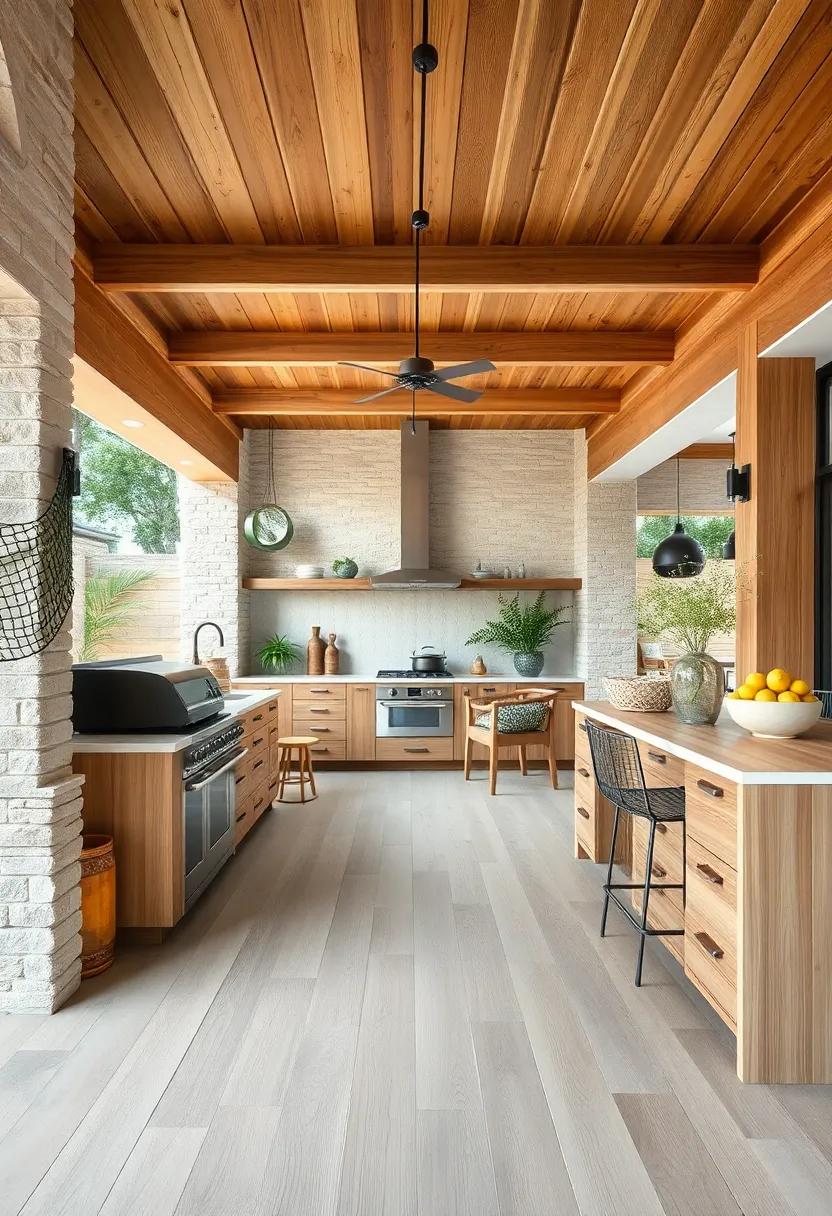
When it comes to crafting outdoor kitchen elements that can withstand the elements while still providing aesthetic appeal, white oak stands out as an remarkable choice.This wood is not only known for its remarkable strength but also for its impressive water resistance, making it ideal for outdoor countertops and tables. Its natural ability to repel moisture ensures longevity, allowing you to invest in pieces that will endure the test of time. Whether you are preparing a casual meal or hosting a grand gathering,white oak offers a blend of durability and elegance that is hard to match.
Along with its functional benefits, white oak brings a beautiful, rich grain that enhances the visual appeal of outdoor spaces. With a warm honey or golden tone, it adds a sophisticated touch that can elevate any culinary setting.Consider the following features of white oak that make it a prime choice for outdoor constructions:
- Natural Resistance: White oak is naturally resistant to water and pathogens,making it less prone to warping or decay.
- Sturdy Construction: Its density and strength ensure that outdoor tables and countertops can handle heavy use.
- Versatile Aesthetics: The beautiful grain patterns allow for versatile design options, suiting both rustic and modern styles.
Southern Yellow Pine – This budget-friendly option is easy to work with and can be treated for durability, making it a popular choice for DIY projects
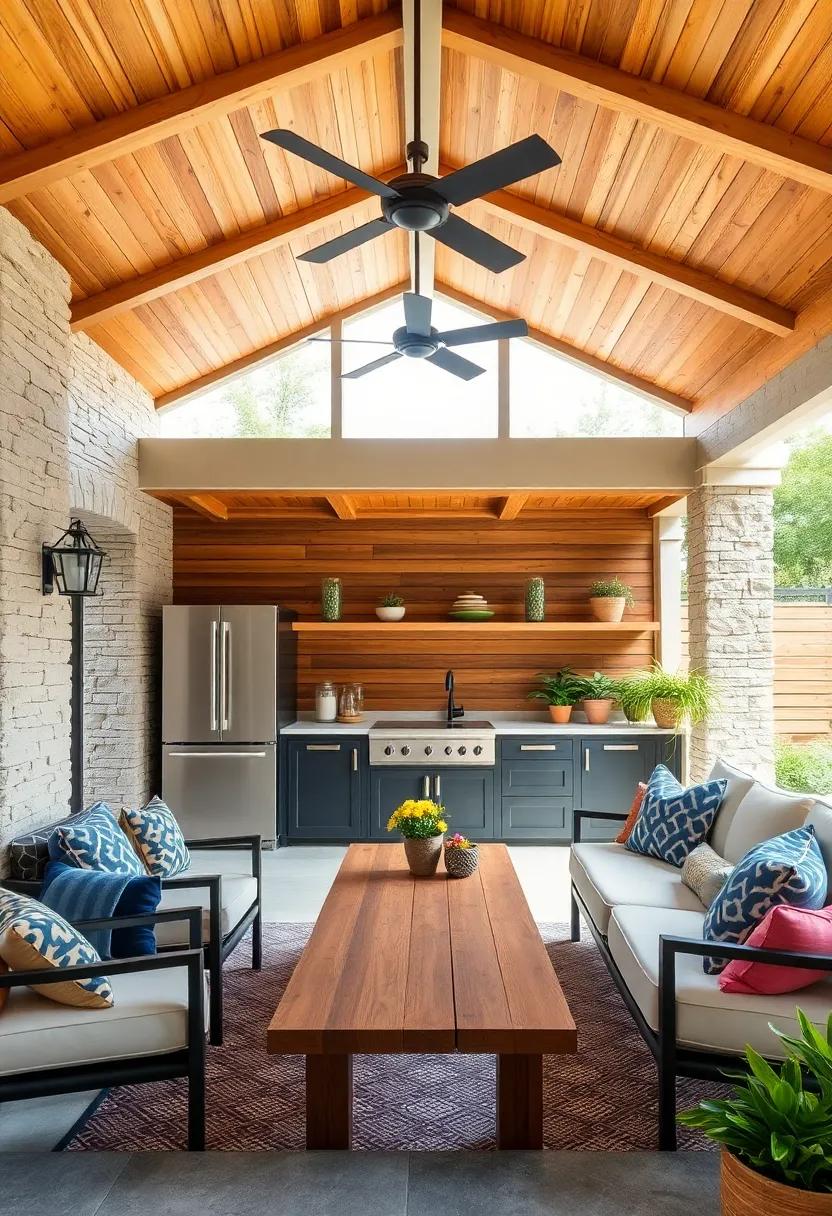
when it comes to creating a beautiful outdoor kitchen without breaking the bank, Southern Yellow Pine rises to the occasion as a reliable choice. Its affordability doesn’t sacrifice quality, making it a favored option among DIY enthusiasts.This wood is not only cost-effective but also incredibly easy to work with. It boasts a straight grain and uniform texture,which allows for smoother cuts and simpler construction processes,whether you’re building a countertop,cabinets,or shelving. Furthermore, its lightweight composition means handling and installation are straightforward tasks.
To enhance the lifespan of Southern Yellow Pine, it is indeed advisable to apply treatments that protect it against the elements. This wood’s natural resistance is commendable, but with the right preservatives, it can withstand moisture, decay, and pests, ensuring your outdoor kitchen remains functional and aesthetic for years to come.Consider these options for treatment that will boost durability:
- water repellent Sealers - To fend off moisture.
- Wood Stains – for UV protection and color enhancement.
- Chemical Preservatives – To deter insects and prevent rot.
Birch – Known for its fine grain and light color, birch can be used in various applications, offering a sleek finish that brightens outdoor spaces
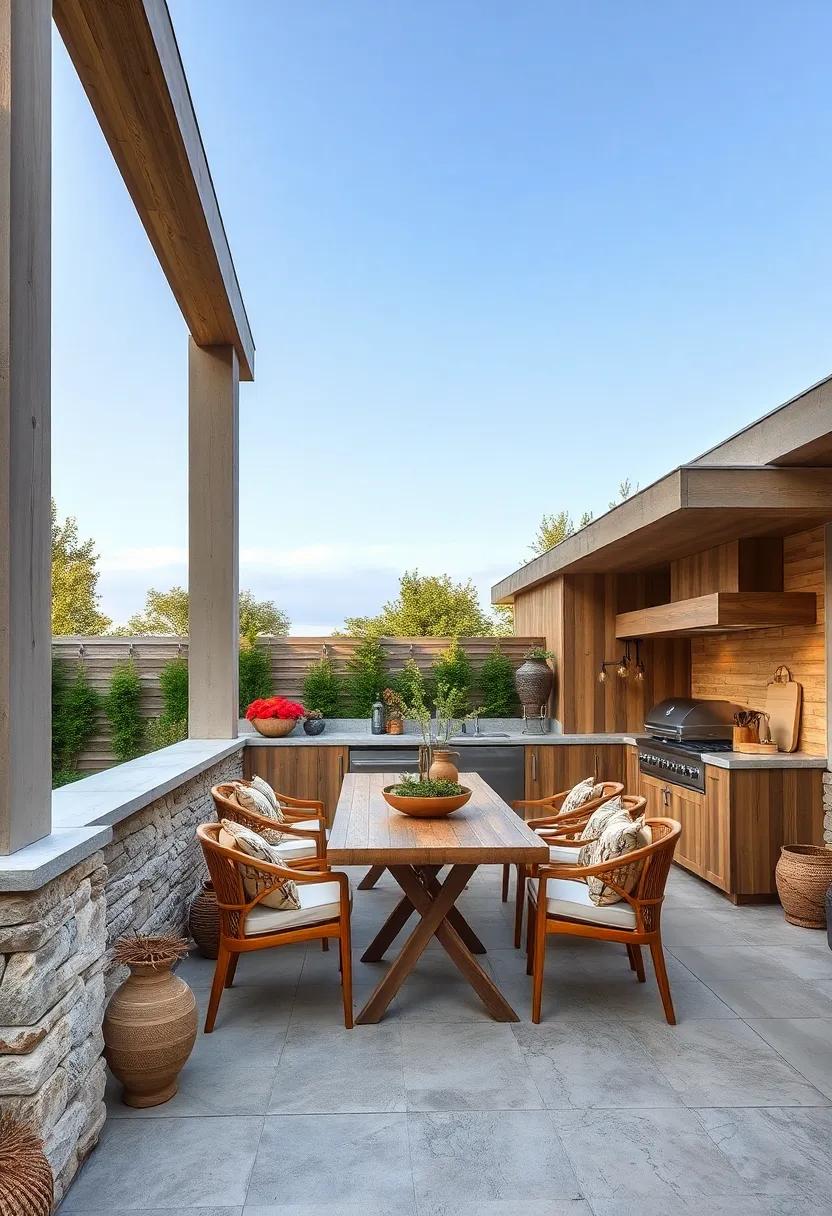
Birch wood is celebrated for its fine grain and light color, making it an exceptionally appealing choice for outdoor kitchens. Its naturally elegant appearance enhances the visual appeal of culinary spaces,contributing to a bright and inviting atmosphere. When used in cabinetry,countertops,or even as decorative elements,birch exudes a clean and modern aesthetic. Its smooth surface not only looks stunning but is also practical for food preparation areas, as it is indeed easy to clean and maintain.
Furthermore, birch is a versatile material that works well in various outdoor kitchen applications. It is known for its durability and resistance to moisture, making it suitable for environments that experience weather fluctuations. here are some of the prominent uses of birch in outdoor settings:
- Countertops: Ideal for stylish cooking surfaces.
- Cabinets: Excellent for storing kitchen essentials.
- Furniture: Great for creating seating and dining areas.
- Bar Tops: Adds sophistication to outdoor bars.
To highlight the benefits of birch in your outdoor kitchen, consider this comparison of its characteristics:
| Feature | Birch |
|---|---|
| Grain | Fine, smooth texture |
| Color | Light, bright hues |
| Moisture Resistance | Moderate |
| Maintenance | Easy to clean |
Ponderosa pine – With its appealing golden hue, Ponderosa pine adds warmth to any outdoor kitchen while providing strength and durability
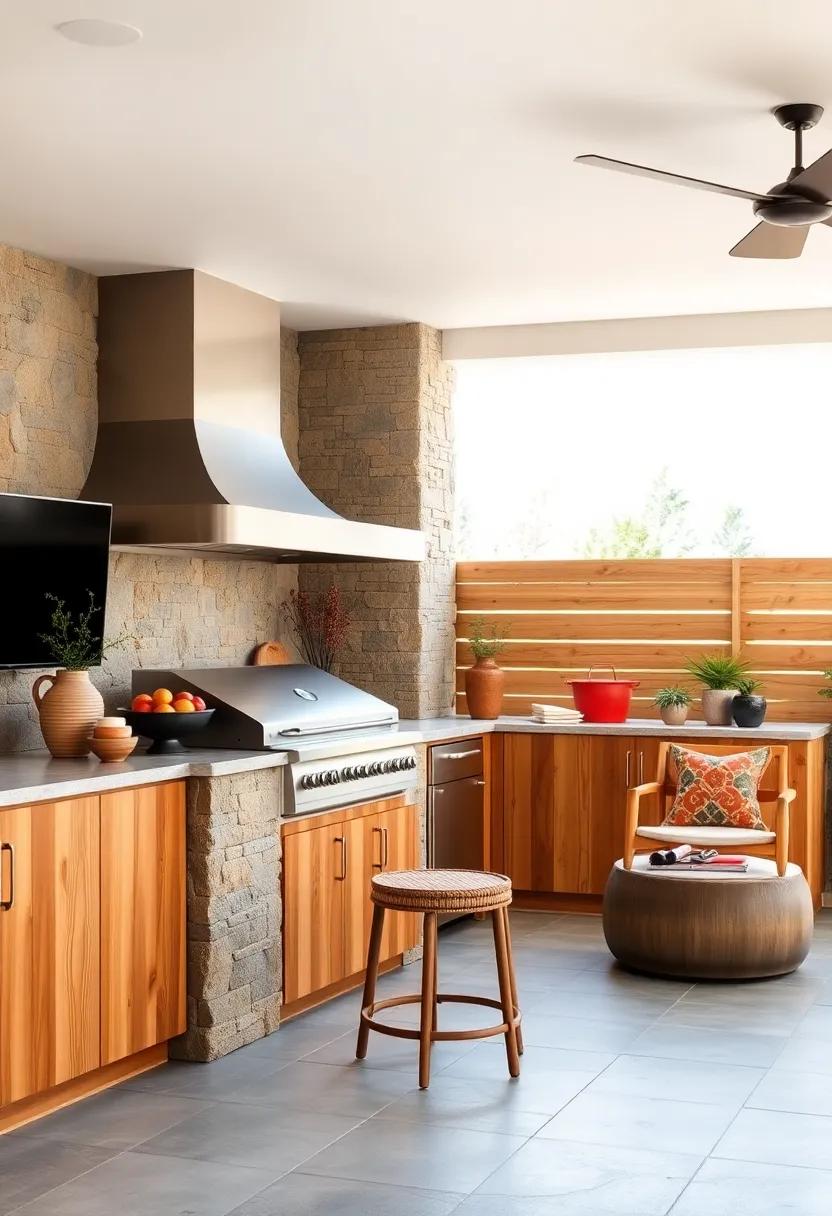
Ponderosa pine is a quintessential choice for outdoor kitchens, celebrated not only for its striking golden hue but also for its robust characteristics. This wood has a unique ability to blend seamlessly with natural surroundings, providing a cozy and inviting atmosphere that encourages culinary creativity. The warmth of the gold tones adds a touch of elegance, making it a standout material for both cabinetry and structural elements.
Additionally, Ponderosa pine is renowned for its strength and durability, which are essential traits for outdoor use. This wood species is resistant to warping and splitting, even in the fluctuating conditions typical of open-air environments. Here are some key benefits of choosing Ponderosa pine for your outdoor kitchen:
- Natural Insulation: Helps maintain temperature while cooking.
- Lightweight: Easier to handle and install compared to heavier hardwoods.
- Eco-Friendly: Sourced sustainably, making it a great choice for environmentally conscious homeowners.
| Feature | Benefits |
|---|---|
| Appearance | Striking golden hue |
| Durability | Strong and resistant to warping |
| Maintenance | Easy upkeep with proper sealing |
Jarrah – An exotic hardwood, jarrah boasts stunning hues and a tight grain that makes it both beautiful and long-lasting under outdoor conditions
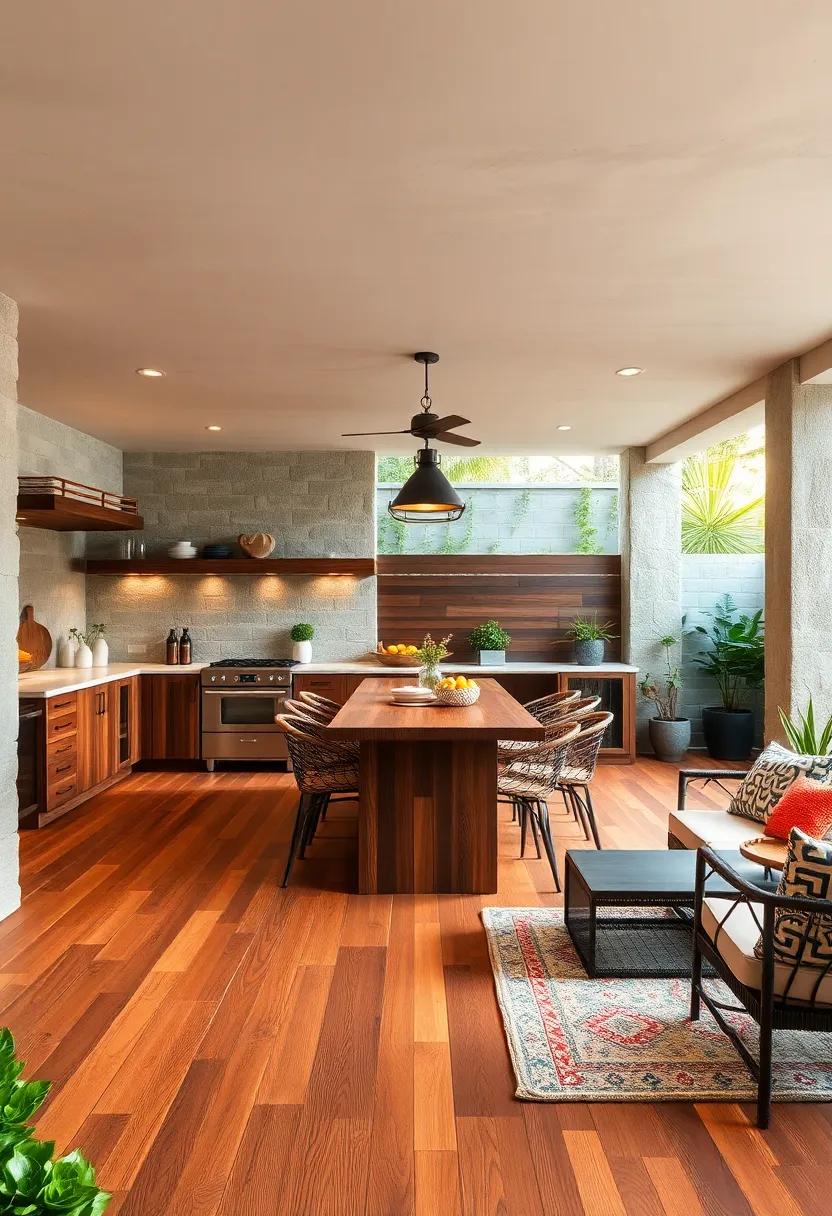
When it comes to choosing the perfect wood for an outdoor kitchen, few options rival the exotic charm of jarrah. This stunning hardwood hails from the eucalyptus species native to Western Australia, presenting a captivating palette of rich reds and deep browns that transform any culinary space into a visual delight. its beautiful hues aren’t just for show; jarrah also features a tight grain that not only enhances its aesthetic appeal but also contributes to its remarkable durability. This means it can withstand the elements while resisting both moisture and decay, ensuring your outdoor kitchen remains as striking as the day it was installed.
Beyond its beauty and resilience, jarrah boasts an impressive set of features that make it ideal for outdoor culinary experiences. Here are some key benefits of choosing jarrah for your kitchen:
- Weather Resistance: Exceptional ability to withstand rain, sun, and fluctuating temperatures.
- Low Maintenance: Requires little upkeep, allowing you to focus more on cooking and entertaining.
- Termite Resistant: Naturally resistant to pests, prolonging the lifespan of your outdoor installations.
Whether you opt for jarrah countertops, cabinets, or even accents, this hardwood not only elevates the style of your cooking environment but also ensures that it is built to last. Investing in jarrah means embracing a blend of functionality and elegance that will serve you well through countless outdoor gatherings.
elm - Elm is not only visually appealing, but its interlocking grain helps prevent warping, making it a practical choice for outdoor kitchens
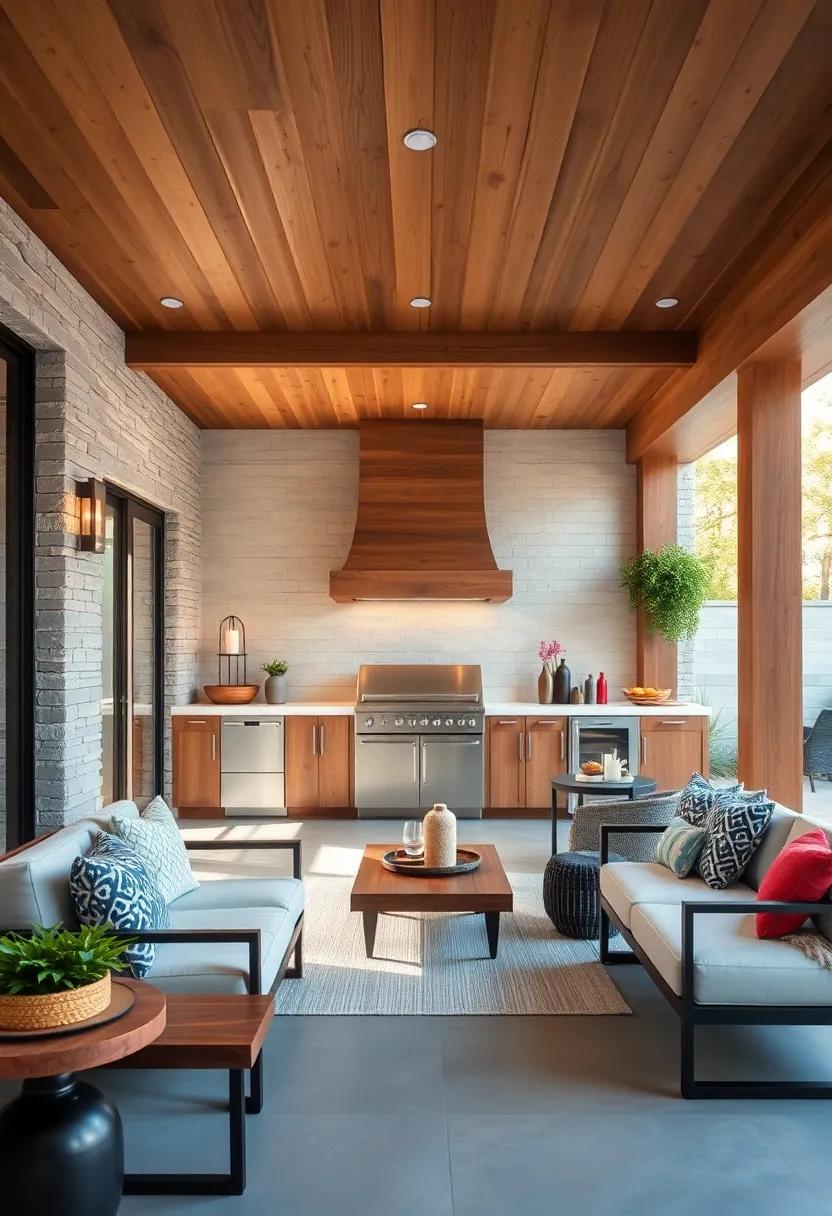
When it comes to creating a stunning outdoor kitchen, elm wood truly stands out. Its rich, warm tones and distinct grain patterns lend a natural elegance that complements the beauty of outdoor living spaces. Beyond its aesthetic appeal, elm’s unique interlocking grain structure is instrumental in resisting warping. This characteristic makes it especially well-suited for various outdoor applications, including cabinetry and countertops, where temperature fluctuations and humidity changes are commonplace.
in addition to its structural benefits,elm wood is generally resistant to pests and decay,which enhances its longevity in an outdoor environment. When choosing elm for your culinary space,consider these advantageous features:
- Stability: The interlocking grain design minimizes deformation over time.
- Visual Variety: Elm offers a spectrum of colors and textures,allowing for personalized styling.
- Durability: Exceptional resistance to warping and a longer lifespan compared to many other woods.
Mahogany - With its rich tone and resilience, mahogany is an excellent option for countertops and cutting boards, combining beauty with functionality
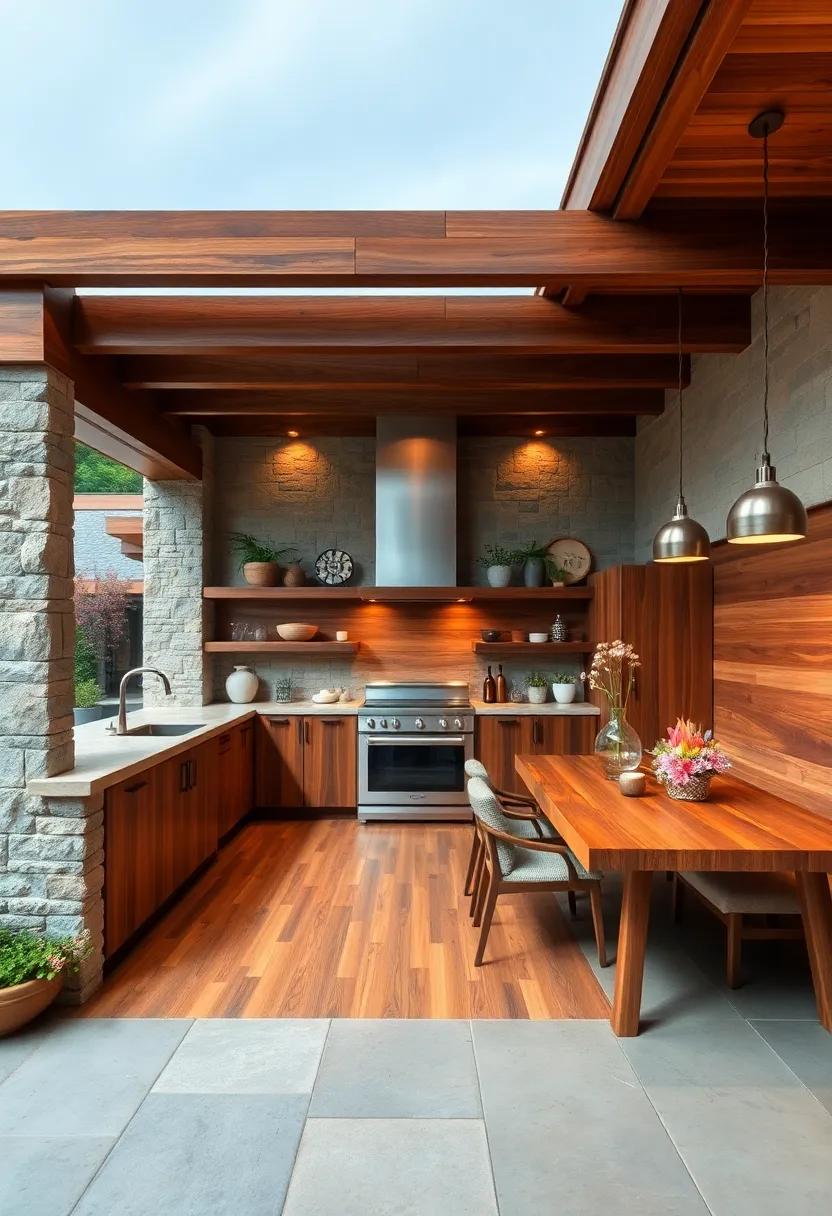
Renowned for its stunning deep hues and fine grain,mahogany elevates the aesthetic of any outdoor kitchen. The wood’s natural reddish-brown coloring adds warmth and sophistication, making it more than just a practical choice. Its durability ensures that mahogany countertops can withstand the rigors of outdoor cooking and entertaining, from heavy pots to daily wear and tear. Climate-resilience is another plus, as mahogany exhibits excellent resistance to moisture and temperature fluctuations, making it ideal for environments subjected to changing weather conditions.
When selecting mahogany for countertops or cutting boards,consider the following advantages:
- Elegant Appearance: The rich,lustrous surface of mahogany enhances any culinary space with an upscale feel.
- Natural Resistance: its oils help repel water, bacteria, and pests, ensuring a safe cooking surface.
- Workability: Mahogany is easy to cut,sand,and finish,providing flexibility for custom designs.
- Longevity: When properly cared for,mahogany can last for generations,maintaining its beauty over time.
| Feature | Benefit |
|---|---|
| Visual Appeal | Luxurious aesthetics that enhance outdoor settings |
| Durability | Withstands wear,making it perfect for kitchen use |
| moisture Resistance | Maintains integrity in varying humidity levels |
Walnut – Dark and luxurious,walnut not only stands out visually but also offers strength and a beautiful texture for outdoor surfaces
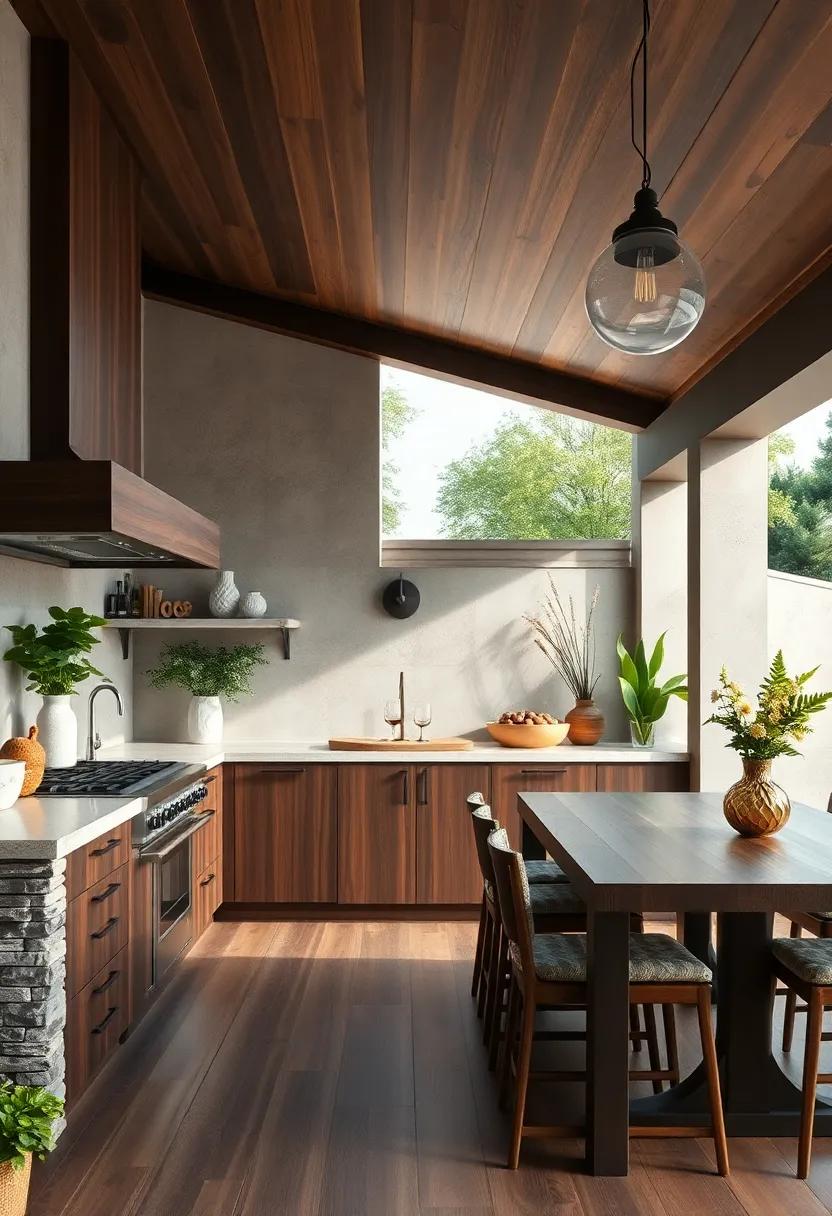
Rich in color and texture, walnut wood exudes a sense of sophistication that elevates any outdoor kitchen design. Its deep, chocolate tones and intricate grain patterns create a striking visual impact, making it an excellent choice for those looking to add a touch of elegance to their culinary spaces. Beyond its aesthetic appeal, walnut is known for its durability and resistance to decay, which is essential for outdoor applications. This hardwood can withstand the elements, ensuring that your outdoor kitchen maintains its beauty and functionality for years to come.
Moreover, walnut offers a natural warmth that invites guests to gather and cook, fostering an environment of culinary creativity.Its smooth texture not only feels luxurious but also provides a practical surface for food preparation and entertainment. With proper care and maintenance,walnut can effortlessly transition from a stunning surface to a reliable workspace. Here are some key benefits of using walnut in your outdoor kitchen:
- Elegant Appearance: Dark hues and rich patterns add style.
- Strong and Resilient: Withstands moisture and decay.
- Agreeable Texture: Smooth surface for ease of cooking.
- Long-lasting: Can maintain its beauty with minimal upkeep.
Ash – Known for its light color and straight grain, ash is sturdy and performs well in outdoor environments while providing a modern touch
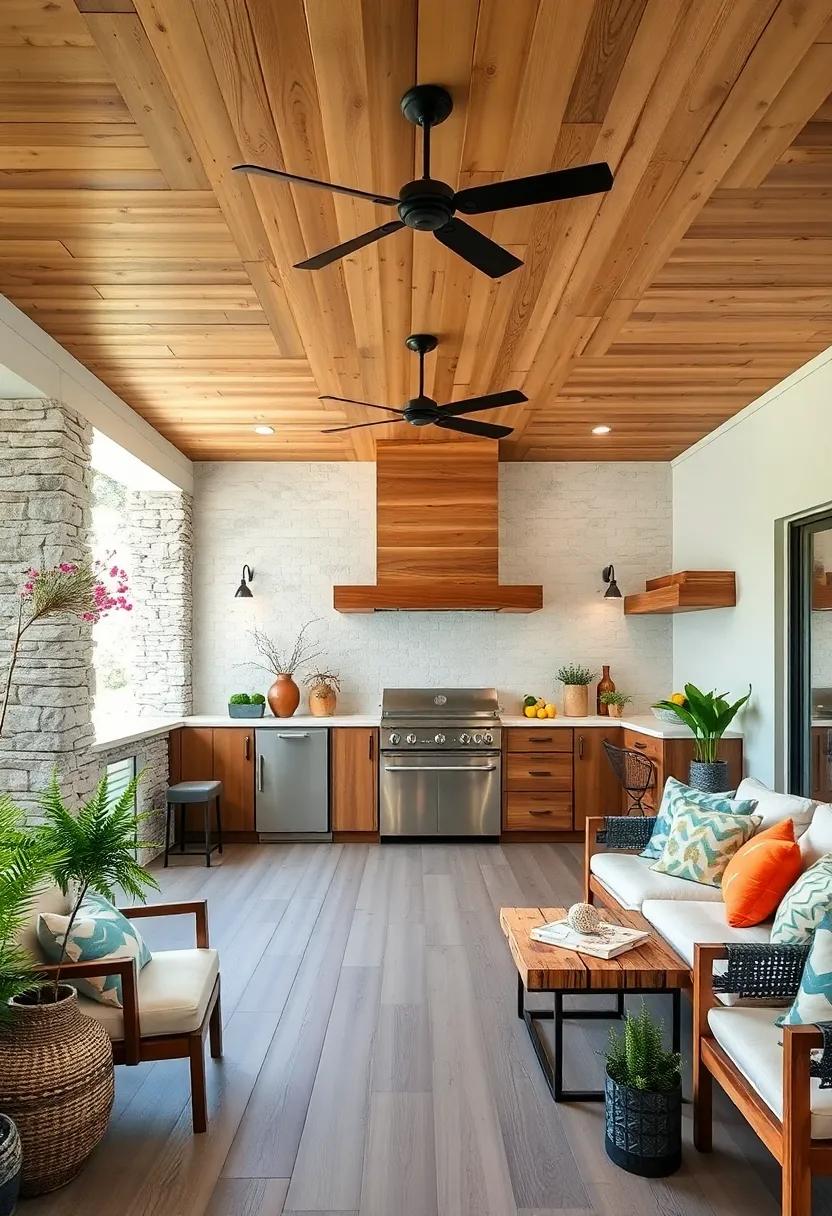
Ash is a versatile hardwood that stands out with its light-colored finish and straight grain patterns, making it a favorite for those seeking a modern aesthetic in outdoor kitchen designs. Its natural resilience and strength make it exceptionally durable, perfect for enduring the whims of outdoor weather conditions, whether it be rain, sun, or wind. When treated properly, ash wood not only holds up against the elements but also provides an elegant backdrop for culinary activities, enhancing the overall ambiance of your outdoor space.
In terms of functionality, ash is known for its ability to withstand heavy use, making it a practical choice for countertops, cabinets, and furniture in outdoor kitchens. Its straightforward grain not only highlights the beauty of the wood but also makes for easier maintenance. To help you better understand the benefits of ash wood, here’s a simple comparison of its qualities:
| quality | Details |
|---|---|
| Color | Light hue that brightens the space |
| Grain | Straight grain pattern adds sophistication |
| Durability | Resistant to weathering and heavy usage |
| Maintenance | Easy to clean and maintain |
Sapele – This African hardwood is beautiful and durable, providing a unique look while standing strong against the elements
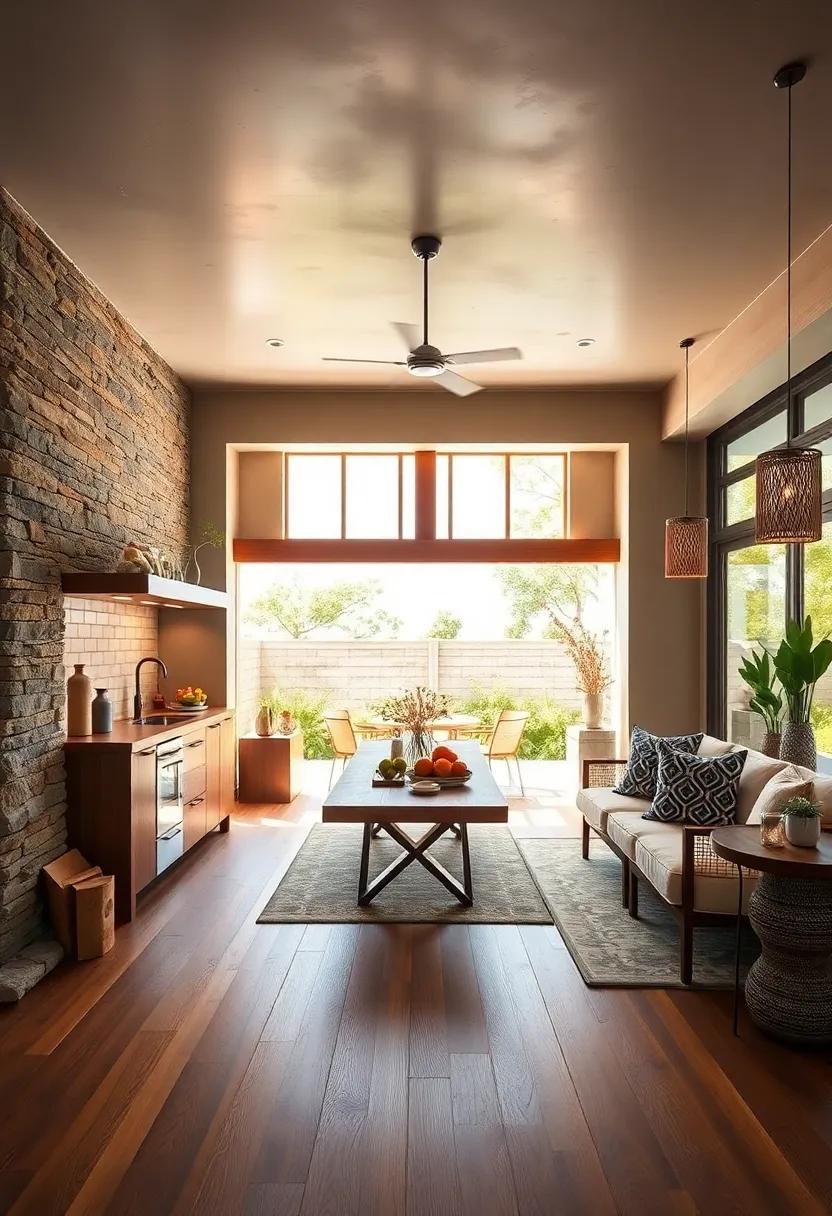
sapele brings a stunning aesthetic to outdoor kitchens, its rich, reddish-brown hue enhancing the natural beauty of any culinary space. This African hardwood is not only visually appealing but also boasts impressive durability, making it a top choice for outdoor applications. From cabinets to countertops, Sapele adds a touch of elegance while standing resilient against the harsh elements. Its straight grain and fine texture create an inviting atmosphere,encouraging gatherings around the grill or the outdoor dining table.
One of the standout features of Sapele is its resistance to moisture, decay, and insect damage, ensuring that your investment lasts for years without compromising on beauty. When properly sealed, this wood can endure varying climates, making it perfect for those who enjoy outdoor cooking regardless of the season. Consider these benefits when incorporating sapele into your space:
- Natural Resistance: With exceptional durability,Sapele is less likely to warp or crack than other woods.
- Unique Grain Patterns: Each piece showcases unique patterns and colors, making every installation one-of-a-kind.
- Environmental sustainability: Sapele is responsibly sourced, contributing to eco-friendly building practices.
Parota – With its striking patterns and rich colors, parota not only enhances the style of outdoor kitchens but is also robust for outdoor use
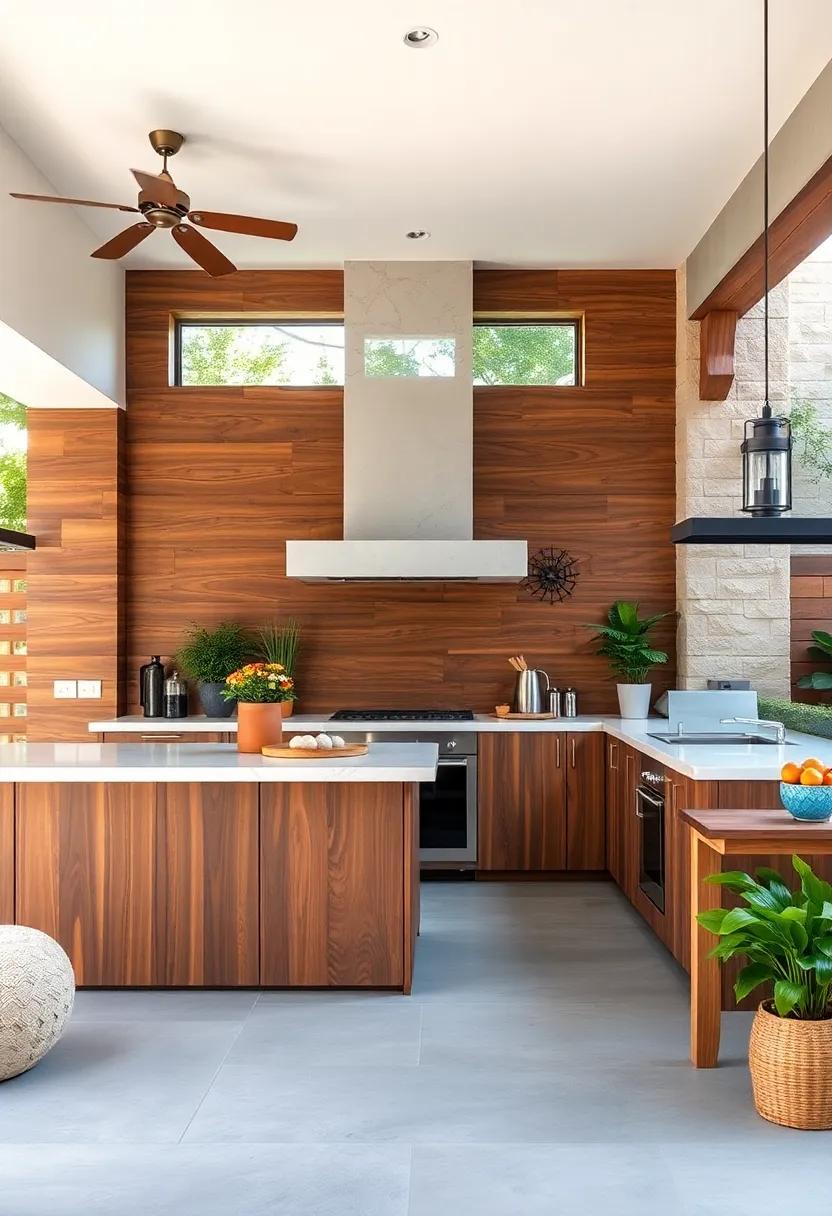
Parota wood stands out as a premier choice for outdoor kitchens, boasting intricate, swirling patterns that can elevate the visual appeal of any culinary space. This stunning hardwood showcases beautiful tones ranging from light honey to deep amber,making it adaptable to various design themes—from rustic charm to modern elegance. Its captivating colors and textures create a unique ambiance that draws people in, turning every meal preparation into a stylish event.
Aside from its aesthetic allure,parota is known for its remarkable durability,able to withstand the elements while maintaining its structural integrity. With a natural resistance to moisture, it resists warping and cracking, ensuring that it remains a long-lasting feature in your outdoor kitchen. Some of the benefits include:
- Environmentally friendly: Sourced from sustainable forests.
- Easy maintenance: requires minimal care to keep it looking stunning.
- Versatile applications: Suitable for countertops, cabinetry, and more.
Mesquite - Its dense nature makes mesquite highly durable, and its unique grain pattern adds character to outdoor cooking spaces
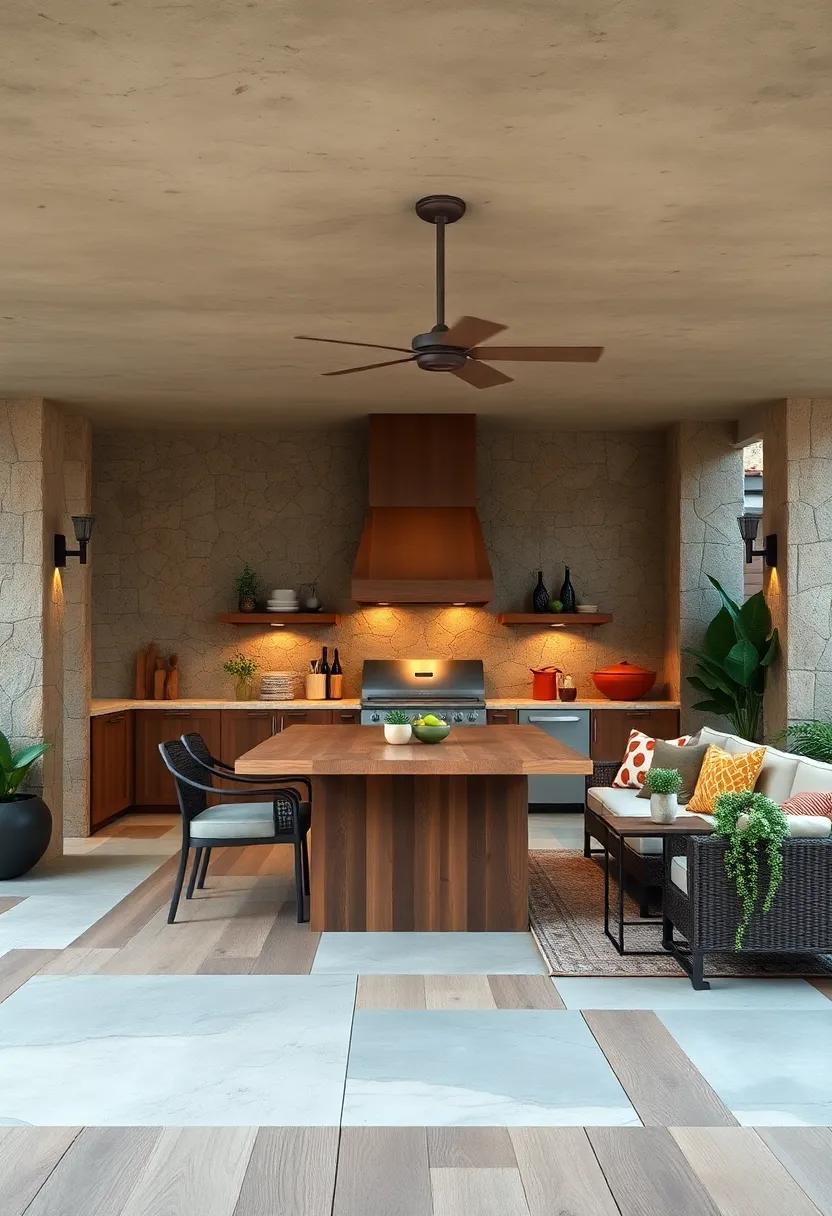
When it comes to creating an outdoor kitchen that stands out, mesquite wood is an exceptional choice. Its dense nature provides remarkable durability,ensuring that your cooking space can withstand the elements,be it harsh sun or unexpected rain. This characteristic also translates into less frequent maintenance, allowing you to spend more time enjoying your outdoor space rather than worrying about wear and tear. Mesquite’s natural resistance to decay and insects gives it an edge over other woods, making it ideal for those who want longevity combined with style.
Beyond its functional benefits, mesquite’s unique grain pattern adds a touch of elegance and character to any outdoor culinary setup. each plank tells its own story through distinctive swirls and knots, creating a vibrant tapestry that enhances aesthetic appeal. Not only does this wood offer a rich, warm hue that complements outdoor environments beautifully, but it’s also perfect for absorbing heat evenly during cooking. Perhaps the best part is that mesquite’s scent enhances the flavour of grilled foods, making not just a visually distinct space, but also a delightful sensory experience.
Teak – Whether applied to cabinetry or furniture,teak is a classic choice that combines tradition with unrivaled weather resistance
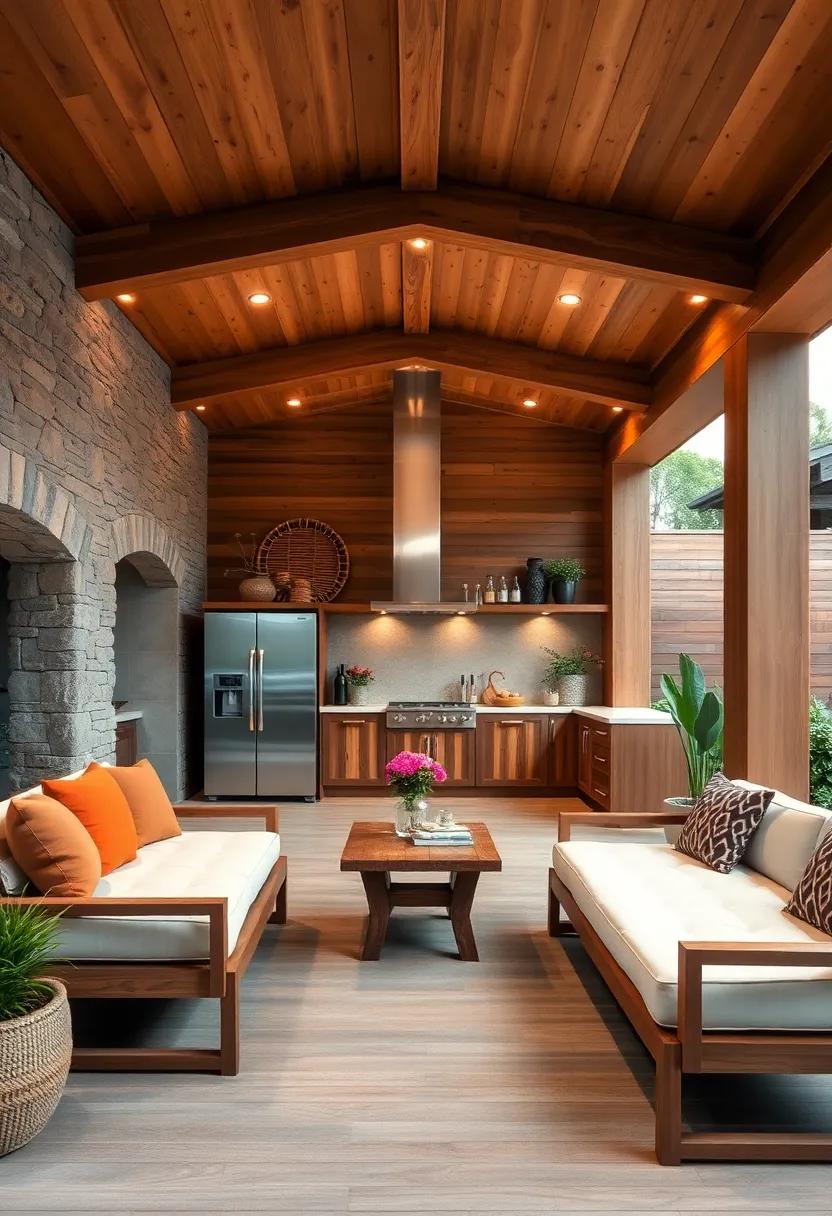
Known for its stunning golden-brown hue that matures into a rich, silvery patina over time, teak is more than just a visually appealing material; it boasts excellent durability and remarkable resistance to the elements. This hardwood is infused with natural oils that help it thrive in outdoor environments, making it an ideal choice for outdoor kitchen cabinetry and furniture. With its robust nature,teak is resistant to warping,cracking,and insect damage,ensuring that your outdoor culinary space remains stylish and functional for years to come.
When incorporating teak into your outdoor kitchen design, consider the following advantages:
- Weather Resistance: Teak withstands moisture, heat, and extreme conditions seamlessly.
- Low Maintenance: Minimal upkeep is required; occasional oiling can enhance its appearance.
- Aging Gracefully: Over time, teak develops a unique, attractive patina; no need for stains or paints.
- Natural Beauty: Its warm tones and intricate grain patterns elevate any outdoor aesthetic.
| Feature | Benefit |
|---|---|
| Water Resistance | Prevents mold and mildew growth |
| Durability | long lifespan with proper care |
| Eco-Friendly | Sustainably sourced options available |
Fir – Cost-effective and versatile, fir can be treated for outdoor use and styled to fit any culinary theme, from rustic to modern
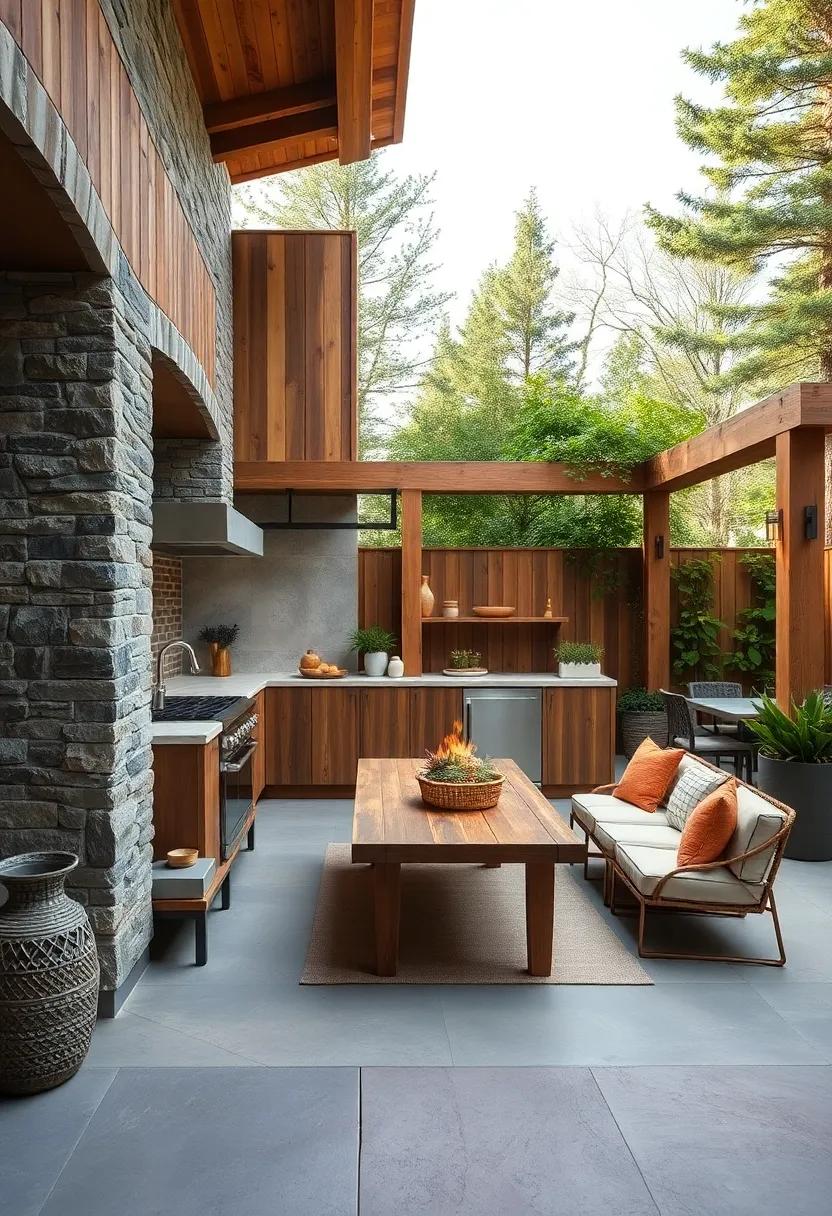
When it comes to creating an outdoor kitchen that balances style and functionality, fir wood stands out as a cost-effective and reliable option. Known for its durability and versatility, fir can easily be treated to withstand the elements, making it ideal for everything from countertops to cabinetry. With its attractive grain patterns and warm hues, fir integrates seamlessly into various design themes, whether you’re aiming for a cozy rustic vibe or a sleek modern aesthetic. The adaptability of fir allows homeowners to curate striking culinary spaces that reflect their personal style while enjoying the robust benefits of a durable wood.
Fir’s natural resilience against wear and tear, combined with its ability to take on stains and finishes, makes it perfect for outdoor kitchen applications. Its ready availability and low cost mean that you can invest more in other features of your kitchen without compromising on the quality of your woodwork.Some key characteristics that make fir an excellent choice include:
- Affordability: Fir wood is generally less expensive than many hardwoods,making it budget-friendly.
- Workability: It cuts, shapes, and finishes nicely, allowing for easy customization.
- Eco-Friendly: Fir is often sustainably harvested, making it a greener choice for conscious consumers.
| Feature | Description |
|---|---|
| Durability | Resistant to rot and decay when treated properly. |
| Versatility | Suits various design styles from rustic charm to sleek modern. |
| Maintenance | Easy to clean and requires minimal upkeep. |
Maple – Known for its smooth finish, maple is a dependable choice for surfaces that might be exposed to high heat or moisture in outdoor kitchens
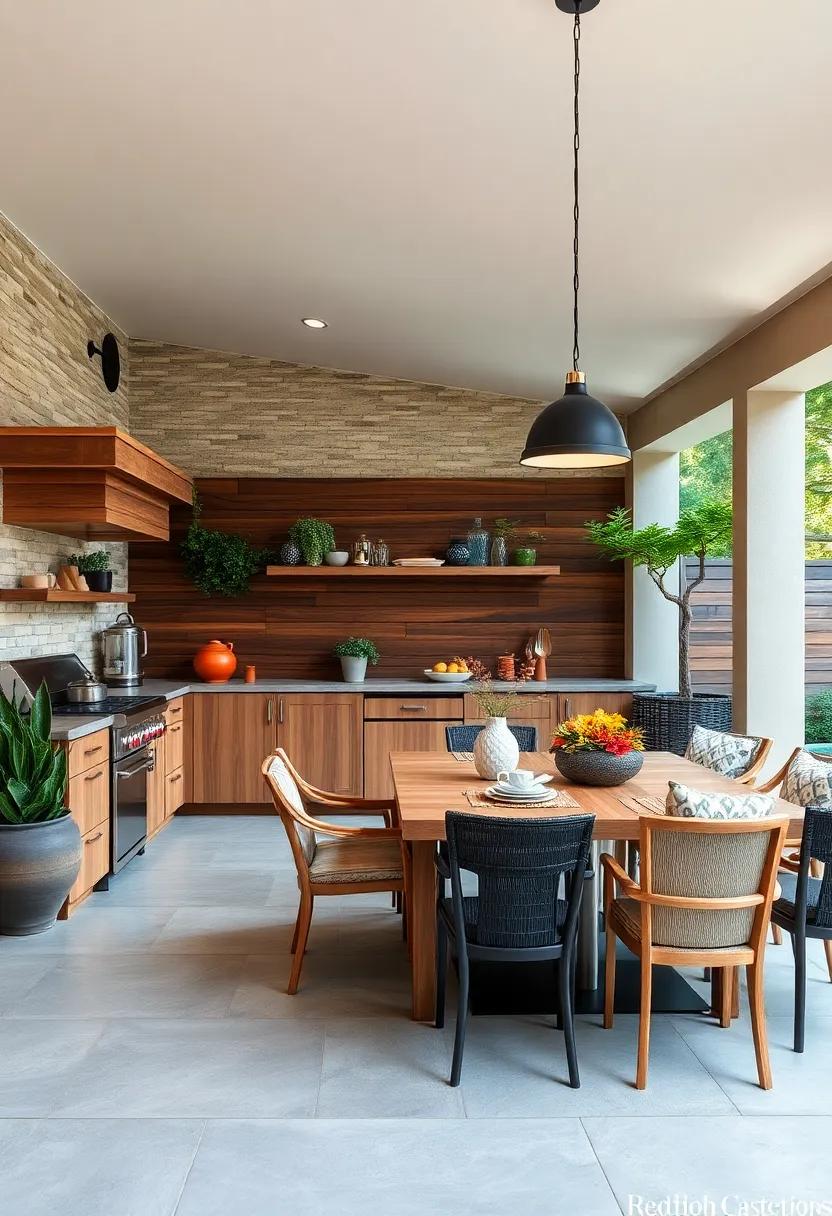
When it comes to outdoor kitchens, few woods are as resilient and aesthetically pleasing as maple. Its smooth finish not only elevates the visual appeal of any culinary space but also provides a protective barrier against the elements. Maple is naturally durable,making it a suitable option for countertops,tables,and cabinets that may frequently encounter heat,moisture,or spills. Whether you’re crafting a rustic outdoor barbecue or a sleek modern kitchen, the versatility of maple allows it to blend seamlessly with various design themes.
Choosing maple for your outdoor culinary setting comes with several advantages. Here are a few reasons to consider:
- Heat Resistance: maple withstands high temperatures,perfect for hot pots and grilling equipment.
- Moisture Management: Its tight grain structure helps resist moisture absorption, reducing warping.
- Easy Maintenance: Simple cleaning and periodic oiling keep maple looking its best.
- Natural Elegance: The warm tones and unique grain patterns add a touch of beauty to any space.
Lyptus - This hybrid hardwood is both sustainable and visually stunning, making it a smart choice for those looking to balance style with eco-friendliness
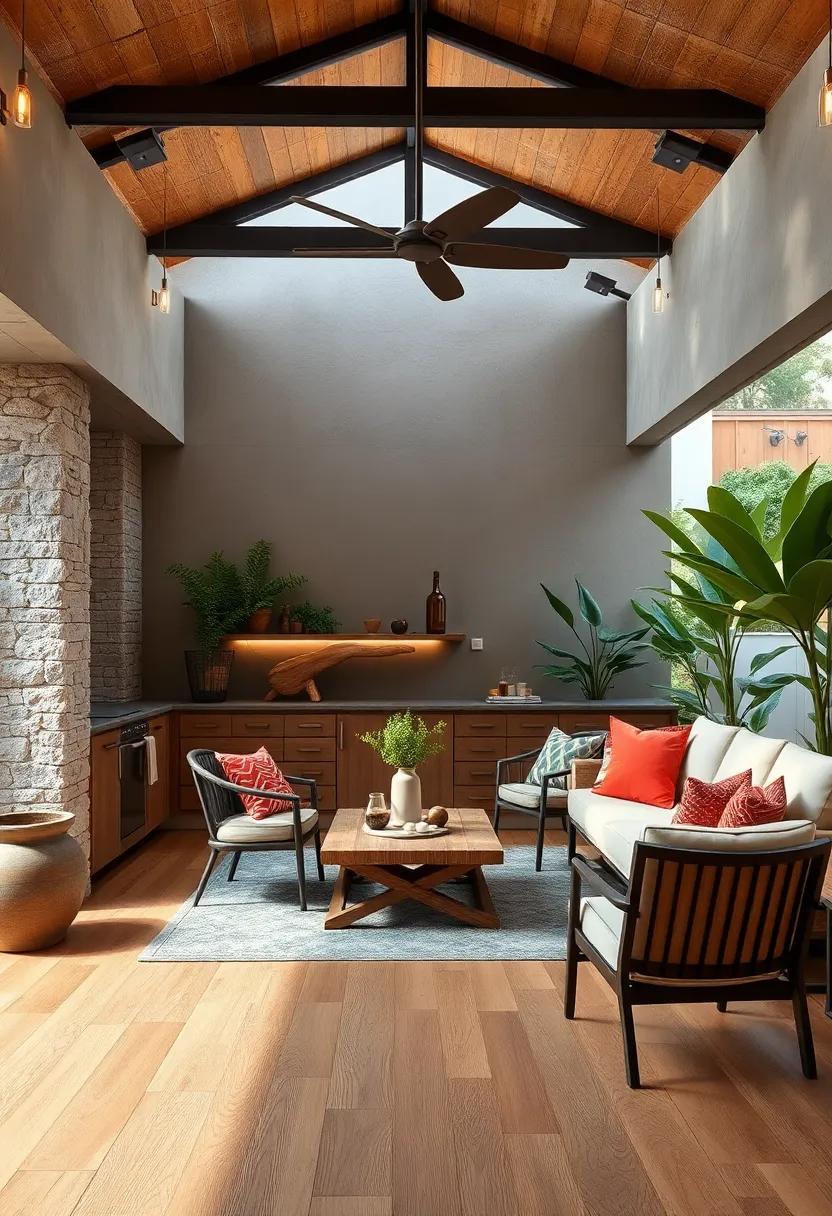
Lyptus is a stunning hybrid hardwood that combines the best features of two beautifully rich hardwoods—eucalyptus and cherry. This exotic material not only brings a unique visual appeal to your outdoor kitchen but also does so sustainably, making it a remarkable choice for environmentally conscious homeowners. Its warm, reddish-brown tones and intricate grain patterns can elevate the aesthetic of any culinary space, blending effortlessly with both modern and traditional designs. Whether you’re constructing countertops or cabinetry, Lyptus offers a captivating backdrop that enhances your culinary experience.
Moreover, Lyptus is harvested from fast-growing plantations that ensure a minimal environmental footprint, thus lending itself to eco-friendly construction without sacrificing quality. The durability of this hardwood is impressive, boasting resistance to warping and pests, allowing your outdoor kitchen to withstand the elements while maintaining its enchanting beauty. Here’s a quick comparison to show why Lyptus stands out:
| Feature | Lyptus | Other Woods |
|---|---|---|
| Environmental Impact | Low (sustainable plantations) | Varies (usually more resource-intensive) |
| Visual Appeal | Rich color & intricate grain | Dependent on species |
| Durability | Highly durable & pest-resistant | Varies greatly |
| Maintenance | Easy to maintain | Often requires more upkeep |
The Way Forward
As we wrap up our exploration of the 27 essential outdoor kitchen woods, it’s clear that the right choice can transform your culinary space into a stylish and functional oasis. From the timeless elegance of teak to the rustic charm of cedar, each wood brings its own unique character and benefits to your outdoor cooking experience.
Remember, the key to a durable outdoor kitchen lies not only in selecting the perfect wood but also in understanding how to care for it. With proper maintenance and protection, these materials can withstand the test of time while enhancing the beauty of your alfresco dining area.
So, whether you’re grilling up a feast for friends or enjoying a quiet evening under the stars, let your outdoor kitchen be a reflection of your personal style and flair for culinary adventure.Choose wisely, and savor every moment spent in your outdoor haven. Happy cooking!
As an Amazon Associate I earn from qualifying purchases.